Brain and spinal cordParietal lobe
Superior parietal lobule
Lobulus parietalis superior
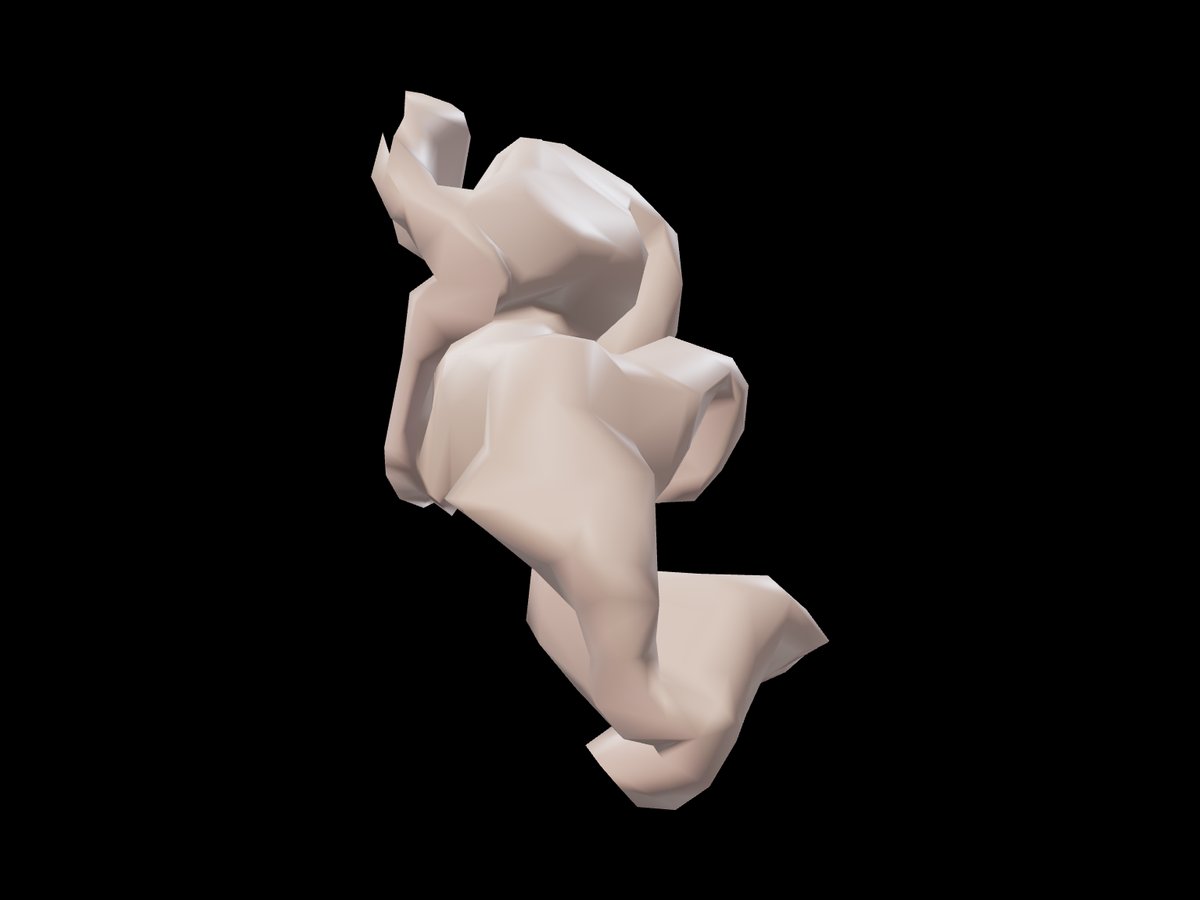
The superior parietal lobule is the upper part of the parietal lobe behind the sensory strip. It combines touch, body position and vision to guide reaching and grasping.
Other names: Lobulus parietalis superior (Latin) · Lobule pariétal supérieur (French) · Lóbulo parietal superior (Spanish, Portuguese)
Key facts
- Type
- Lobule of the parietal lobe
- Arterial supply
- Middle cerebral artery (posterior parietal branch) and anterior cerebral artery
- Function
- Body awareness, spatial attention and visually guided movement.
Location and relations
Above the intraparietal sulcus, between the postcentral sulcus and the parieto-occipital region.
Clinical notes
- Damage can cause misreaching for objects under visual guidance (optic ataxia); damage on both sides contributes to Bálint syndrome
Quick answers
Where is the superior parietal lobule located?
Above the intraparietal sulcus, between the postcentral sulcus and the parieto-occipital region.
What does the superior parietal lobule do?
Body awareness, spatial attention and visually guided movement.
What is the blood supply of the superior parietal lobule?
Middle cerebral artery (posterior parietal branch) and anterior cerebral artery
Notes written for anatmy3d and checked against Gray’s Anatomy, Moore’s Clinically Oriented Anatomy and Netter. Last reviewed .