ArteriesCerebral arterial circle
Posterior communicating artery
Arteria communicans posterior
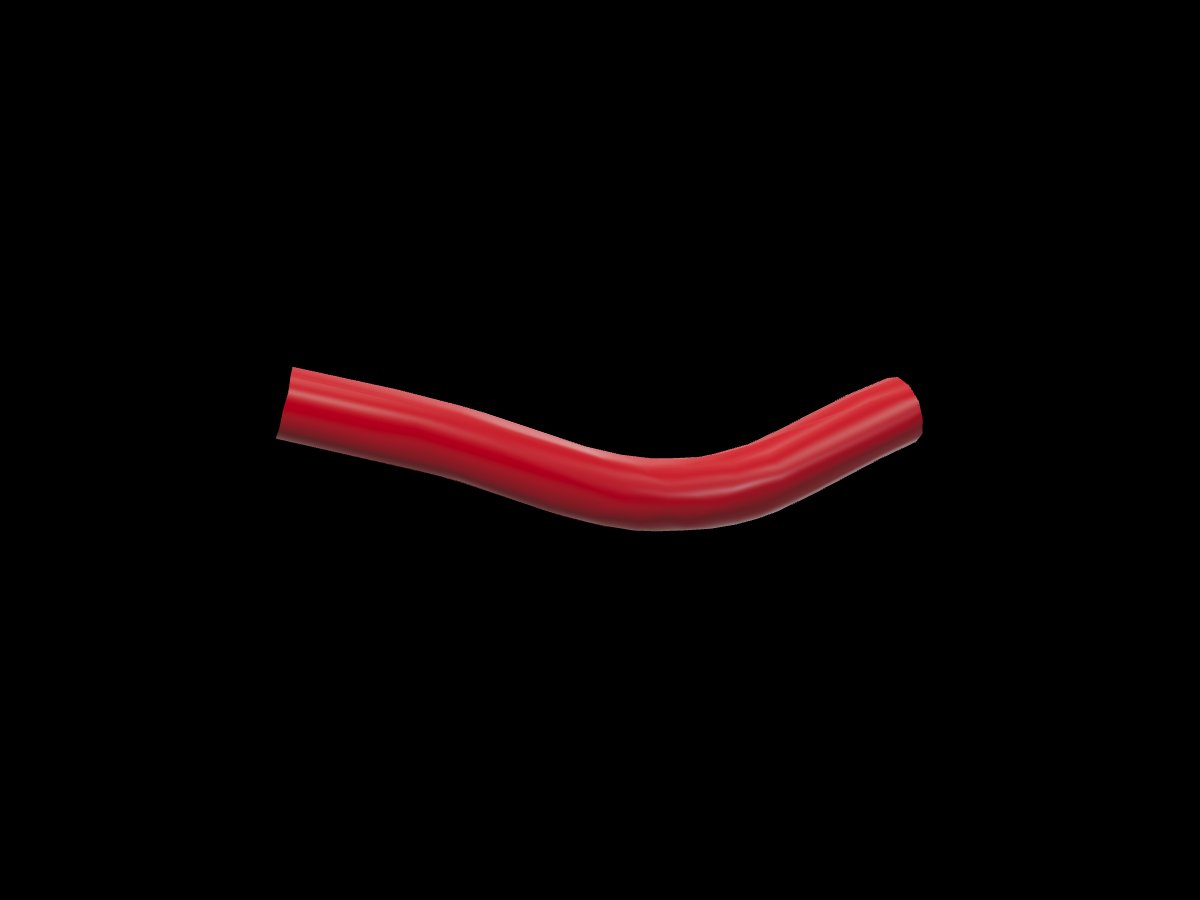
The posterior communicating artery links the internal carotid artery to the posterior cerebral artery, joining the front and back circulations in the circle of Willis.
Other names: Arteria communicans posterior (Latin) · Artère communiquante postérieure (French) · Arteria comunicante posterior (Spanish) · Artéria comunicante posterior (Portuguese)
Key facts
- Type
- Communicating artery of the cerebral arterial circle
- Supplies
- Through its perforators, parts of the thalamus, hypothalamus and internal capsule; it also allows flow between carotid and basilar systems
- Branches
- Small perforating branches to the thalamus, hypothalamus and internal capsule
- Course
- Runs back from the internal carotid, above the oculomotor nerve, to join the posterior cerebral artery.
- Function
- Links the internal carotid and posterior cerebral arteries in the circle of Willis, so either the carotid or the basilar system can make up the other's flow; its perforators feed the thalamus and hypothalamus.
Clinical notes
- An aneurysm where it leaves the internal carotid can press on the oculomotor nerve, causing a drooping eyelid, double vision and a dilated pupil, an emergency warning sign of possible rupture
Quick answers
What is the course of the posterior communicating artery?
Runs back from the internal carotid, above the oculomotor nerve, to join the posterior cerebral artery.
What are the branches of the posterior communicating artery?
Small perforating branches to the thalamus, hypothalamus and internal capsule
What does the posterior communicating artery supply?
Through its perforators, parts of the thalamus, hypothalamus and internal capsule; it also allows flow between carotid and basilar systems
Notes written for anatmy3d and checked against Gray’s Anatomy, Moore’s Clinically Oriented Anatomy and Netter. Last reviewed .