Brain and spinal cordInterlobar sulci
Posterior ramus of lateral sulcus
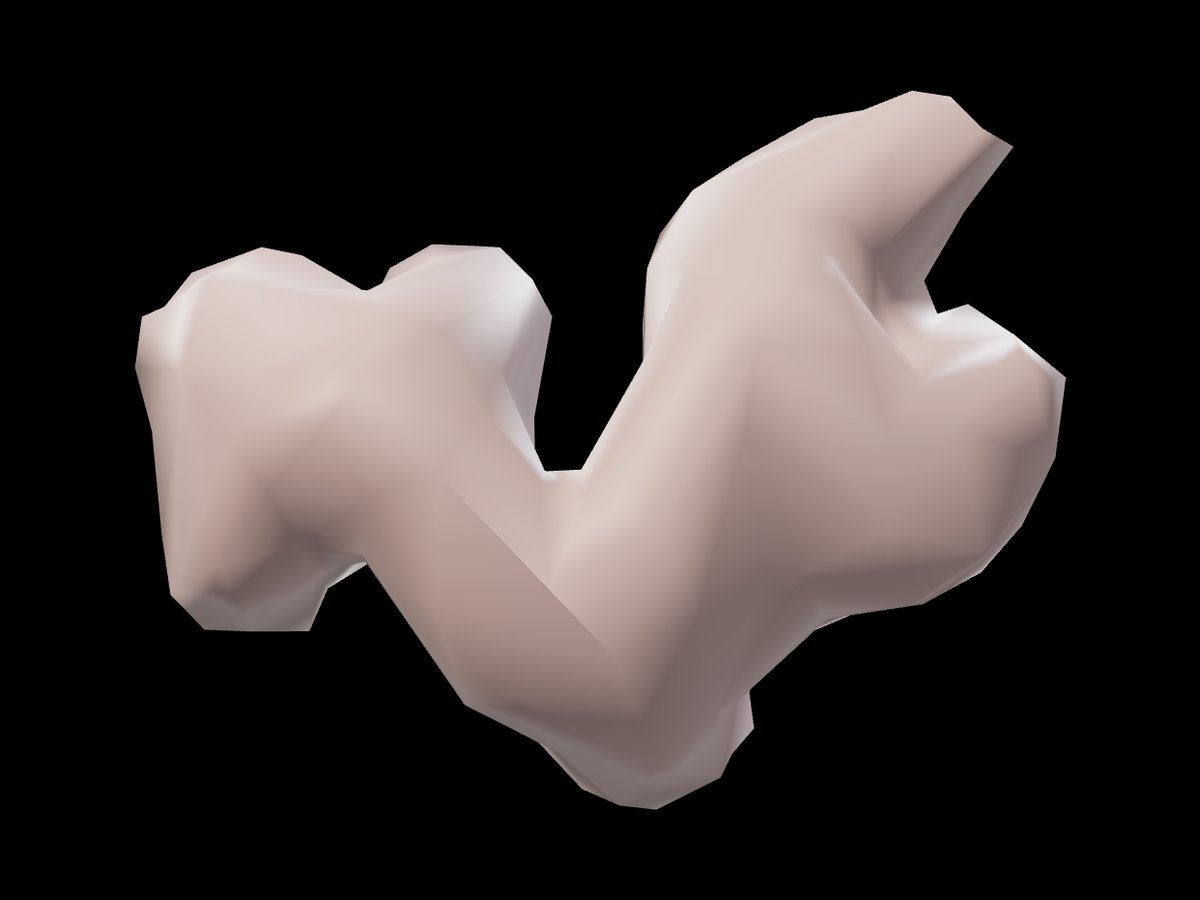
This is the posterior ramus of the lateral (Sylvian) sulcus, the long main groove separating the temporal lobe below from the frontal and parietal lobes above.
Key facts
- Type
- Main stem of the lateral sulcus
- Function
- Separates the temporal lobe from the frontal and parietal lobes; carries the branches of the middle cerebral artery.
Location and relations
Runs back and slightly up along the side of the hemisphere and ends by turning up into the supramarginal gyrus; the insula lies hidden in its depths.
Clinical notes
- Opening the Sylvian fissure is a standard route in brain surgery to reach the insula and aneurysms of the circle of Willis
- In most right-handed people it is longer and flatter on the left, reflecting the larger language area
Quick answers
Where is the posterior ramus of lateral sulcus located?
Runs back and slightly up along the side of the hemisphere and ends by turning up into the supramarginal gyrus; the insula lies hidden in its depths.
What does the posterior ramus of lateral sulcus do?
Separates the temporal lobe from the frontal and parietal lobes; carries the branches of the middle cerebral artery.
Notes written for anatmy3d and checked against Gray’s Anatomy, Moore’s Clinically Oriented Anatomy and Netter. Last reviewed .