Brain and spinal cordFrontal lobe
Superior frontal gyrus
Gyrus frontalis superior
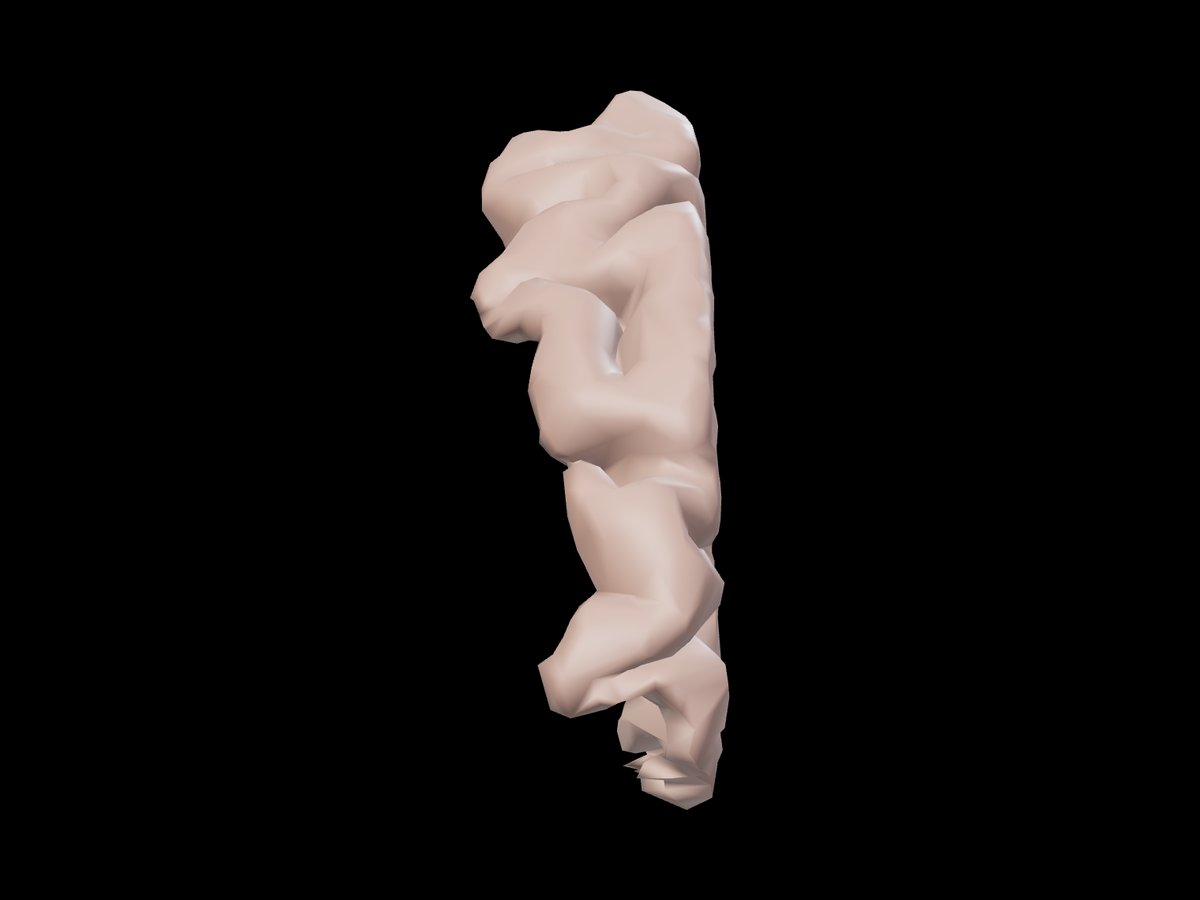
The superior frontal gyrus is the uppermost ridge of the frontal lobe, running from front to back beside the midline. Its back part includes the supplementary motor area, which helps plan and start movements.
Other names: Gyrus frontalis superior (Latin) · Gyrus frontal supérieur (French) · Giro frontal superior (Spanish, Portuguese)
Key facts
- Type
- Gyrus of the frontal lobe
- Arterial supply
- Anterior cerebral artery (medial and top parts); middle cerebral artery branches (outer edge)
- Function
- Higher thinking (working memory, self-awareness, attention) in its front part; planning and starting movement and speech in its back part (supplementary motor area).
Location and relations
Top of the frontal lobe, between the longitudinal fissure and the superior frontal sulcus; it continues onto the medial surface of the hemisphere.
Clinical notes
- Removing or damaging the supplementary motor area can cause temporary weakness and reduced speech on the opposite side, which usually recovers (SMA syndrome)
Quick answers
Where is the superior frontal gyrus located?
Top of the frontal lobe, between the longitudinal fissure and the superior frontal sulcus; it continues onto the medial surface of the hemisphere.
What does the superior frontal gyrus do?
Higher thinking (working memory, self-awareness, attention) in its front part; planning and starting movement and speech in its back part (supplementary motor area).
What is the blood supply of the superior frontal gyrus?
Anterior cerebral artery (medial and top parts); middle cerebral artery branches (outer edge)
Notes written for anatmy3d and checked against Gray’s Anatomy, Moore’s Clinically Oriented Anatomy and Netter. Last reviewed .