Pubococcygeus muscle
Musculus pubococcygeus
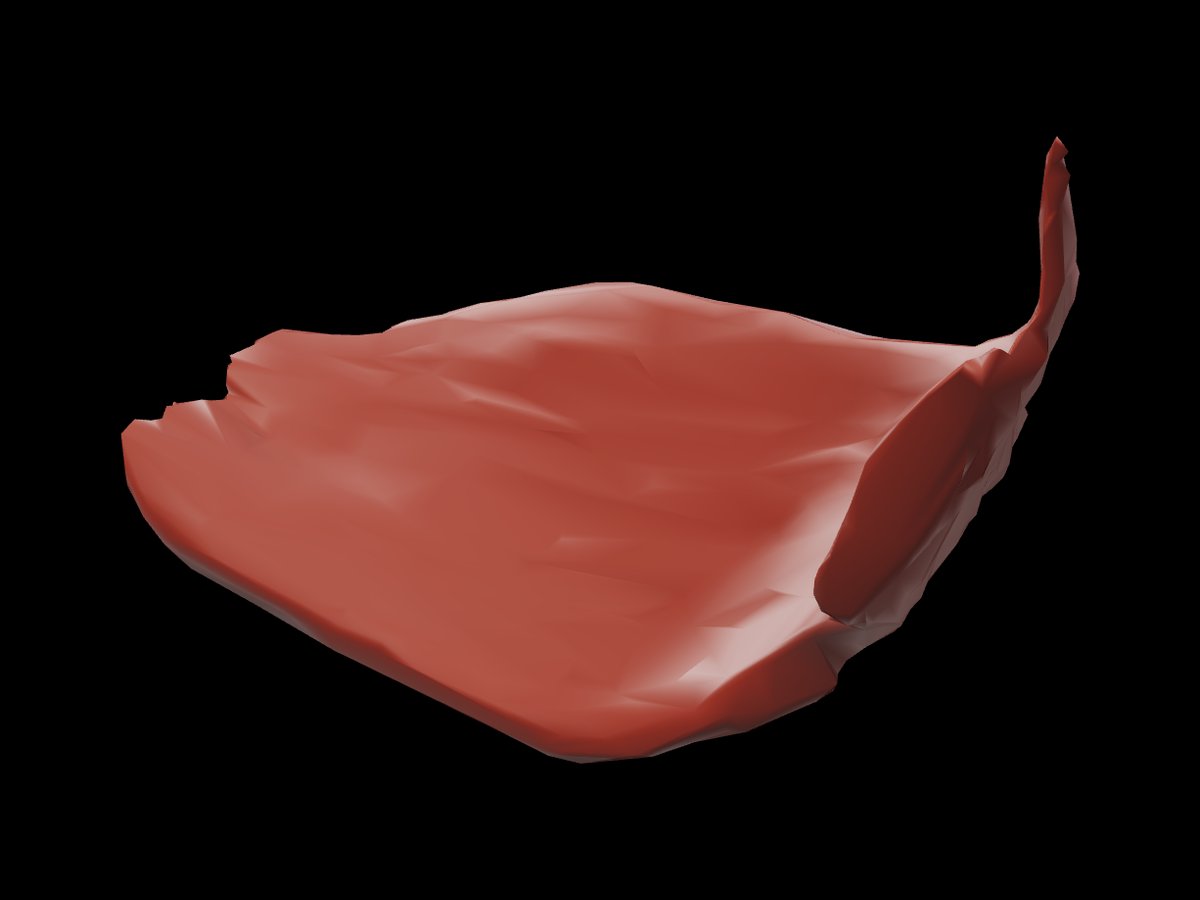
Pubococcygeus is the main central part of the levator ani, running from the back of the pubis to the coccyx and anococcygeal ligament. It supports the pelvic organs and helps control the bladder and bowel.
Other names: Musculus pubococcygeus (Latin) · Muscle pubococcygien (French) · Músculo pubococcígeo (Spanish, Portuguese)
Key facts
- Origin
- Body of the pubis and anterior part of the tendinous arch of levator ani
- Insertion
- Coccyx and anococcygeal body
- Action
- Supports the pelvic viscera; resists rises in intra-abdominal pressure
- Nerve supply
- Nerve to levator ani (S4); pudendal nerve (S2–S4)
- Arterial supply
- Inferior gluteal, internal pudendal and inferior vesical arteries
- Function
- Supports the pelvic organs, raises the pelvic floor and helps close the urethra, vagina and anal canal.
Location and relations
Pelvic floor, between puborectalis and iliococcygeus; it surrounds the urogenital and anal openings.
Clinical notes
- Stretched or torn in vaginal childbirth, contributing to stress incontinence and prolapse
- Strengthened by pelvic floor (Kegel) exercises
Quick answers
What are the origin and insertion of the pubococcygeus muscle?
Origin: Body of the pubis and anterior part of the tendinous arch of levator ani. Insertion: Coccyx and anococcygeal body.
What does the pubococcygeus muscle do?
Supports the pelvic viscera; resists rises in intra-abdominal pressure
What is the nerve supply of the pubococcygeus muscle?
Nerve to levator ani (S4); pudendal nerve (S2–S4)
What is the blood supply of the pubococcygeus muscle?
Inferior gluteal, internal pudendal and inferior vesical arteries
Where is the pubococcygeus muscle located?
Pelvic floor, between puborectalis and iliococcygeus; it surrounds the urogenital and anal openings.
Notes written for anatmy3d and checked against Gray’s Anatomy, Moore’s Clinically Oriented Anatomy and Netter. Last reviewed .