Sciatic nerve
Nervus ischiadicus
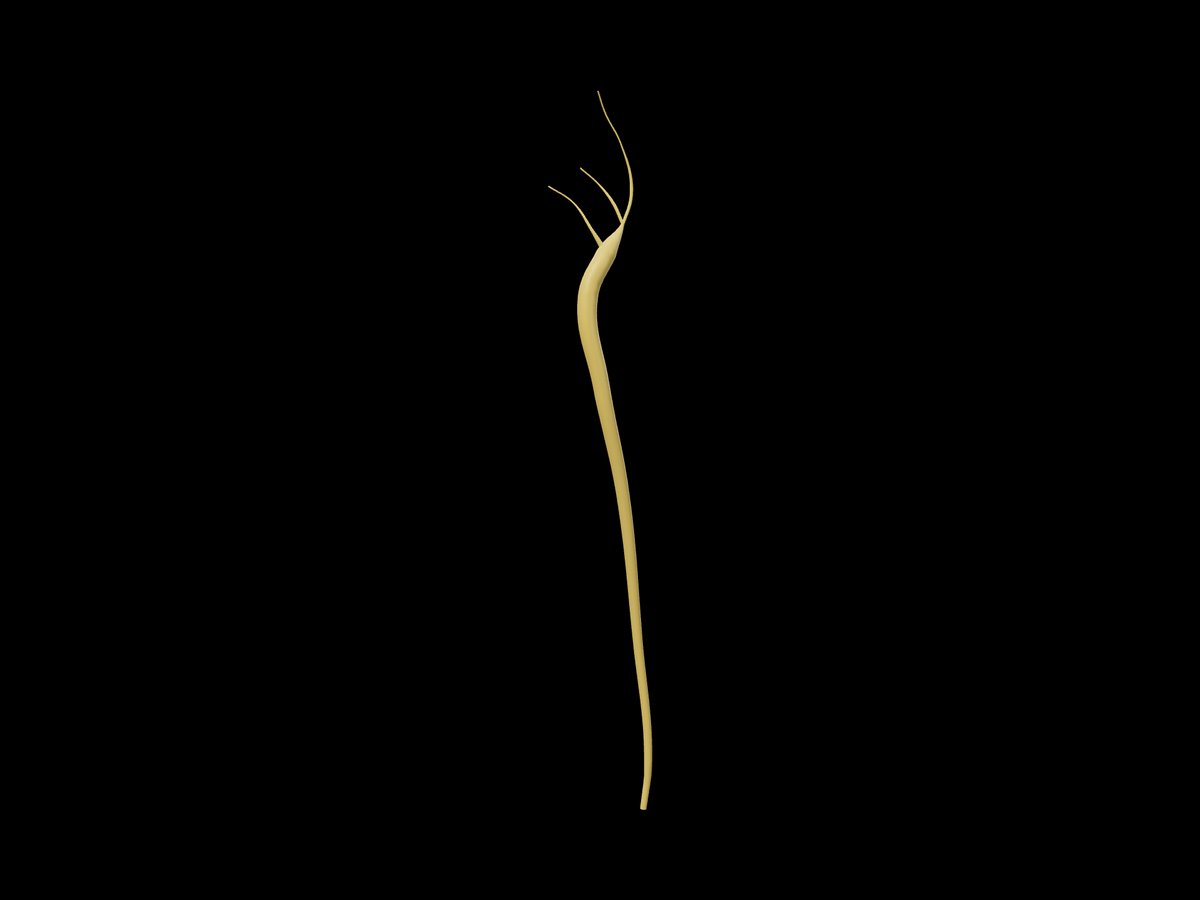
The sciatic nerve is the thickest and longest nerve in the body. It supplies the hamstrings and all the muscles below the knee, and the skin of most of the leg and foot.
Other names: Nervus ischiadicus (Latin) · Nerf sciatique (French) · Nervio ciático (Spanish) · Nervo ciático (Portuguese)
Key facts
- Type
- Branch of the sacral plexus (L4–S3)
- Branches
- Branches to the hamstrings and adductor magnus; tibial and common fibular nerves
- Course
- Leaves the pelvis through the greater sciatic foramen below piriformis, descends between the greater trochanter and ischial tuberosity under gluteus maximus, runs down the back of the thigh beneath the hamstrings and divides (usually above the knee) into the tibial and common fibular nerves.
- Function
- Knee flexion and all movements of the ankle and foot; sensation of the leg below the knee except the inner side.
Clinical notes
- "Sciatica" usually means irritation of the L5 or S1 roots that form it, often by a disc
- Injections should be given in the upper outer buttock to avoid it
- Posterior hip dislocation and hip surgery can injure it, often affecting the fibular part most
Quick answers
What is the course of the sciatic nerve?
Leaves the pelvis through the greater sciatic foramen below piriformis, descends between the greater trochanter and ischial tuberosity under gluteus maximus, runs down the back of the thigh beneath the hamstrings and divides (usually above the knee) into the tibial and common fibular nerves.
What does the sciatic nerve do?
Knee flexion and all movements of the ankle and foot; sensation of the leg below the knee except the inner side.
What are the branches of the sciatic nerve?
Branches to the hamstrings and adductor magnus; tibial and common fibular nerves
Notes written for anatmy3d and checked against Gray’s Anatomy, Moore’s Clinically Oriented Anatomy and Netter. Last reviewed .