VeinsSystemic veins
Retromandibular vein
Vena retromandibularis
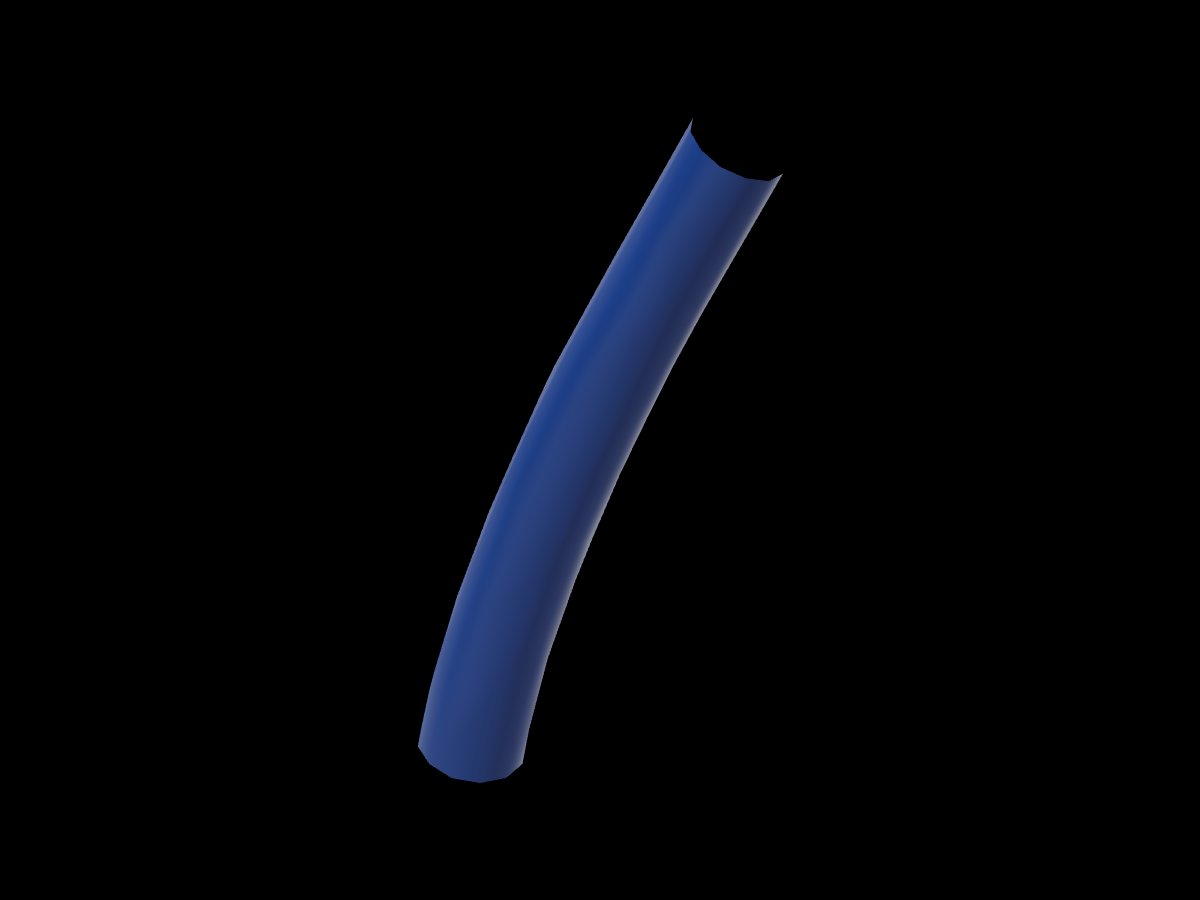
The retromandibular vein forms within the parotid gland behind the ramus of the mandible and divides into anterior and posterior branches.
Other names: Vena retromandibularis (Latin) · Veine rétromandibulaire (French) · Vena retromandibular (Spanish) · Veia retromandibular (Portuguese)
Key facts
- Type
- Vein
- Drains
- Scalp of the temple, side of the face, parotid gland and deep face
- Tributaries
- Superficial temporal and maxillary veins, transverse facial vein
- Course
- Formed by the superficial temporal and maxillary veins behind the neck of the mandible, it descends through the parotid gland superficial to the external carotid artery and deep to the facial nerve, dividing near the angle of the jaw.
- Function
- Collects blood from the temple, side of the face, parotid and deep face through its superficial temporal and maxillary roots, then divides to drain into both the internal and external jugular systems.
Clinical notes
- A key landmark in parotid surgery because the facial nerve branches lie just superficial to it
Quick answers
What is the course of the retromandibular vein?
Formed by the superficial temporal and maxillary veins behind the neck of the mandible, it descends through the parotid gland superficial to the external carotid artery and deep to the facial nerve, dividing near the angle of the jaw.
What are the tributaries of the retromandibular vein?
Superficial temporal and maxillary veins, transverse facial vein
What does the retromandibular vein drain?
Scalp of the temple, side of the face, parotid gland and deep face
Notes written for anatmy3d and checked against Gray’s Anatomy, Moore’s Clinically Oriented Anatomy and Netter. Last reviewed .