VeinsSystemic veins
Right brachiocephalic vein
Vena brachiocephalica dextra
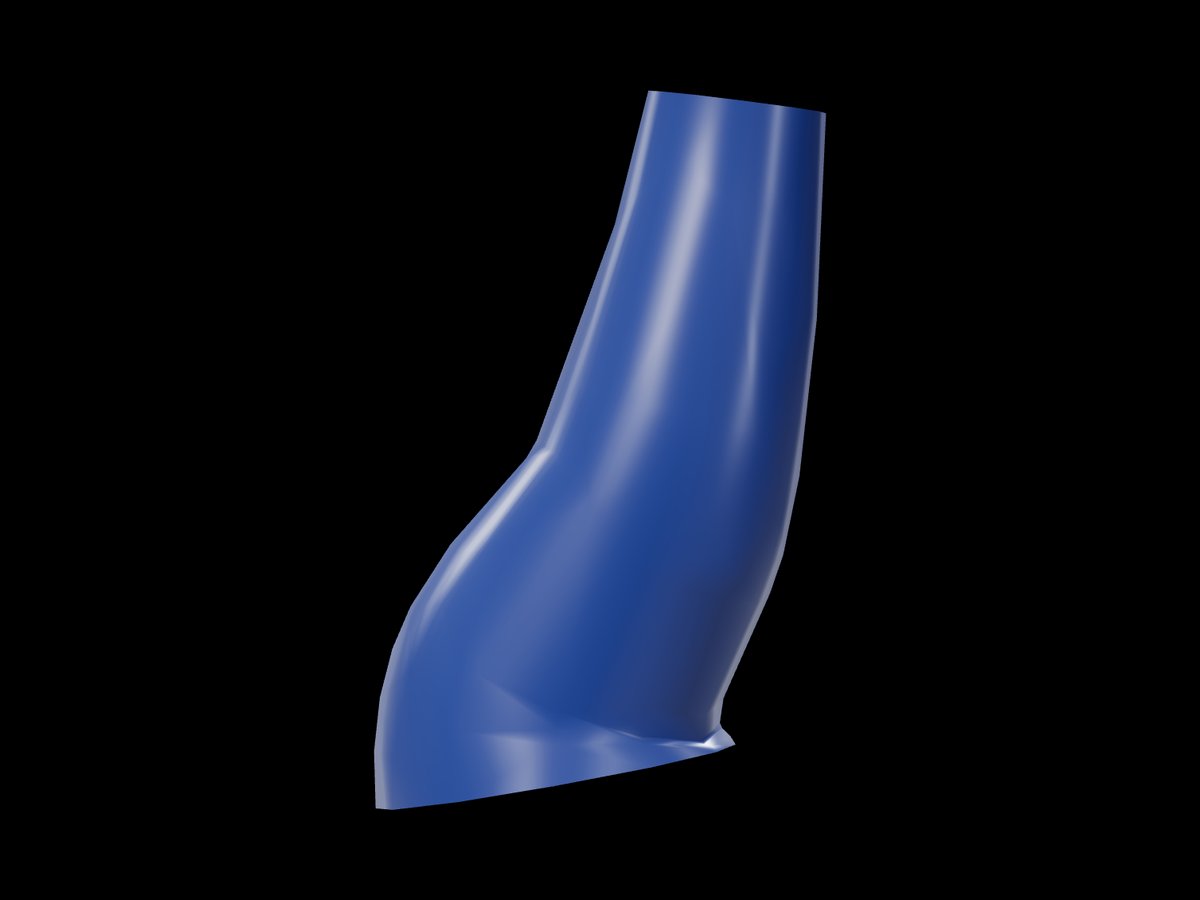
The right brachiocephalic vein is a short vein formed behind the right sternoclavicular joint. It runs almost straight down to join the left vein and form the superior vena cava.
Other names: Vena brachiocephalica dextra (Latin) · Veine brachiocéphalique droite (French) · Vena braquiocefálica derecha (Spanish) · Veia braquiocefálica direita (Portuguese)
Key facts
- Type
- Great vein
- Drains
- Right side of the head, neck and upper limb and the right upper chest wall
- Tributaries
- Right internal jugular, right subclavian, right vertebral, right internal thoracic and inferior thyroid veins; the right lymphatic duct ends near its origin
- Course
- Formed behind the medial end of the right clavicle by the union of the right internal jugular and right subclavian veins; descends about 2–3 cm to join the left brachiocephalic vein.
- Function
- Collects blood from the right internal jugular and subclavian veins, and so from the right side of the head, neck and arm, running almost straight down to form the superior vena cava.
Clinical notes
- Its straight path makes the right internal jugular vein the preferred route for central lines and pacemaker leads
Quick answers
What is the course of the right brachiocephalic vein?
Formed behind the medial end of the right clavicle by the union of the right internal jugular and right subclavian veins; descends about 2–3 cm to join the left brachiocephalic vein.
What are the tributaries of the right brachiocephalic vein?
Right internal jugular, right subclavian, right vertebral, right internal thoracic and inferior thyroid veins; the right lymphatic duct ends near its origin
What does the right brachiocephalic vein drain?
Right side of the head, neck and upper limb and the right upper chest wall
Notes written for anatmy3d and checked against Gray’s Anatomy, Moore’s Clinically Oriented Anatomy and Netter. Last reviewed .