Scalenus posterior muscle
Musculus scalenus posterior
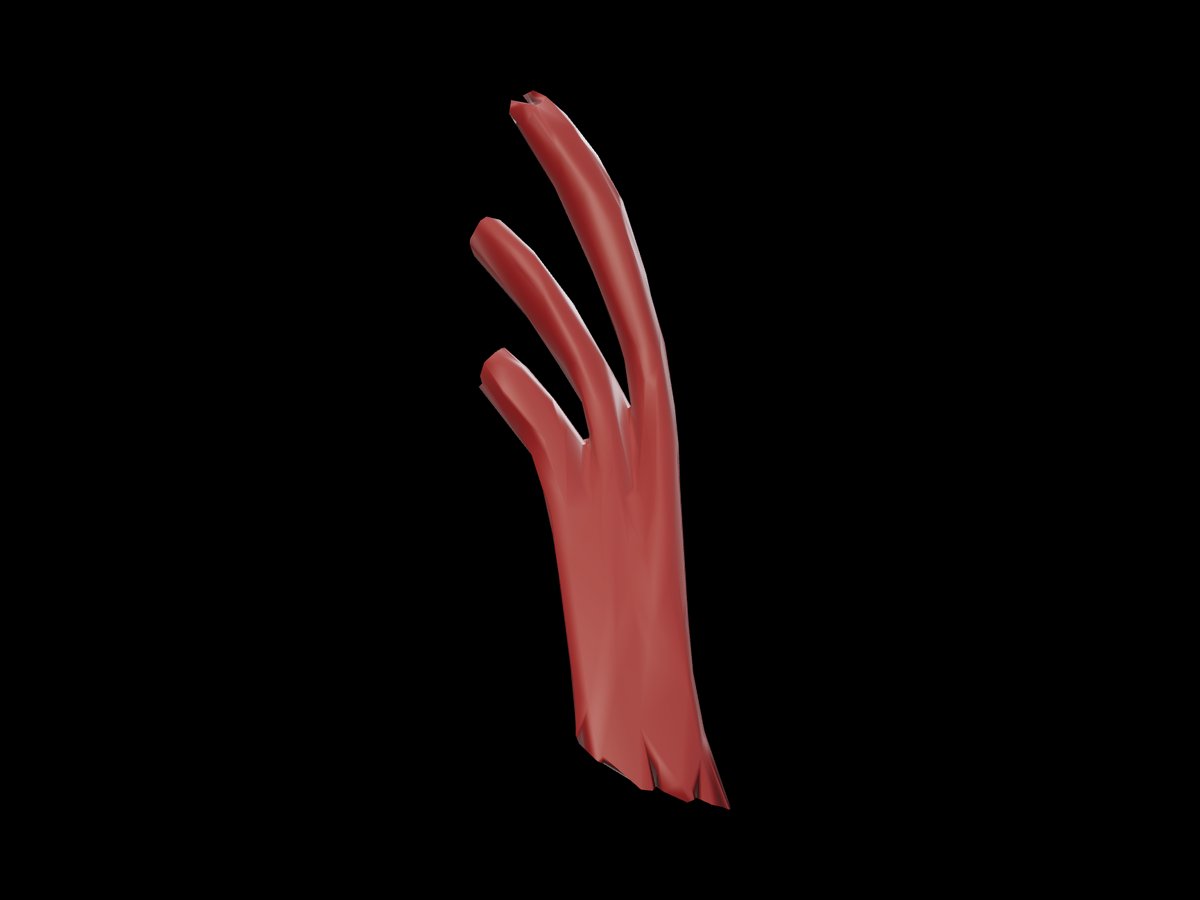
Scalenus posterior is the smallest and deepest scalene, running from the lower cervical transverse processes to the outer surface of the second rib.
Other names: Musculus scalenus posterior (Latin) · Muscle scalène postérieur (French) · Músculo escaleno posterior (Spanish, Portuguese)
Key facts
- Origin
- Posterior tubercles of the transverse processes of C4–C6
- Insertion
- Outer border of the 2nd rib
- Action
- Elevates the 2nd rib; laterally flexes the neck
- Nerve supply
- Anterior rami of C6–C8
- Arterial supply
- Ascending and superficial cervical arteries
- Function
- Raises the second rib and bends the neck to the same side.
Location and relations
Behind scalenus medius at the root of the neck.
Clinical notes
- Like the other scalenes, it is active in laboured breathing (for example in COPD)
Quick answers
What are the origin and insertion of the scalenus posterior muscle?
Origin: Posterior tubercles of the transverse processes of C4–C6. Insertion: Outer border of the 2nd rib.
What does the scalenus posterior muscle do?
Elevates the 2nd rib; laterally flexes the neck
What is the nerve supply of the scalenus posterior muscle?
Anterior rami of C6–C8
What is the blood supply of the scalenus posterior muscle?
Ascending and superficial cervical arteries
Where is the scalenus posterior muscle located?
Behind scalenus medius at the root of the neck.
Notes written for anatmy3d and checked against Gray’s Anatomy, Moore’s Clinically Oriented Anatomy and Netter. Last reviewed .