Posterior crico-arytenoid muscle
Musculus cricoarytenoideus posterior
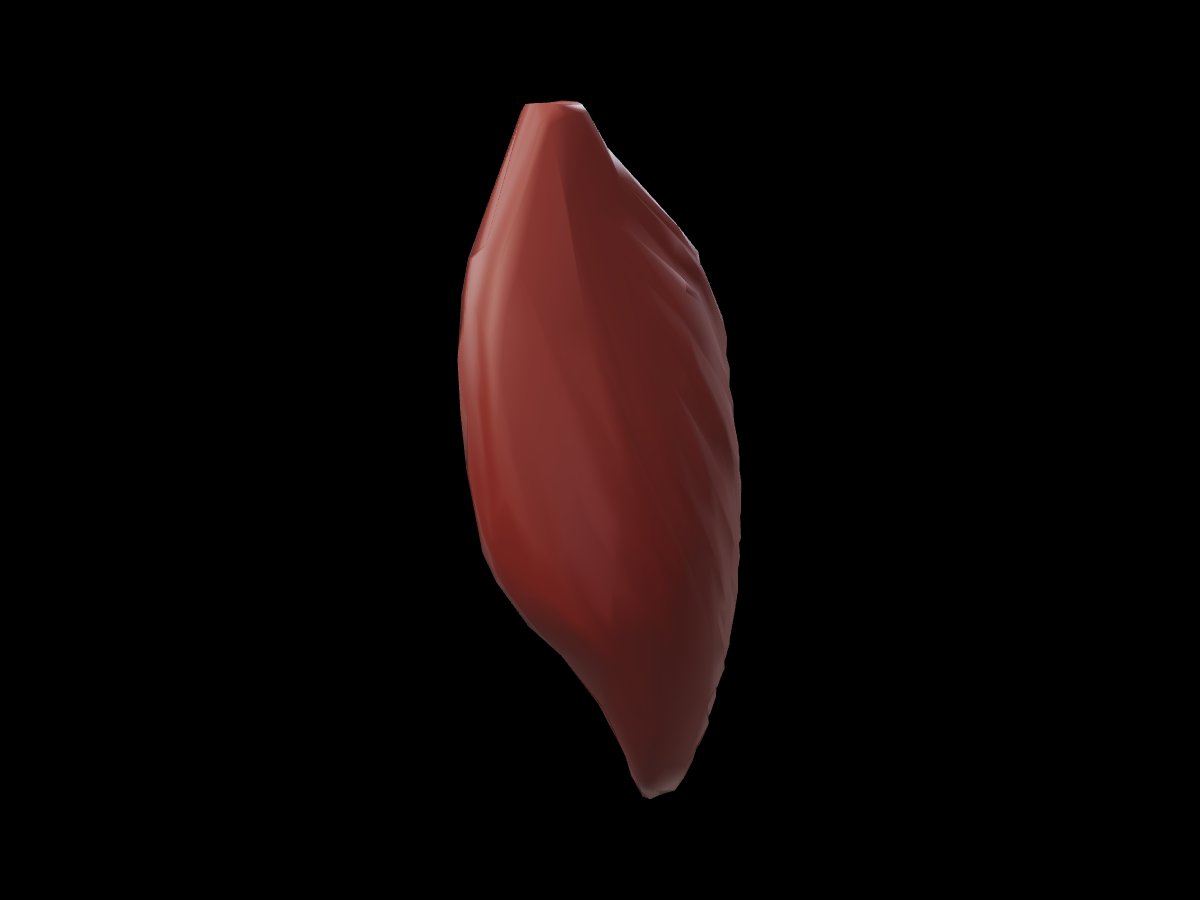
The posterior crico-arytenoid is the only muscle that opens the vocal folds. It is essential for breathing, keeping the glottis open.
Other names: Musculus cricoarytenoideus posterior (Latin) · Muscle crico-aryténoïdien postérieur (French) · Músculo cricoaritenoideo posterior (Spanish) · Músculo crico-aritenóide posterior (Portuguese)
Key facts
- Origin
- Posterior surface of the cricoid lamina
- Insertion
- Muscular process of the arytenoid cartilage
- Action
- Abducts the vocal folds; the only muscle that opens the rima glottidis
- Nerve supply
- Recurrent laryngeal nerve (vagus, CN X)
- Arterial supply
- Inferior laryngeal artery
- Function
- Rotates the arytenoids outwards, abducting the vocal folds and widening the glottis.
Location and relations
Back of the cricoid lamina, to the muscular process of the arytenoid cartilage.
Clinical notes
- Bilateral paralysis (both recurrent laryngeal nerves) leaves the vocal folds near the midline and can obstruct breathing, needing a tracheostomy
Quick answers
What are the origin and insertion of the posterior crico-arytenoid muscle?
Origin: Posterior surface of the cricoid lamina. Insertion: Muscular process of the arytenoid cartilage.
What does the posterior crico-arytenoid muscle do?
Abducts the vocal folds; the only muscle that opens the rima glottidis
What is the nerve supply of the posterior crico-arytenoid muscle?
Recurrent laryngeal nerve (vagus, CN X)
What is the blood supply of the posterior crico-arytenoid muscle?
Inferior laryngeal artery
Where is the posterior crico-arytenoid muscle located?
Back of the cricoid lamina, to the muscular process of the arytenoid cartilage.
Notes written for anatmy3d and checked against Gray’s Anatomy, Moore’s Clinically Oriented Anatomy and Netter. Last reviewed .