Sternocleidomastoid muscle
Musculus sternocleidomastoideus
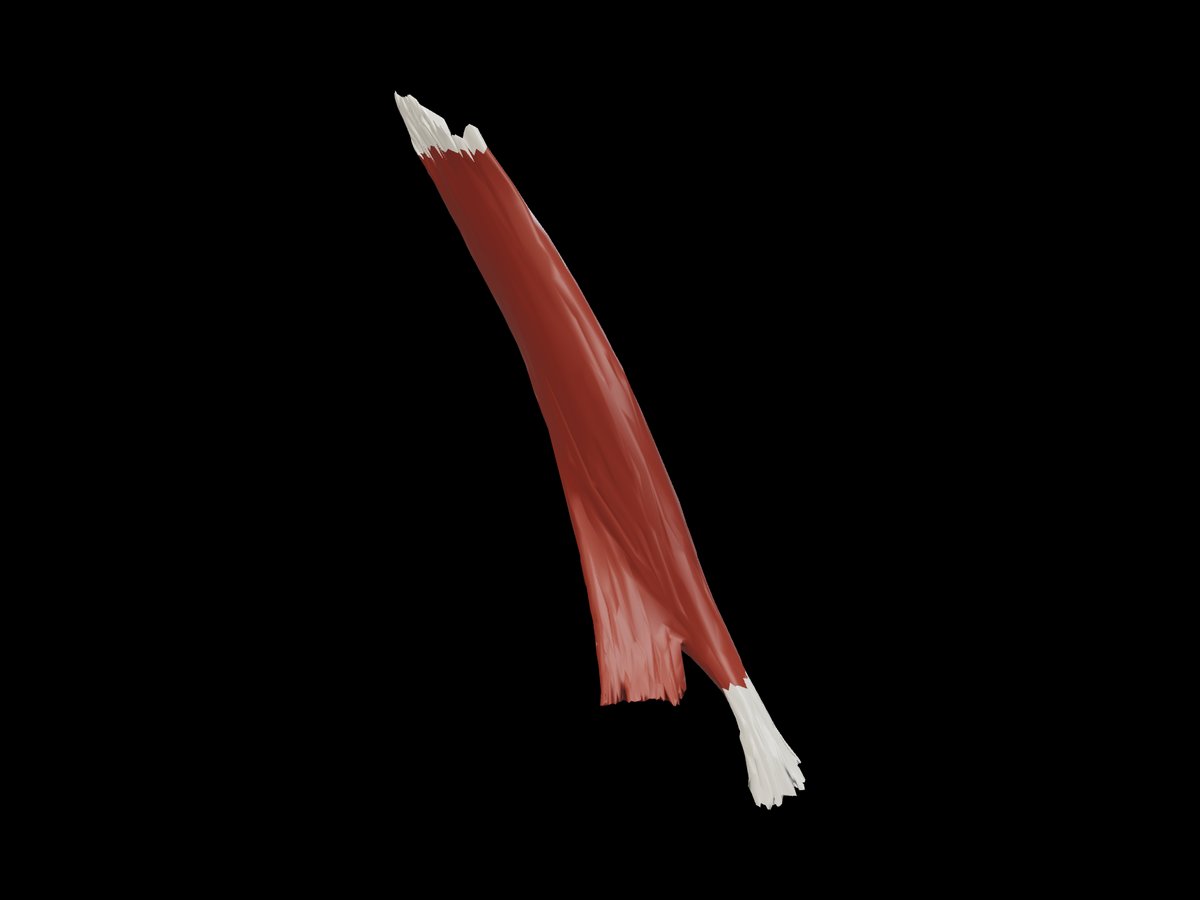
Sternocleidomastoid is the prominent muscle running diagonally across the side of the neck from the sternum and clavicle to the mastoid process. It turns the head to the opposite side and divides the neck into front and back triangles.
Other names: Musculus sternocleidomastoideus (Latin) · Muscle sternocléïdomastoïdien (French) · Músculo esternocleidomastoideo (Spanish) · Músculo esternocleidomastóideo (Portuguese)
Key facts
- Origin
- Sternal head: front of the manubrium. Clavicular head: medial third of the clavicle
- Insertion
- Mastoid process and lateral half of the superior nuchal line
- Action
- One side: tilts the head to the same side and turns the face to the opposite side. Both: flex the neck and extend the head; accessory muscles of inspiration
- Nerve supply
- Accessory nerve (CN XI); C2–C3 for proprioception
- Arterial supply
- Occipital, superior thyroid and suprascapular arteries
- Function
- Acting alone: tilts the head to the same side and turns the face to the opposite side. Acting together: flex the neck and raise the sternum in forced breathing.
Location and relations
Side of the neck, covering the carotid sheath (common carotid artery, internal jugular vein and vagus nerve) and the cervical plexus.
Surface anatomy
Seen clearly when the head is turned against resistance; the hollow between its two heads overlies the internal jugular vein.
Clinical notes
- Congenital torticollis: a shortened sternocleidomastoid in infants tilts the head
- The accessory nerve (XI) supplies it; turning the head against resistance tests the nerve
- It is a guide for central venous lines in the internal jugular vein (between its two heads)
Quick answers
What are the origin and insertion of the sternocleidomastoid muscle?
Origin: Sternal head: front of the manubrium. Clavicular head: medial third of the clavicle. Insertion: Mastoid process and lateral half of the superior nuchal line.
What does the sternocleidomastoid muscle do?
One side: tilts the head to the same side and turns the face to the opposite side. Both: flex the neck and extend the head; accessory muscles of inspiration
What is the nerve supply of the sternocleidomastoid muscle?
Accessory nerve (CN XI); C2–C3 for proprioception
What is the blood supply of the sternocleidomastoid muscle?
Occipital, superior thyroid and suprascapular arteries
Where is the sternocleidomastoid muscle located?
Side of the neck, covering the carotid sheath (common carotid artery, internal jugular vein and vagus nerve) and the cervical plexus.
Notes written for anatmy3d and checked against Gray’s Anatomy, Moore’s Clinically Oriented Anatomy and Netter. Last reviewed .