Reproductive systemMale internal genitalia
Testis
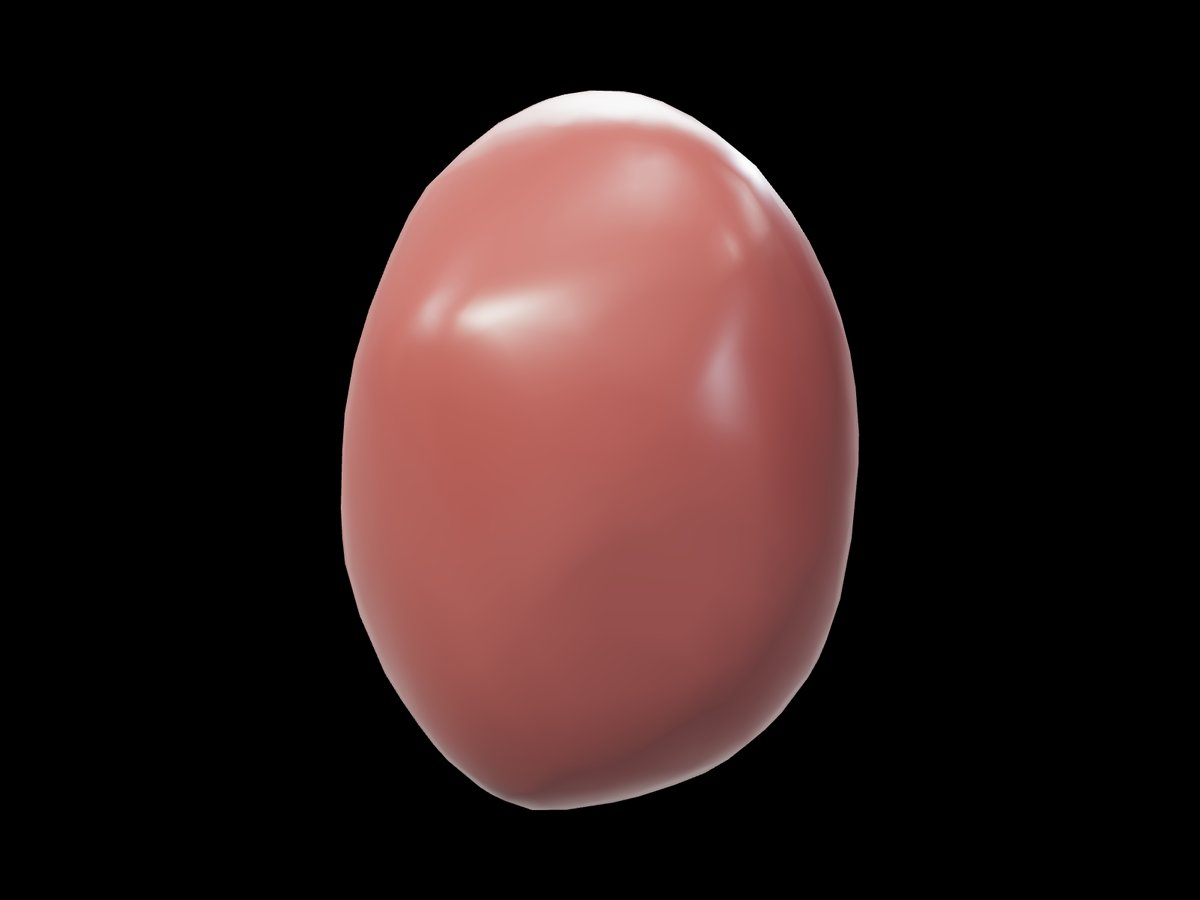
The testes are the male reproductive glands. They produce sperm and the hormone testosterone, and hang in the scrotum where it is cooler than inside the body.
Other names: Testicules (French) · Testículo (Spanish)
Key facts
- Type
- Male gonad
- Nerve supply
- Testicular plexus (T10); pain can be felt in the lower abdomen
- Arterial supply
- Testicular artery (from the aorta), plus the cremasteric artery and artery to the ductus deferens
- Function
- Produces sperm and testosterone, which drives male development and fertility.
Location and relations
In the scrotum, the left usually hanging slightly lower; each is covered by the tough tunica albuginea and partly wrapped in the tunica vaginalis.
Parts and features
- About 250 lobules containing coiled seminiferous tubules (sperm production)
- Leydig cells between the tubules (testosterone)
- Rete testis and efferent ductules leading to the epididymis
Clinical notes
- Testicular torsion causes sudden severe pain and needs surgery within hours to save the testis
- Testicular cancer is the commonest solid cancer in young men and is highly curable; self-examination helps early detection
- An undescended testis is corrected in early childhood to protect fertility and allow monitoring
Quick answers
Where is the testis located?
In the scrotum, the left usually hanging slightly lower; each is covered by the tough tunica albuginea and partly wrapped in the tunica vaginalis.
What does the testis do?
Produces sperm and testosterone, which drives male development and fertility.
What is the nerve supply of the testis?
Testicular plexus (T10); pain can be felt in the lower abdomen
What is the blood supply of the testis?
Testicular artery (from the aorta), plus the cremasteric artery and artery to the ductus deferens
Notes written for anatmy3d and checked against Gray’s Anatomy, Moore’s Clinically Oriented Anatomy and Netter. Last reviewed .