Reproductive systemMale internal genitalia
Prostate
Prostata
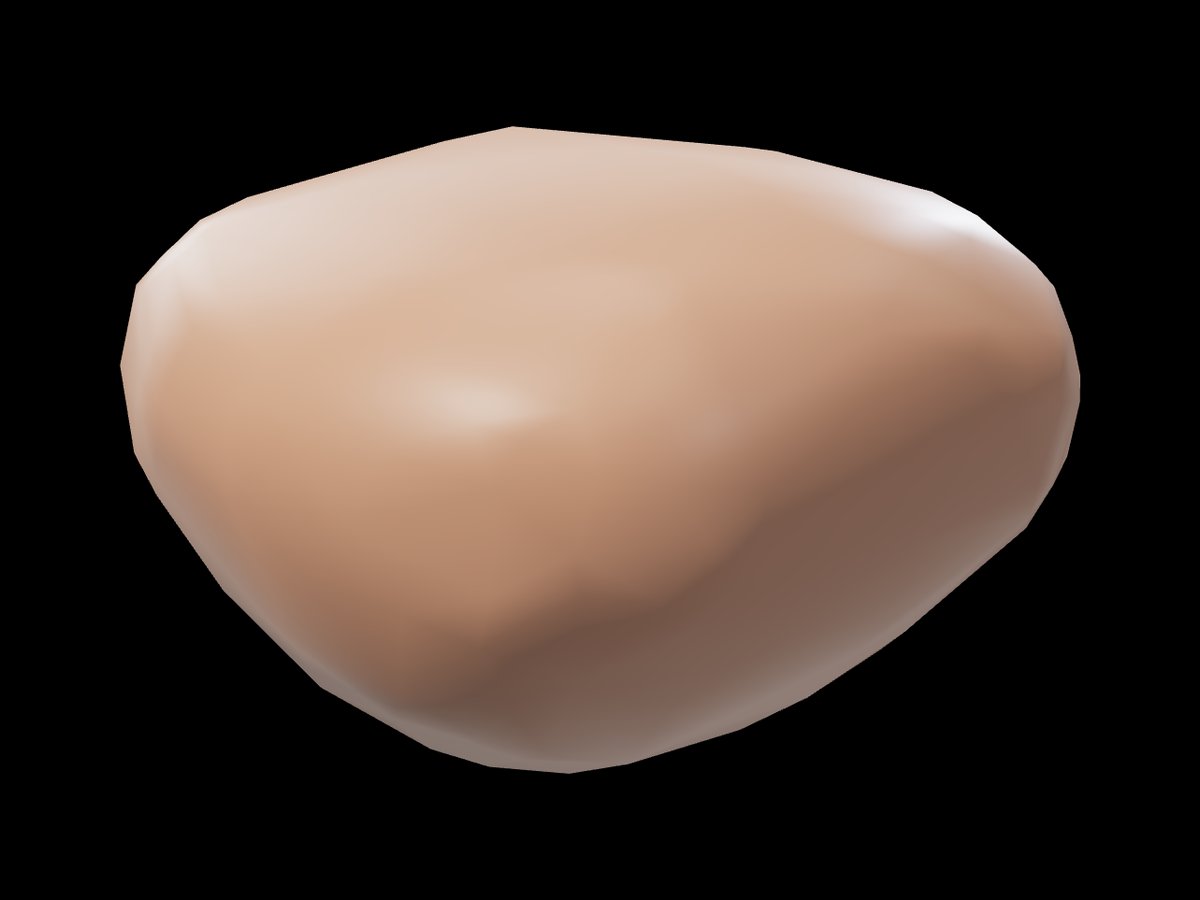
The prostate is a walnut-sized gland below the bladder that surrounds the first part of the urethra. It adds fluid to semen and commonly enlarges with age.
Other names: Prostata (Latin) · Próstata (Spanish, Portuguese)
Key facts
- Type
- Male accessory reproductive gland
- Nerve supply
- Prostatic plexus; the nerves for erection run beside it
- Arterial supply
- Inferior vesical and middle rectal arteries
- Function
- Secretes a slightly acidic fluid containing enzymes such as PSA that help liquefy semen.
Location and relations
Below the bladder neck, behind the pubic symphysis and in front of the rectum, through which it can be felt.
Parts and features
- Peripheral zone (where most cancers arise)
- Transition zone (which enlarges in benign prostatic hyperplasia)
- Central zone
Clinical notes
- Benign enlargement causes a weak stream, frequency and getting up at night to urinate, and can cause urinary retention
- Prostate cancer is one of the commonest cancers in men; it is detected with PSA blood tests, MRI and biopsy
- Surgery or radiotherapy can affect erections and bladder control because nerves and sphincter lie close
Quick answers
Where is the prostate located?
Below the bladder neck, behind the pubic symphysis and in front of the rectum, through which it can be felt.
What does the prostate do?
Secretes a slightly acidic fluid containing enzymes such as PSA that help liquefy semen.
What is the nerve supply of the prostate?
Prostatic plexus; the nerves for erection run beside it
What is the blood supply of the prostate?
Inferior vesical and middle rectal arteries
Notes written for anatmy3d and checked against Gray’s Anatomy, Moore’s Clinically Oriented Anatomy and Netter. Last reviewed .