ArteriesSystemic arteries
Thyrocervical trunk
Truncus thyreocervicalis
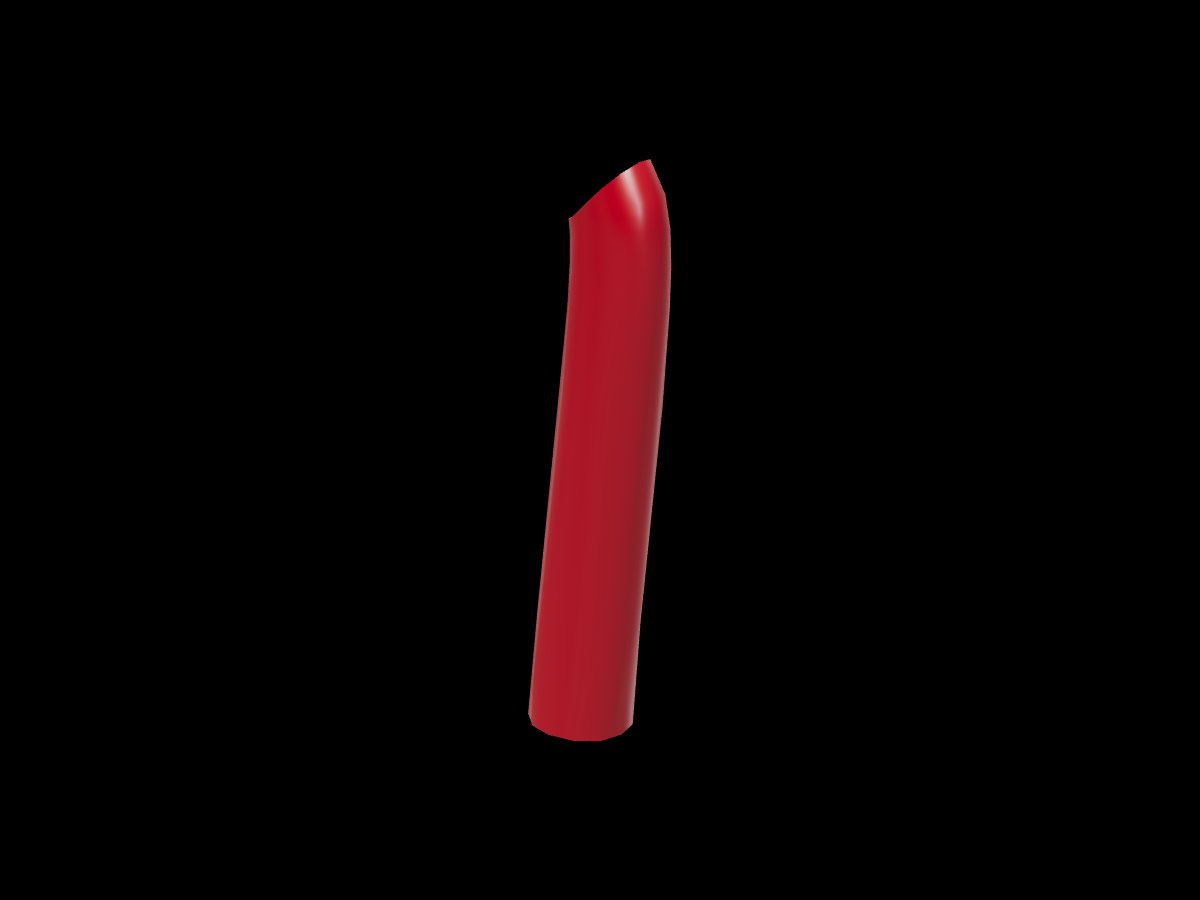
The thyrocervical trunk is a short, wide branch of the first part of the subclavian artery that divides almost at once into several neck arteries.
Other names: Truncus thyreocervicalis (Latin) · Tronc thyrocervical (French) · Tronco tirocervical (Spanish) · Tronco tireocervical (Portuguese)
Key facts
- Type
- Arterial trunk
- Supplies
- Thyroid and parathyroid glands, neck muscles, shoulder and scapula
- Branches
- Inferior thyroid, suprascapular and transverse cervical arteries (and the ascending cervical, often via the inferior thyroid)
- Course
- Arises from the front of the subclavian artery near the medial border of scalenus anterior and divides after a few millimetres.
- Function
- Carries oxygen-rich blood from the first part of the subclavian artery and splits at once to supply the thyroid and parathyroids, the neck muscles and, through the suprascapular artery, the scapula.
Clinical notes
- Its branches form part of the collateral circulation around the scapula when the subclavian or axillary artery is blocked
Quick answers
What is the course of the thyrocervical trunk?
Arises from the front of the subclavian artery near the medial border of scalenus anterior and divides after a few millimetres.
What are the branches of the thyrocervical trunk?
Inferior thyroid, suprascapular and transverse cervical arteries (and the ascending cervical, often via the inferior thyroid)
What does the thyrocervical trunk supply?
Thyroid and parathyroid glands, neck muscles, shoulder and scapula
Notes written for anatmy3d and checked against Gray’s Anatomy, Moore’s Clinically Oriented Anatomy and Netter. Last reviewed .