ArteriesSystemic arteries
Transverse cervical artery
Arteria transversa colli arteria transversa cervicis
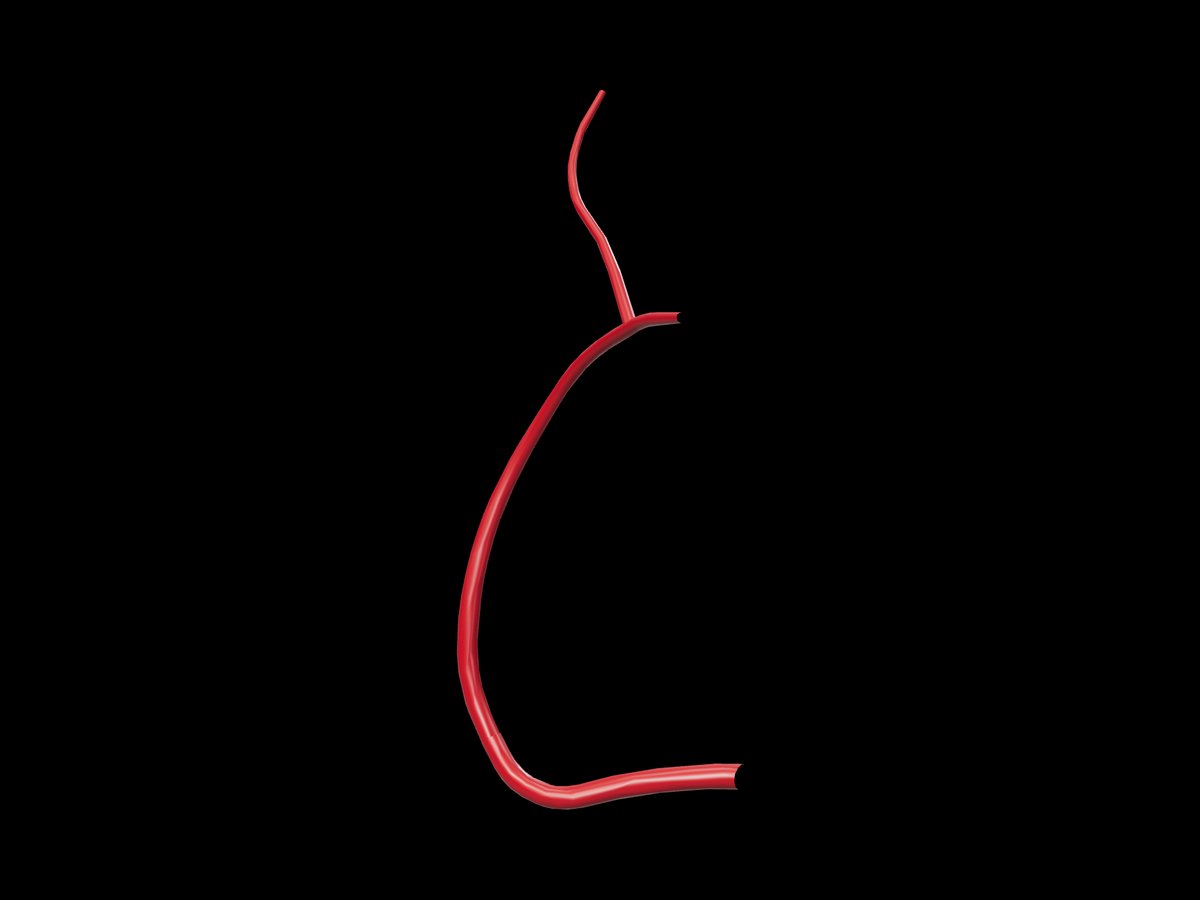
The transverse cervical artery crosses the lower part of the side of the neck to the trapezius and the shoulder blade region.
Other names: Arteria transversa colli arteria transversa cervicis (Latin) · Artère transverse du cou (French) · Arteria cervical transversal (Spanish) · Artéria cervical transversa (Portuguese)
Key facts
- Type
- Muscular artery
- Supplies
- Trapezius, levator scapulae, rhomboids and the skin of the lower neck
- Branches
- Superficial branch (superficial cervical artery), deep branch (dorsal scapular artery when it arises here)
- Course
- Arises from the thyrocervical trunk (or directly from the subclavian), passes laterally in front of scalenus anterior and the brachial plexus across the posterior triangle of the neck, and divides into superficial and deep branches.
- Function
- Carries oxygen-rich blood across the posterior triangle to trapezius, levator scapulae and the rhomboids; its deep branch joins the scapular anastomosis.
Clinical notes
- Used as a recipient vessel for free flaps in head and neck reconstruction
Quick answers
What is the course of the transverse cervical artery?
Arises from the thyrocervical trunk (or directly from the subclavian), passes laterally in front of scalenus anterior and the brachial plexus across the posterior triangle of the neck, and divides into superficial and deep branches.
What are the branches of the transverse cervical artery?
Superficial branch (superficial cervical artery), deep branch (dorsal scapular artery when it arises here)
What does the transverse cervical artery supply?
Trapezius, levator scapulae, rhomboids and the skin of the lower neck
Notes written for anatmy3d and checked against Gray’s Anatomy, Moore’s Clinically Oriented Anatomy and Netter. Last reviewed .