Brain and spinal cordGrey matter of the pontine tegmentum
Vestibular nuclei
Nuclei vestibulares
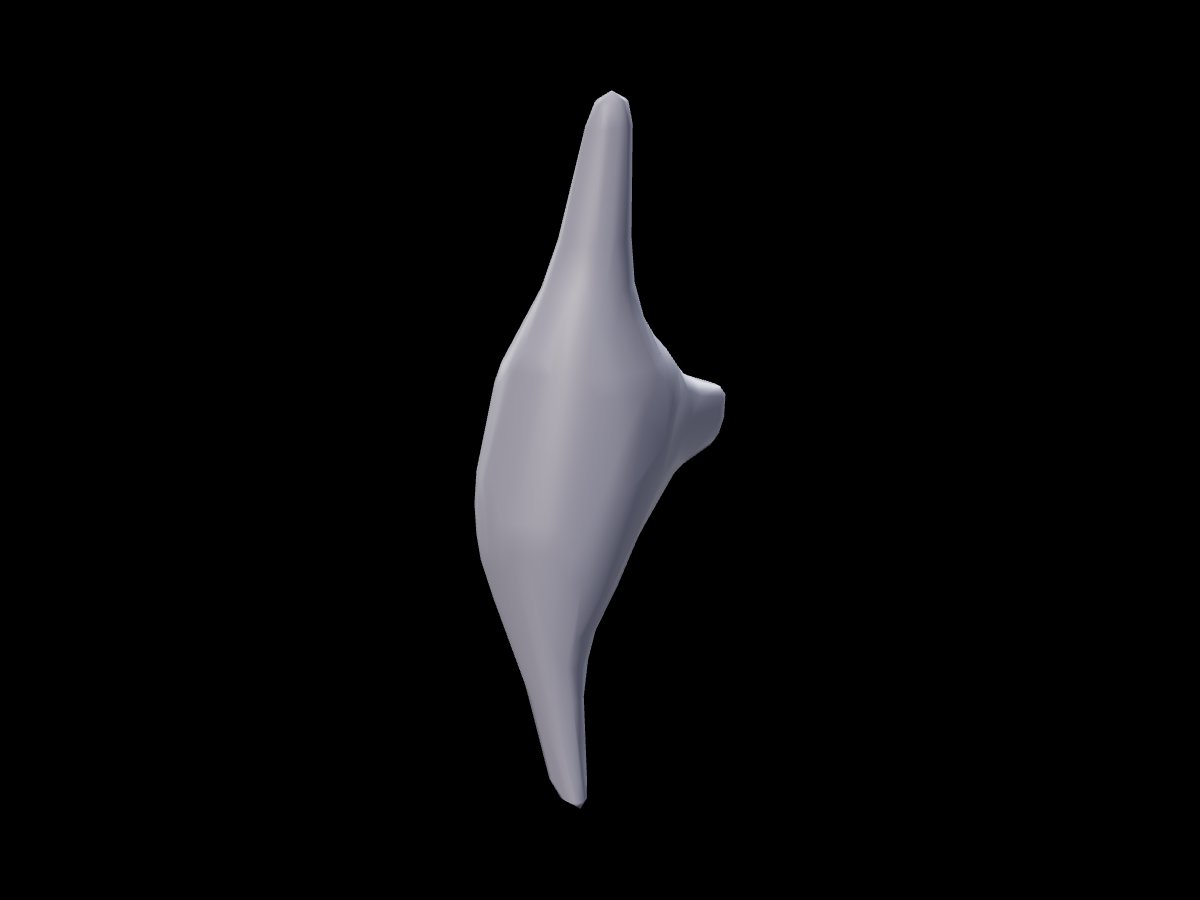
The vestibular nuclei receive balance information from the inner ear. They control eye movements, posture and the sense of balance.
Other names: Nuclei vestibulares (Latin) · Noyaux vestibulaires (French) · Núcleos vestibulares (Spanish, Portuguese)
Key facts
- Type
- Cranial nerve sensory nuclei (four: superior, inferior, medial, lateral)
- Function
- Keep the eyes steady during head movement (vestibulo-ocular reflex), maintain posture through the vestibulospinal tracts and communicate with the cerebellum.
Location and relations
Floor of the fourth ventricle at the pons–medulla junction (the vestibular area).
Clinical notes
- Damage causes vertigo, nystagmus and unsteadiness, as in lateral medullary stroke
- Bedside eye-movement tests help tell a stroke from a benign inner-ear cause of vertigo
Quick answers
Where is the vestibular nuclei located?
Floor of the fourth ventricle at the pons–medulla junction (the vestibular area).
What does the vestibular nuclei do?
Keep the eyes steady during head movement (vestibulo-ocular reflex), maintain posture through the vestibulospinal tracts and communicate with the cerebellum.
Notes written for anatmy3d and checked against Gray’s Anatomy, Moore’s Clinically Oriented Anatomy and Netter. Last reviewed .