Reproductive systemFemale genital organs
Vestibule of vagina
Vestibulum vaginae
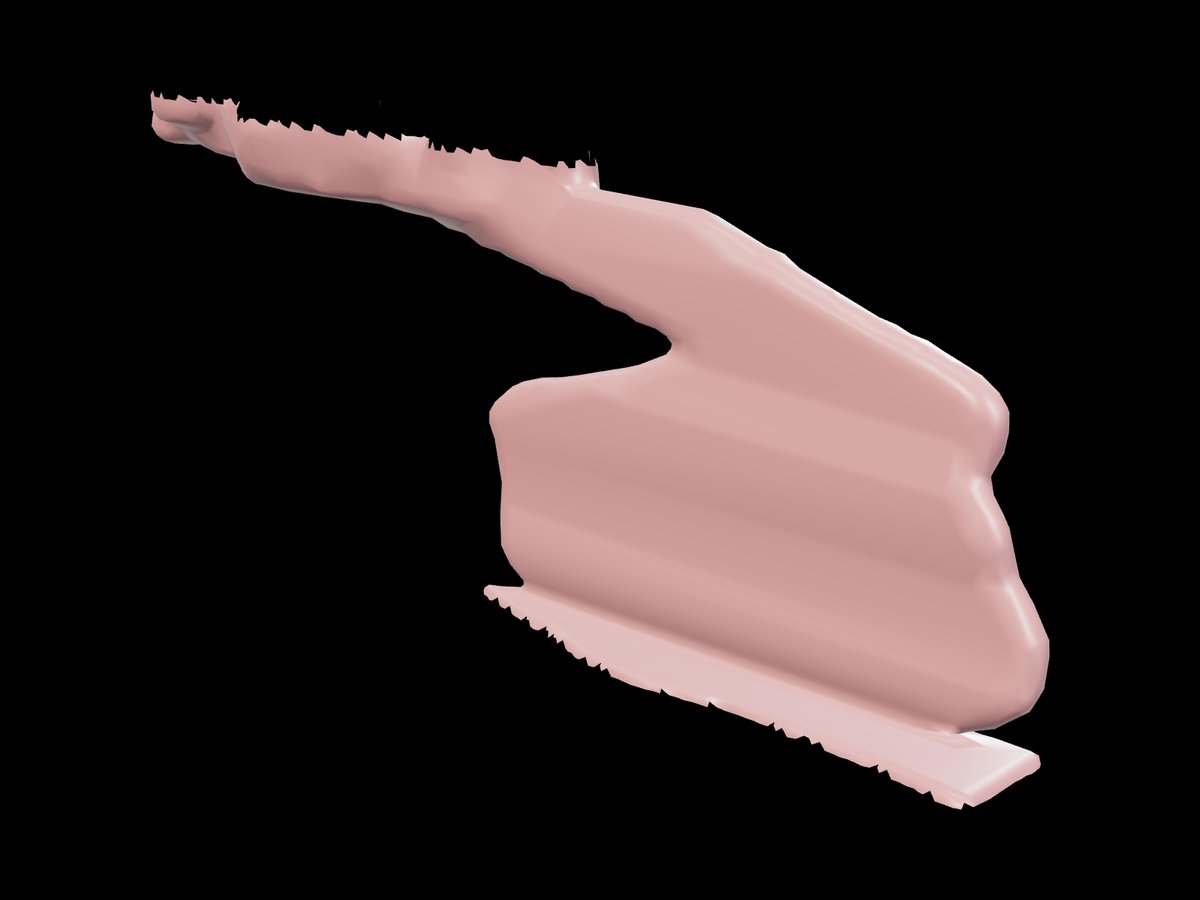
The vestibule of the vagina is the space enclosed by the labia minora. The urethra and vagina open into it, together with the ducts of the vestibular glands.
Other names: Vestibulum vaginae (Latin) · Vestibule du vagin (French) · Vestíbulo de la vagina (Spanish) · Vestíbulo da vagina (Portuguese)
Key facts
- Type
- Part of the vulva (female external genitalia)
- Nerve supply
- Pudendal nerve (posterior labial and deep perineal branches, S2–S4); parasympathetic cavernous nerves for glandular secretion and engorgement of the bulbs
- Arterial supply
- Branches of the internal pudendal artery (posterior labial arteries and the artery of the bulb of the vestibule)
- Venous drainage
- Internal pudendal veins
- Lymphatic drainage
- Superficial inguinal nodes
- Function
- Receives urine from the urethra and is the entrance to the vagina. Its glands keep it moist and add lubrication during arousal, when the underlying bulbs swell; it stretches greatly in childbirth.
Location and relations
Between the labia minora, from the glans of the clitoris in front to the frenulum of the labia minora (fourchette) behind. The external urethral opening lies about 2–3 cm behind the glans of the clitoris, directly in front of the vaginal opening. The bulbs of the vestibule lie deep to its sides.
Parts and features
- External urethral orifice: with the openings of the para-urethral (Skene) glands on each side
- Vaginal orifice: partly bordered by the hymen, a thin fold whose shape varies widely and is not a reliable sign of past intercourse; after it tears, small tags (hymenal caruncles) remain
- Gland openings: the ducts of the greater vestibular (Bartholin) glands open on each side of the vaginal orifice, and many small lesser vestibular glands open between the urethral and vaginal orifices
- Vestibular fossa: the shallow hollow between the vaginal orifice and the frenulum of the labia minora
Development
The urogenital folds stay apart as the labia minora, and the groove between them, opening from the urogenital sinus, becomes the vestibule; in males the same folds fuse to close the spongy urethra.
Clinical notes
- A blocked duct of a greater vestibular (Bartholin) gland causes a cyst, or a painful abscess that needs draining, at one side of the back of the vaginal opening
- Pain on touch or penetration at the vestibule (provoked vestibulodynia) is a common, treatable cause of painful intercourse
- An imperforate hymen traps menstrual blood at puberty (haematocolpos), causing monthly pain without periods; a small operation opens it
- To pass a urinary catheter, the urethral opening is found behind the clitoris and just in front of the vaginal opening
Quick answers
Where is the vestibule of vagina located?
Between the labia minora, from the glans of the clitoris in front to the frenulum of the labia minora (fourchette) behind. The external urethral opening lies about 2–3 cm behind the glans of the clitoris, directly in front of the vaginal opening. The bulbs of the vestibule lie deep to its sides.
What does the vestibule of vagina do?
Receives urine from the urethra and is the entrance to the vagina. Its glands keep it moist and add lubrication during arousal, when the underlying bulbs swell; it stretches greatly in childbirth.
What is the nerve supply of the vestibule of vagina?
Pudendal nerve (posterior labial and deep perineal branches, S2–S4); parasympathetic cavernous nerves for glandular secretion and engorgement of the bulbs
What is the blood supply of the vestibule of vagina?
Branches of the internal pudendal artery (posterior labial arteries and the artery of the bulb of the vestibule)
Notes written for anatmy3d and checked against Gray’s Anatomy, Moore’s Clinically Oriented Anatomy and Netter. Last reviewed .