Gastroduodenal artery
Arteria gastroduodenalis
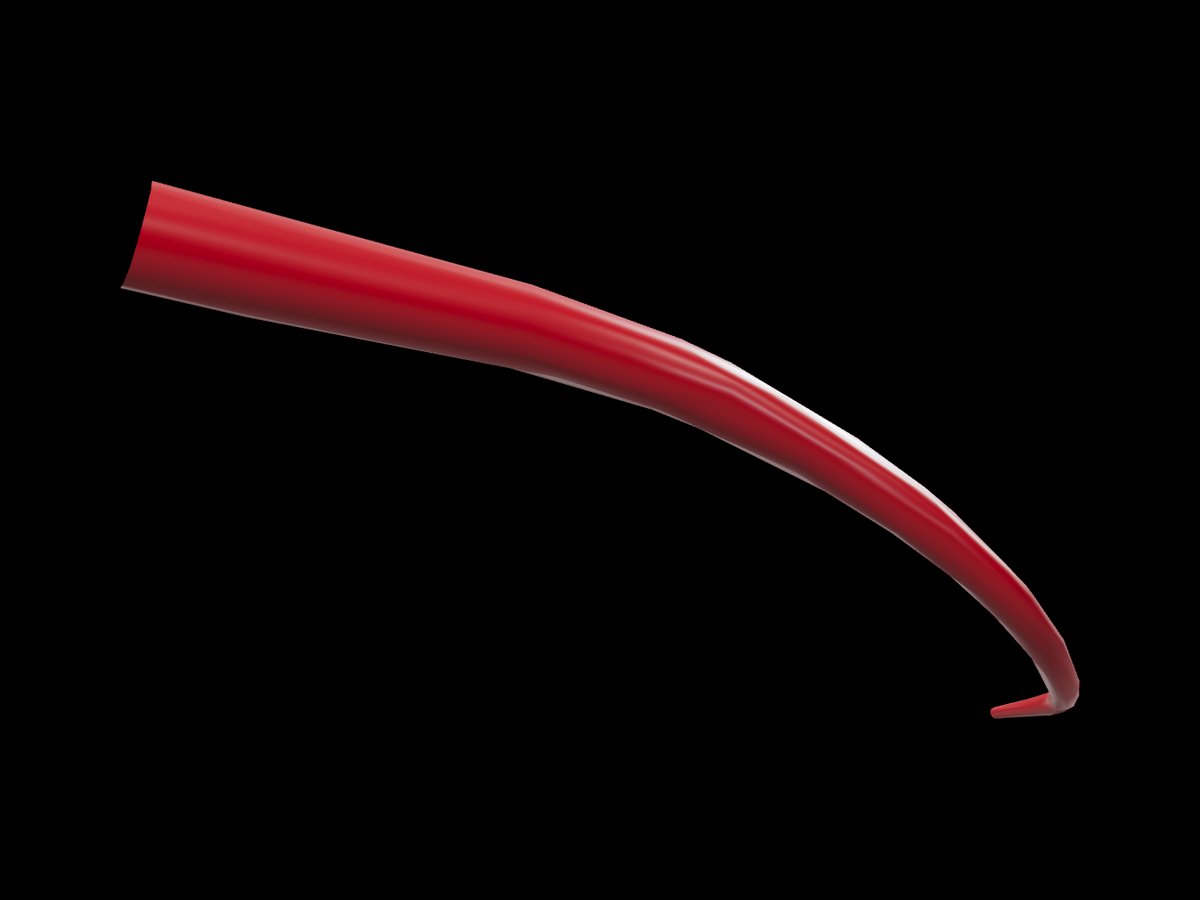
The gastroduodenal artery runs down behind the first part of the duodenum. It is the artery most often responsible for major bleeding from duodenal ulcers.
Other names: Arteria gastroduodenalis (Latin) · Artère gastroduodénale (French) · Arteria gastroduodenal (Spanish) · Artéria gastroduodenal (Portuguese)
Key facts
- Type
- Muscular artery
- Supplies
- Duodenum, pancreatic head and the greater curvature of the stomach
- Branches
- Supraduodenal artery, right gastro-omental artery, anterior and posterior superior pancreaticoduodenal arteries
- Course
- Arises from the common hepatic artery and descends behind the first part of the duodenum, in front of the neck of the pancreas, dividing at the lower border of the duodenum.
- Function
- Carries oxygen-rich blood down behind the first part of the duodenum to the duodenum, pancreatic head and greater curvature; its pancreaticoduodenal branches link the coeliac and superior mesenteric territories.
Clinical notes
- A posterior duodenal ulcer can erode into it, causing vomiting of blood or black stools; it is treated endoscopically, by embolisation or by surgery
Quick answers
What is the course of the gastroduodenal artery?
Arises from the common hepatic artery and descends behind the first part of the duodenum, in front of the neck of the pancreas, dividing at the lower border of the duodenum.
What are the branches of the gastroduodenal artery?
Supraduodenal artery, right gastro-omental artery, anterior and posterior superior pancreaticoduodenal arteries
What does the gastroduodenal artery supply?
Duodenum, pancreatic head and the greater curvature of the stomach
Notes written for anatmy3d and checked against Gray’s Anatomy, Moore’s Clinically Oriented Anatomy and Netter. Last reviewed .