Digestive systemDigestive canal
Duodenum
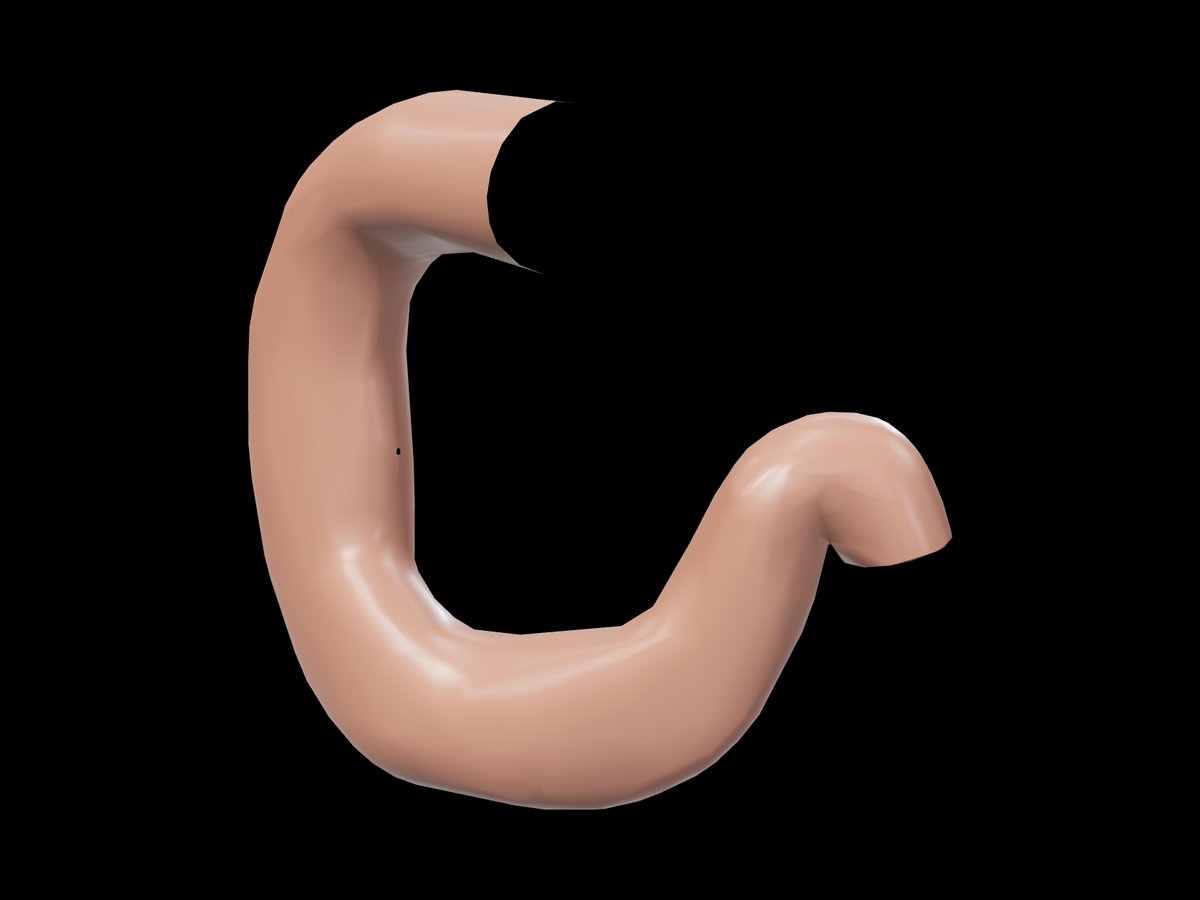
The duodenum is the first part of the small intestine, a C-shaped tube about 25 cm long that curves around the head of the pancreas. Bile and pancreatic juice enter it.
Other names: Duodénum (French) · Duodeno (Spanish, Portuguese)
Key facts
- Type
- Part of the small intestine
- Nerve supply
- Vagus nerves and coeliac plexus
- Arterial supply
- Gastroduodenal and superior and inferior pancreaticoduodenal arteries
- Function
- Neutralises stomach acid, receives bile and pancreatic enzymes, and begins most digestion and absorption (especially of iron).
Location and relations
Around the head of the pancreas, mostly behind the peritoneum, from the pylorus to the duodenojejunal flexure at about L2.
Parts and features
- First (superior) part, including the duodenal cap
- Second (descending) part with the major duodenal papilla, where bile and pancreatic ducts open
- Third (horizontal) part, crossed by the superior mesenteric vessels
- Fourth (ascending) part
Clinical notes
- Duodenal ulcers usually occur in the first part; posterior ulcers can bleed from the gastroduodenal artery and anterior ones can perforate
- Coeliac disease is diagnosed from biopsies of its lining
Quick answers
Where is the duodenum located?
Around the head of the pancreas, mostly behind the peritoneum, from the pylorus to the duodenojejunal flexure at about L2.
What does the duodenum do?
Neutralises stomach acid, receives bile and pancreatic enzymes, and begins most digestion and absorption (especially of iron).
What is the nerve supply of the duodenum?
Vagus nerves and coeliac plexus
What is the blood supply of the duodenum?
Gastroduodenal and superior and inferior pancreaticoduodenal arteries
Notes written for anatmy3d and checked against Gray’s Anatomy, Moore’s Clinically Oriented Anatomy and Netter. Last reviewed .