Inferior oblique muscle
Musculus obliquus inferior bulbi oculi
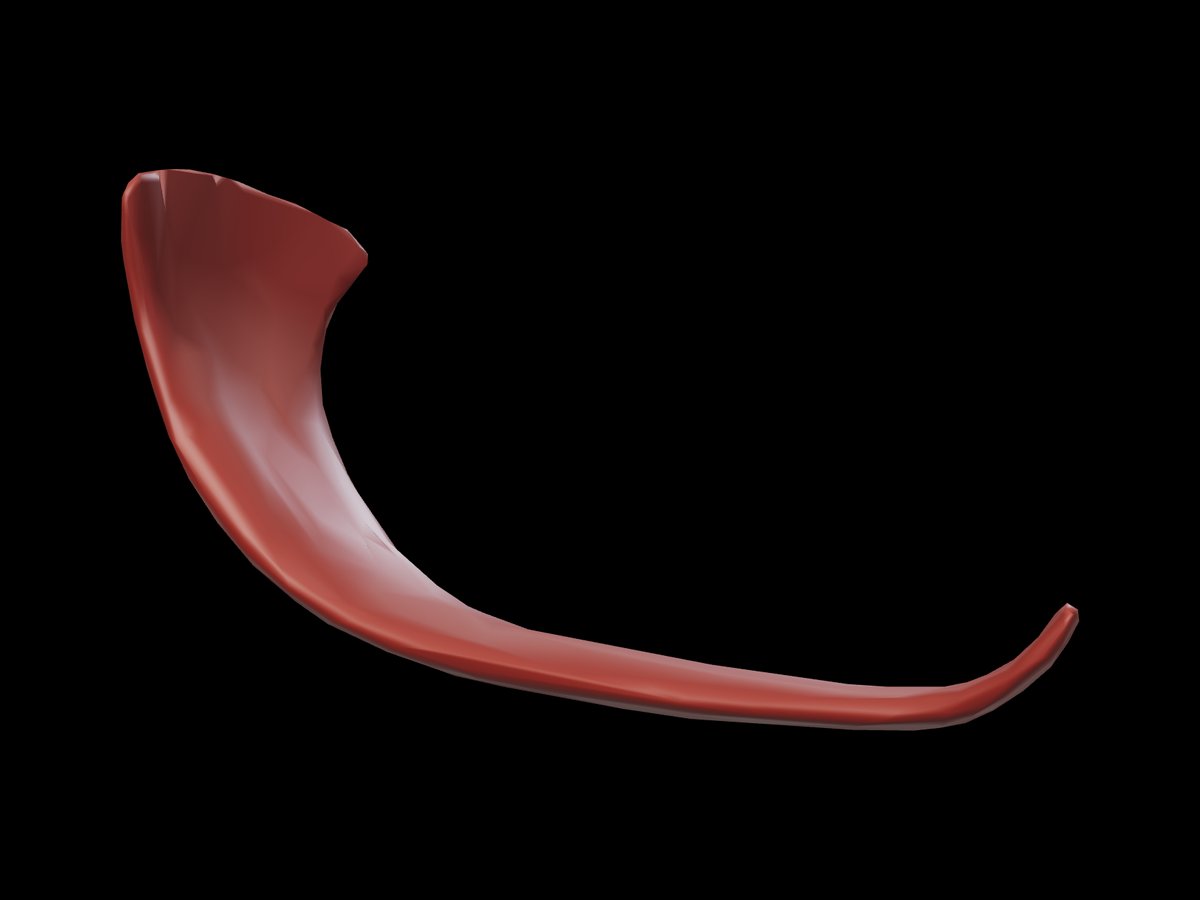
The inferior oblique is the only eye muscle that arises from the front of the orbit. It runs back under the eye to its outer back part and turns the eye up when it looks inwards.
Other names: Musculus obliquus inferior bulbi oculi (Latin) · Muscle oblique inférieur de l'œil (French) · Músculo oblicuo inferior del bulbo ocular (Spanish) · Músculo oblíquo inferior (Portuguese)
Key facts
- Origin
- Floor of the orbit, lateral to the nasolacrimal groove (maxilla)
- Insertion
- Posterolateral sclera, deep to the lateral rectus
- Action
- Extorts the eye; elevates and abducts it
- Nerve supply
- Inferior division of the oculomotor nerve (CN III)
- Arterial supply
- Inferior muscular branch of the ophthalmic artery; infra-orbital artery
- Function
- Elevates the eye (main elevator when adducted), abducts and extorts it.
Location and relations
Floor of the orbit, from the maxilla beside the nasolacrimal canal to the posterolateral sclera below the lateral rectus.
Clinical notes
- Overaction of the inferior oblique is a common cause of upward drift of an inward-turning eye in children's squint
Quick answers
What are the origin and insertion of the inferior oblique muscle?
Origin: Floor of the orbit, lateral to the nasolacrimal groove (maxilla). Insertion: Posterolateral sclera, deep to the lateral rectus.
What does the inferior oblique muscle do?
Extorts the eye; elevates and abducts it
What is the nerve supply of the inferior oblique muscle?
Inferior division of the oculomotor nerve (CN III)
What is the blood supply of the inferior oblique muscle?
Inferior muscular branch of the ophthalmic artery; infra-orbital artery
Where is the inferior oblique muscle located?
Floor of the orbit, from the maxilla beside the nasolacrimal canal to the posterolateral sclera below the lateral rectus.
Notes written for anatmy3d and checked against Gray’s Anatomy, Moore’s Clinically Oriented Anatomy and Netter. Last reviewed .