Levator palpebrae superioris
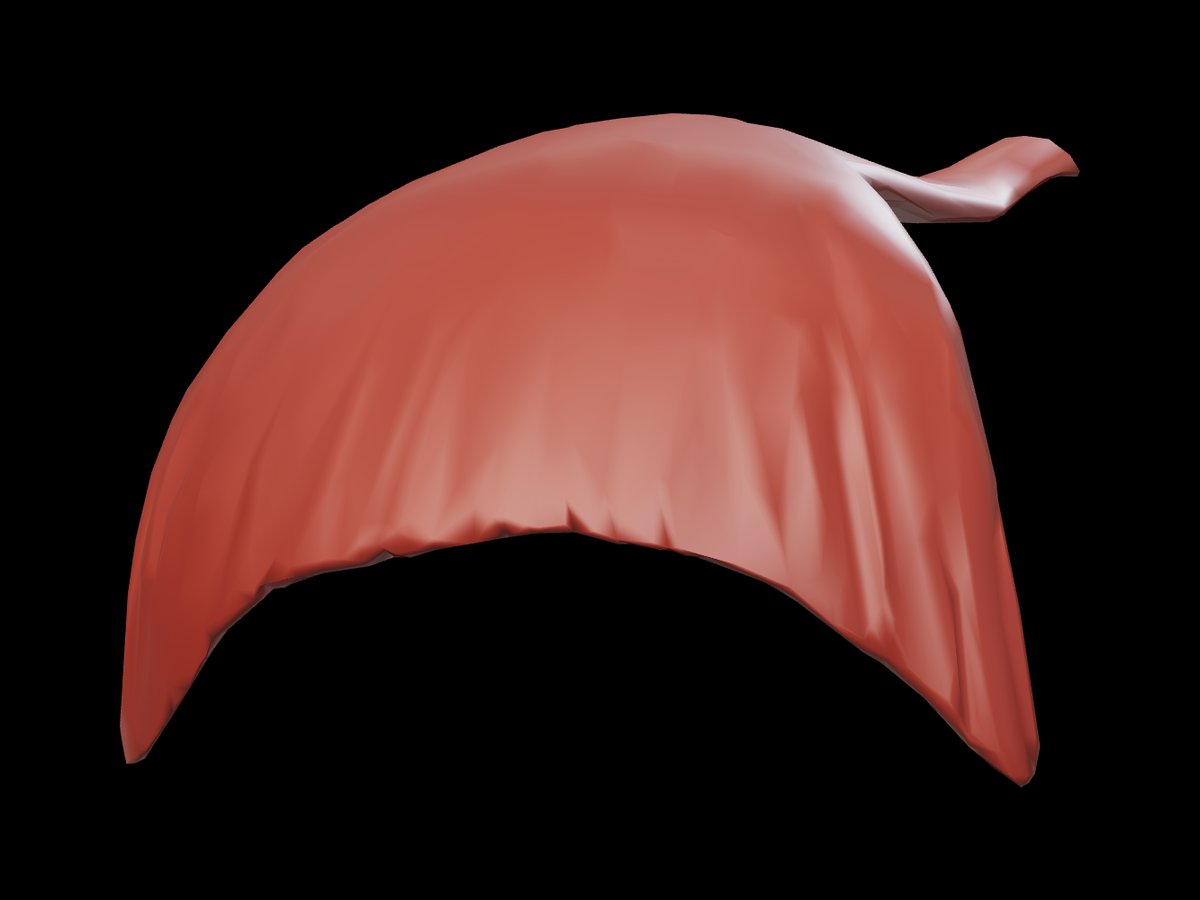
Levator palpebrae superioris raises the upper eyelid. A layer of smooth muscle within it (superior tarsal muscle) adds a little extra lift under sympathetic control.
Other names: Muscle élévateur de la paupière supérieure (French) · Elevador del párpado superior (Spanish) · Levantador da palpebra superior (Portuguese)
Key facts
- Origin
- Lesser wing of the sphenoid, above and in front of the optic canal
- Insertion
- Skin of the upper eyelid and the superior tarsus
- Action
- Raises the upper eyelid
- Nerve supply
- Oculomotor nerve (CN III); its smooth-muscle part (superior tarsal muscle) is sympathetic
- Arterial supply
- Branches of the ophthalmic artery
- Function
- Elevates and holds up the upper eyelid.
Location and relations
In the orbit above superior rectus, from the lesser wing of the sphenoid to the skin and tarsal plate of the upper eyelid.
Clinical notes
- Oculomotor nerve palsy causes complete ptosis (drooping lid); sympathetic damage (Horner syndrome) causes only a mild ptosis from loss of the superior tarsal muscle
- Age-related stretching of its aponeurosis is the commonest cause of ptosis in older people
Quick answers
What are the origin and insertion of the levator palpebrae superioris?
Origin: Lesser wing of the sphenoid, above and in front of the optic canal. Insertion: Skin of the upper eyelid and the superior tarsus.
What does the levator palpebrae superioris do?
Raises the upper eyelid
What is the nerve supply of the levator palpebrae superioris?
Oculomotor nerve (CN III); its smooth-muscle part (superior tarsal muscle) is sympathetic
What is the blood supply of the levator palpebrae superioris?
Branches of the ophthalmic artery
Where is the levator palpebrae superioris located?
In the orbit above superior rectus, from the lesser wing of the sphenoid to the skin and tarsal plate of the upper eyelid.
Notes written for anatmy3d and checked against Gray’s Anatomy, Moore’s Clinically Oriented Anatomy and Netter. Last reviewed .