Inferior tarsus
Tarsus inferior
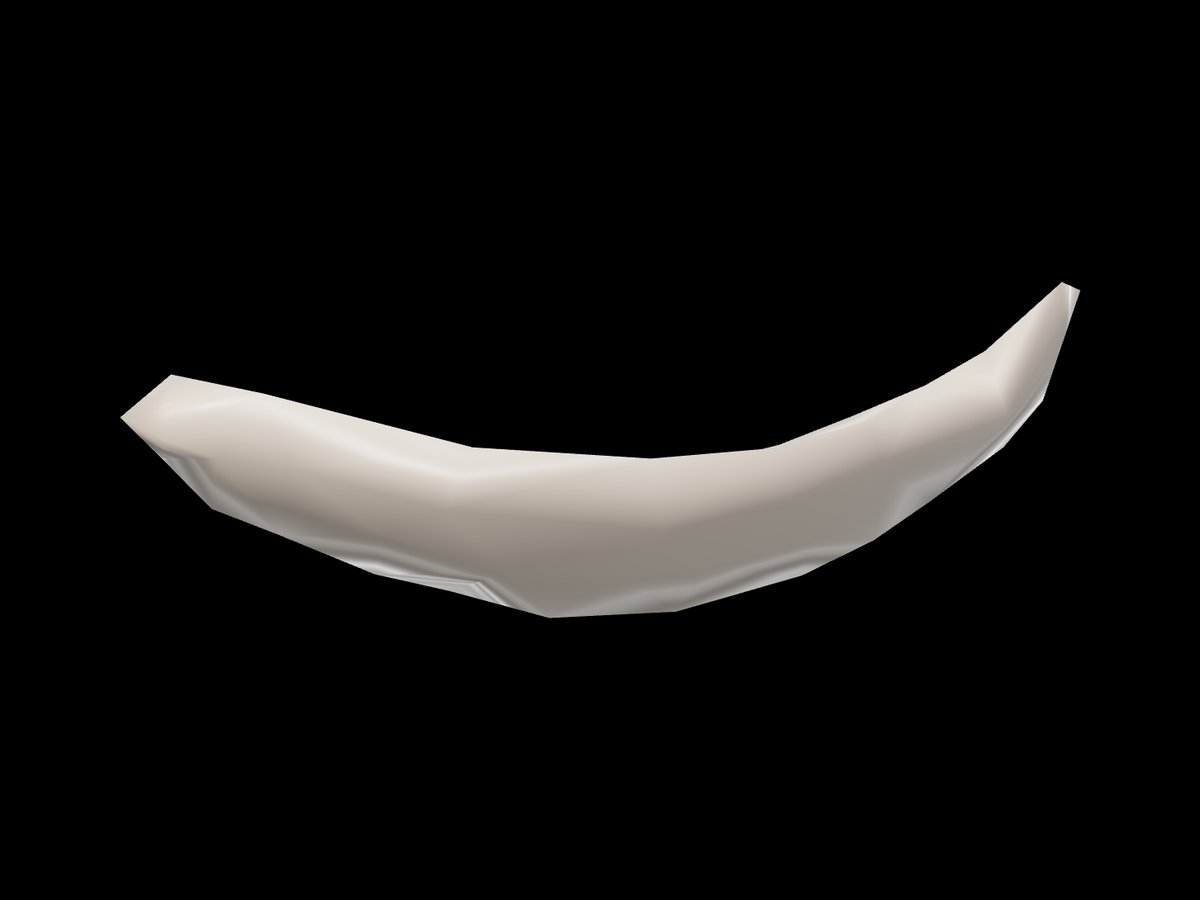
The inferior tarsus (lower tarsal plate) is the smaller plate of dense connective tissue in the lower eyelid. It also contains tarsal glands.
Other names: Tarsus inferior (Latin) · Tarse inférieur (French) · Tarso inferior (Spanish, Portuguese)
Key facts
- Origin
- Dense connective-tissue plate of the lower eyelid, anchored by the palpebral ligaments
- Action
- Gives the lower eyelid its shape; houses the tarsal (meibomian) glands
- Nerve supply
- Inferior tarsal muscle: sympathetic fibres
- Arterial supply
- Palpebral arcades of the ophthalmic artery
- Function
- Supports the lower lid against the eye; attachment for the lower lid retractors.
Location and relations
Within the lower eyelid; about 5 mm tall.
Clinical notes
- Laxity of the lower lid with age causes ectropion (turning out) or entropion (turning in, so lashes rub the eye)
Quick answers
What does the inferior tarsus do?
Gives the lower eyelid its shape; houses the tarsal (meibomian) glands
What is the nerve supply of the inferior tarsus?
Inferior tarsal muscle: sympathetic fibres
What is the blood supply of the inferior tarsus?
Palpebral arcades of the ophthalmic artery
Where is the inferior tarsus located?
Within the lower eyelid; about 5 mm tall.
Notes written for anatmy3d and checked against Gray’s Anatomy, Moore’s Clinically Oriented Anatomy and Netter. Last reviewed .