Lateral crico-arytenoid muscle
Musculus cricoarytendoideus lateralis
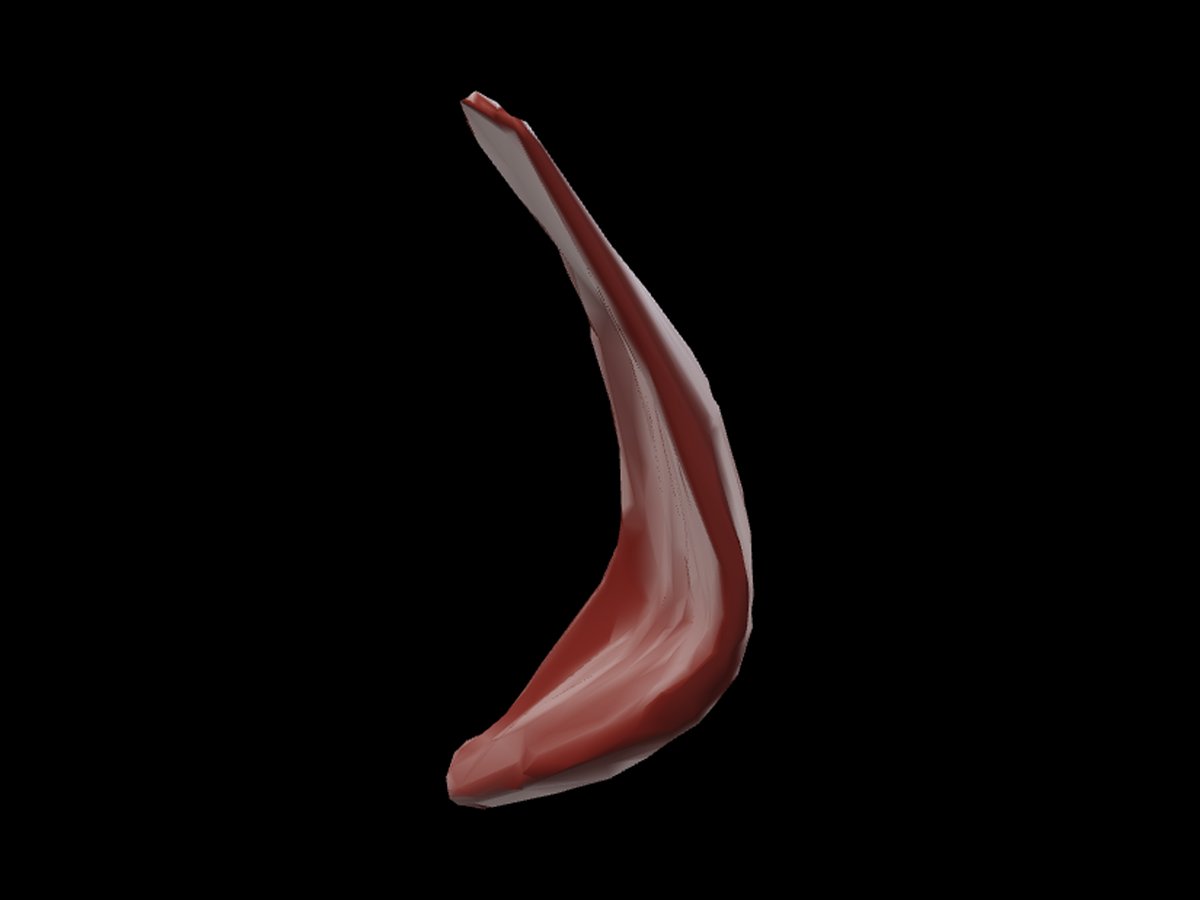
The lateral crico-arytenoid rotates the arytenoid cartilages inwards, bringing the vocal folds together to produce voice.
Other names: Musculus cricoarytendoideus lateralis (Latin) · Muscle crico-aryténoïdien latéral (French) · Músculo cricoaritenoideo lateral (Spanish) · Músculo crico-aritenóideo lateral (Portuguese)
Key facts
- Origin
- Arch of the cricoid cartilage
- Insertion
- Muscular process of the arytenoid cartilage
- Action
- Adducts the vocal folds, closing the rima glottidis
- Nerve supply
- Recurrent laryngeal nerve (vagus, CN X)
- Arterial supply
- Inferior laryngeal artery (inferior thyroid artery)
- Function
- Adducts the vocal folds (closes the glottis, especially its front part).
Location and relations
From the upper side of the cricoid arch to the muscular process of the arytenoid.
Clinical notes
- Supplied by the recurrent laryngeal nerve, which can be injured in thyroid surgery
Quick answers
What are the origin and insertion of the lateral crico-arytenoid muscle?
Origin: Arch of the cricoid cartilage. Insertion: Muscular process of the arytenoid cartilage.
What does the lateral crico-arytenoid muscle do?
Adducts the vocal folds, closing the rima glottidis
What is the nerve supply of the lateral crico-arytenoid muscle?
Recurrent laryngeal nerve (vagus, CN X)
What is the blood supply of the lateral crico-arytenoid muscle?
Inferior laryngeal artery (inferior thyroid artery)
Where is the lateral crico-arytenoid muscle located?
From the upper side of the cricoid arch to the muscular process of the arytenoid.
Notes written for anatmy3d and checked against Gray’s Anatomy, Moore’s Clinically Oriented Anatomy and Netter. Last reviewed .