Transverse arytenoid muscle
Musculus arytenoideus transversus
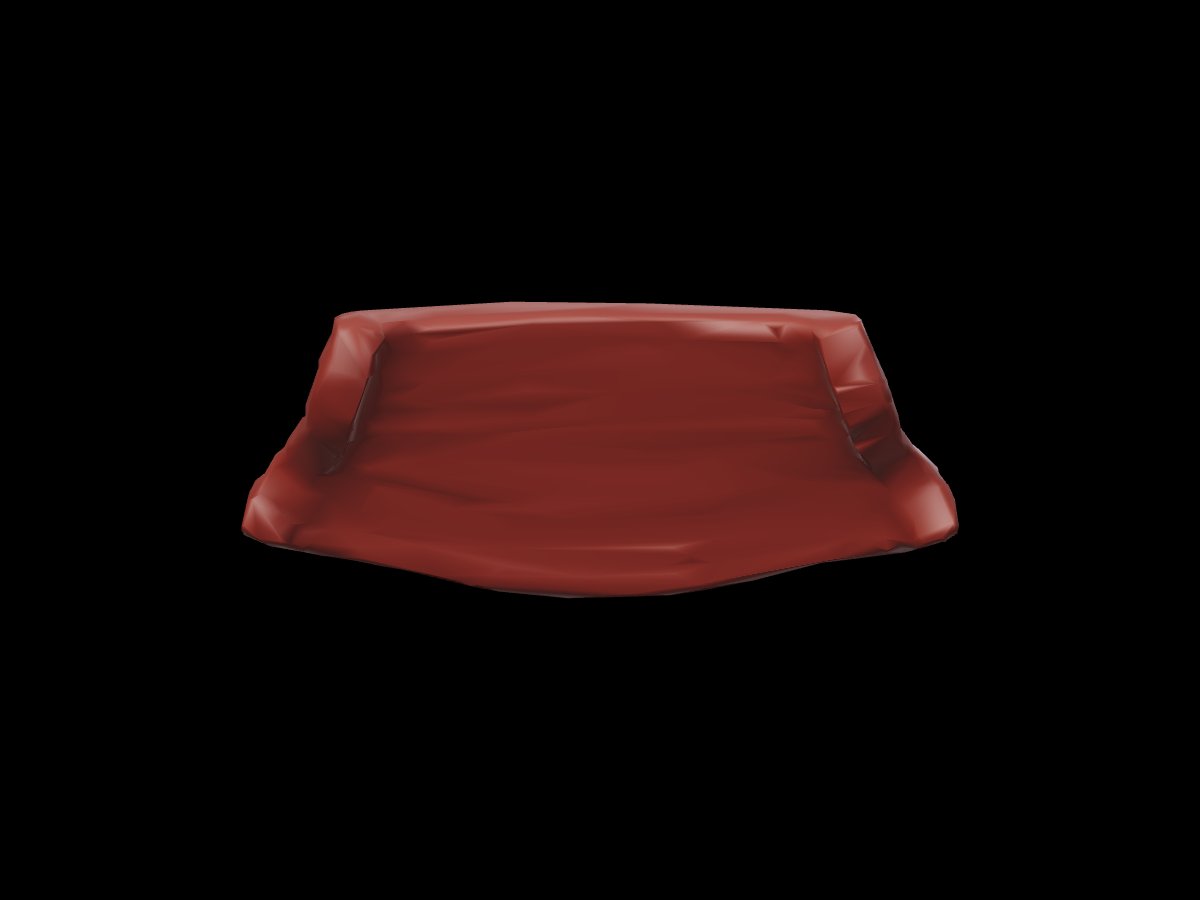
The transverse arytenoid is an unpaired muscle that joins the backs of the two arytenoid cartilages. It pulls them together to close the back of the glottis.
Other names: Musculus arytenoideus transversus (Latin) · Muscle aryténoïdien (French) · Músculo aritenoideo transverso (Spanish) · Músculo aritenóideo transverso (Portuguese)
Key facts
- Origin
- Posterior surface of one arytenoid cartilage
- Insertion
- Posterior surface of the opposite arytenoid cartilage
- Action
- Draws the arytenoids together, closing the back of the rima glottidis
- Nerve supply
- Recurrent laryngeal nerve (vagus, CN X)
- Arterial supply
- Laryngeal arteries
- Function
- Adducts the arytenoids, closing the posterior part of the glottis.
Location and relations
Back of the larynx between the arytenoids.
Clinical notes
- The only unpaired intrinsic laryngeal muscle; it is supplied by both recurrent laryngeal nerves
Quick answers
What are the origin and insertion of the transverse arytenoid muscle?
Origin: Posterior surface of one arytenoid cartilage. Insertion: Posterior surface of the opposite arytenoid cartilage.
What does the transverse arytenoid muscle do?
Draws the arytenoids together, closing the back of the rima glottidis
What is the nerve supply of the transverse arytenoid muscle?
Recurrent laryngeal nerve (vagus, CN X)
What is the blood supply of the transverse arytenoid muscle?
Laryngeal arteries
Where is the transverse arytenoid muscle located?
Back of the larynx between the arytenoids.
Notes written for anatmy3d and checked against Gray’s Anatomy, Moore’s Clinically Oriented Anatomy and Netter. Last reviewed .