VeinsSystemic veins
Left subclavian vein
Vena subclavia sinistra
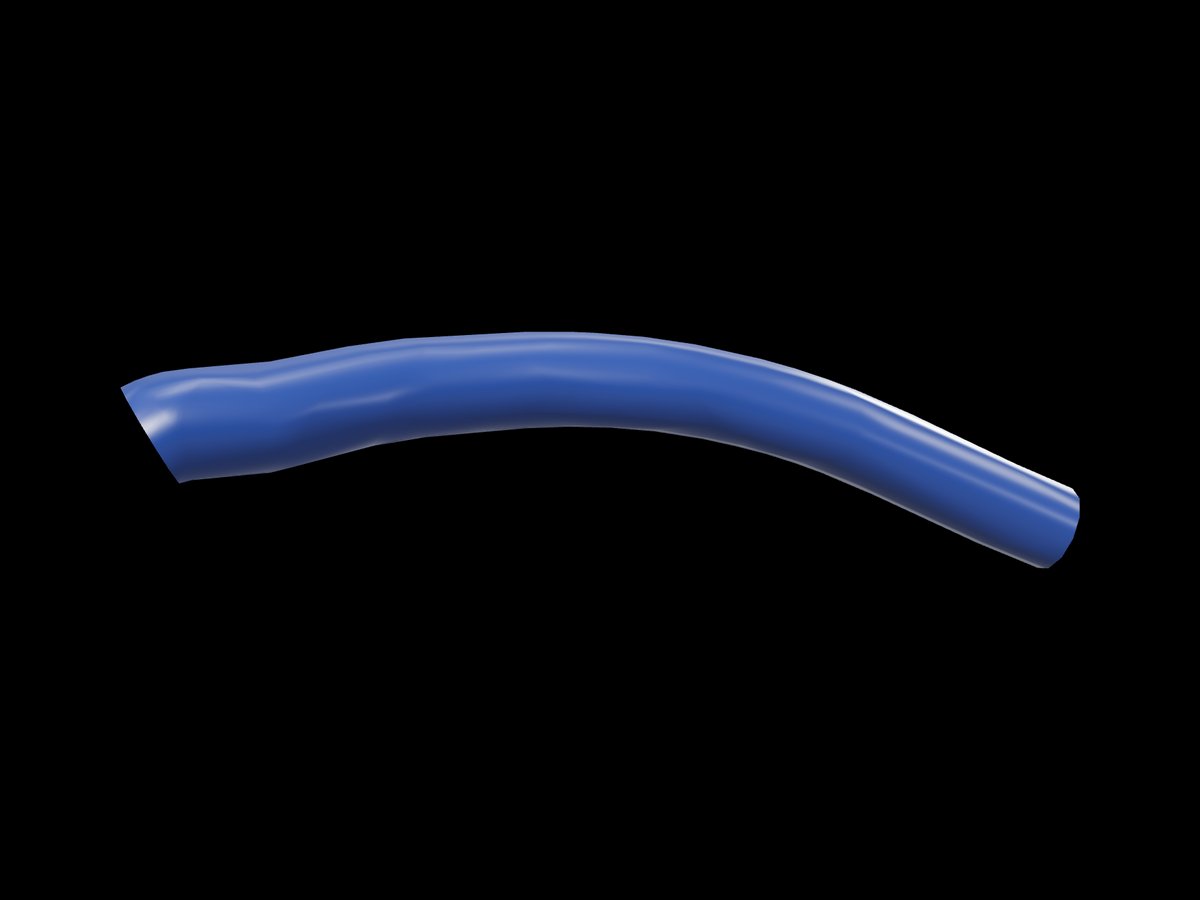
The left subclavian vein carries blood from the left arm and receives the thoracic duct at its junction with the internal jugular vein.
Other names: Vena subclavia sinistra (Latin) · Veine sous-clavière gauche (French) · Vena subclavia izquierda (Spanish) · Veia subclávia esquerda (Portuguese)
Key facts
- Type
- Large vein
- Drains
- Left upper limb, neck and shoulder, and lymph from most of the body via the thoracic duct
- Tributaries
- Axillary vein, external jugular vein; the thoracic duct opens near its junction with the internal jugular vein
- Course
- Continues the axillary vein at the outer border of the first rib, runs behind the clavicle in front of scalenus anterior and joins the left internal jugular vein to form the left brachiocephalic vein.
- Function
- Carries blood from the left arm to the left venous angle, where lymph from most of the body enters the bloodstream through the thoracic duct.
Clinical notes
- Pacemaker leads are often passed through it
- Cancer cells carried in the thoracic duct can spread to the lymph node beside its end (Virchow's node)
Quick answers
What is the course of the left subclavian vein?
Continues the axillary vein at the outer border of the first rib, runs behind the clavicle in front of scalenus anterior and joins the left internal jugular vein to form the left brachiocephalic vein.
What are the tributaries of the left subclavian vein?
Axillary vein, external jugular vein; the thoracic duct opens near its junction with the internal jugular vein
What does the left subclavian vein drain?
Left upper limb, neck and shoulder, and lymph from most of the body via the thoracic duct
Notes written for anatmy3d and checked against Gray’s Anatomy, Moore’s Clinically Oriented Anatomy and Netter. Last reviewed .