Digestive systemDigestive system
Liver
Hepar
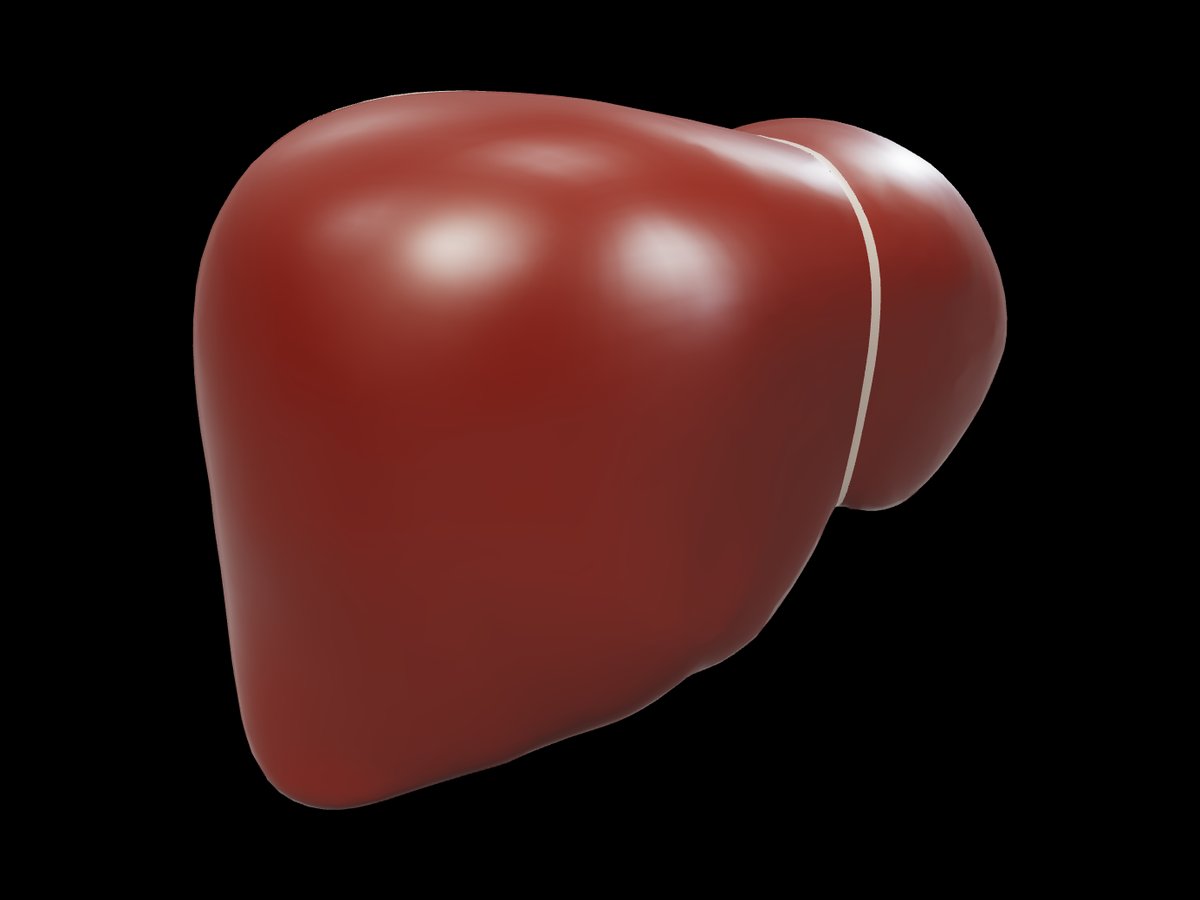
The liver is the largest internal organ and gland. It processes nutrients from the gut, makes bile and many proteins, stores energy and removes toxins and medicines from the blood.
Other names: Hepar (Latin) · Foie (French) · Hígado (Spanish) · Fígado (Portuguese)
Key facts
- Type
- Solid digestive organ and gland
- Nerve supply
- Vagus nerves and coeliac plexus; the capsule is sensitive to stretch
- Arterial supply
- Hepatic artery (about a quarter of the blood) and portal vein (about three-quarters)
- Function
- Metabolises carbohydrates, fats and proteins; makes bile, albumin and clotting factors; stores glycogen, iron and vitamins; breaks down toxins, drugs and old red blood cells.
Location and relations
Upper right abdomen under the diaphragm, protected by the lower ribs, extending across the midline to the left.
Parts and features
- Right, left, caudate and quadrate lobes (anatomical)
- Eight functional segments (Couinaud) based on blood supply and drainage
- Porta hepatis, where the portal vein, hepatic artery and bile ducts enter or leave
Clinical notes
- Cirrhosis (scarring) from alcohol, fatty liver disease or viral hepatitis leads to liver failure and portal hypertension
- It can regrow after part of it is removed, which allows living donor liver transplantation
- Liver pain is often felt in the right shoulder through the phrenic nerve
Quick answers
Where is the liver located?
Upper right abdomen under the diaphragm, protected by the lower ribs, extending across the midline to the left.
What does the liver do?
Metabolises carbohydrates, fats and proteins; makes bile, albumin and clotting factors; stores glycogen, iron and vitamins; breaks down toxins, drugs and old red blood cells.
What is the nerve supply of the liver?
Vagus nerves and coeliac plexus; the capsule is sensitive to stretch
What is the blood supply of the liver?
Hepatic artery (about a quarter of the blood) and portal vein (about three-quarters)
Notes written for anatmy3d and checked against Gray’s Anatomy, Moore’s Clinically Oriented Anatomy and Netter. Last reviewed .