Gingiva
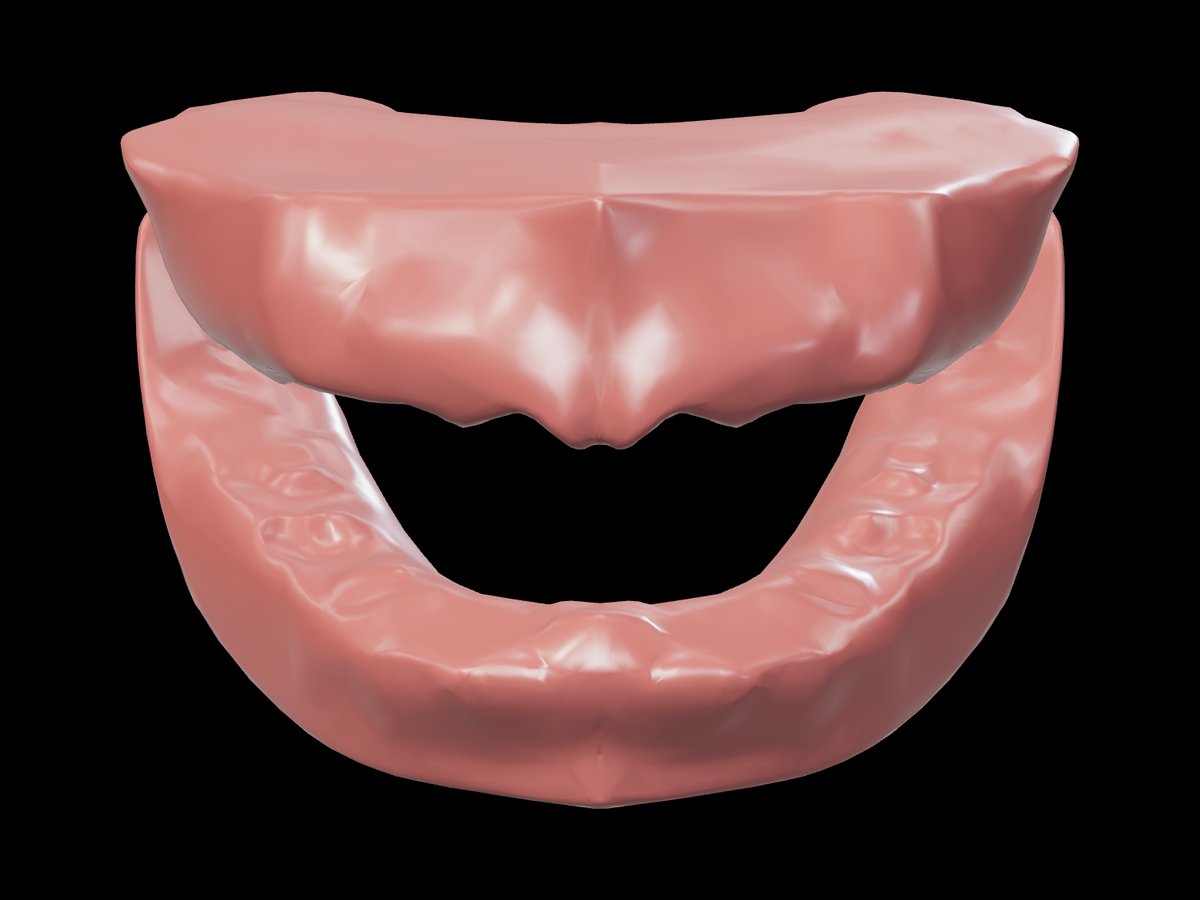
The gingiva (gums) is the firm pink tissue that surrounds the necks of the teeth and covers the tooth-bearing parts of the jaws.
Other names: Gencive (French) · Gengiva (Portuguese)
Key facts
- Type
- Oral mucosa (masticatory)
- Nerve supply
- Branches of the maxillary and mandibular nerves
- Function
- Seals the tooth sockets against bacteria and withstands the friction of chewing.
Location and relations
Around the teeth on the alveolar processes of the maxilla and mandible, joined to the teeth at the gum margin.
Parts and features
- Free gingiva and the gingival sulcus around each tooth
- Attached gingiva bound to bone
- Interdental papillae between teeth
Clinical notes
- Gingivitis (red, bleeding gums) is caused by plaque and is reversible; untreated it can progress to periodontitis with bone loss and tooth loosening
- Gum overgrowth can be caused by some medicines (such as phenytoin and ciclosporin)
Quick answers
Where is the gingiva located?
Around the teeth on the alveolar processes of the maxilla and mandible, joined to the teeth at the gum margin.
What does the gingiva do?
Seals the tooth sockets against bacteria and withstands the friction of chewing.
What is the nerve supply of the gingiva?
Branches of the maxillary and mandibular nerves
Notes written for anatmy3d and checked against Gray’s Anatomy, Moore’s Clinically Oriented Anatomy and Netter. Last reviewed .