Joints and ligamentsKnee joint
Medial meniscus
Meniscus medialis
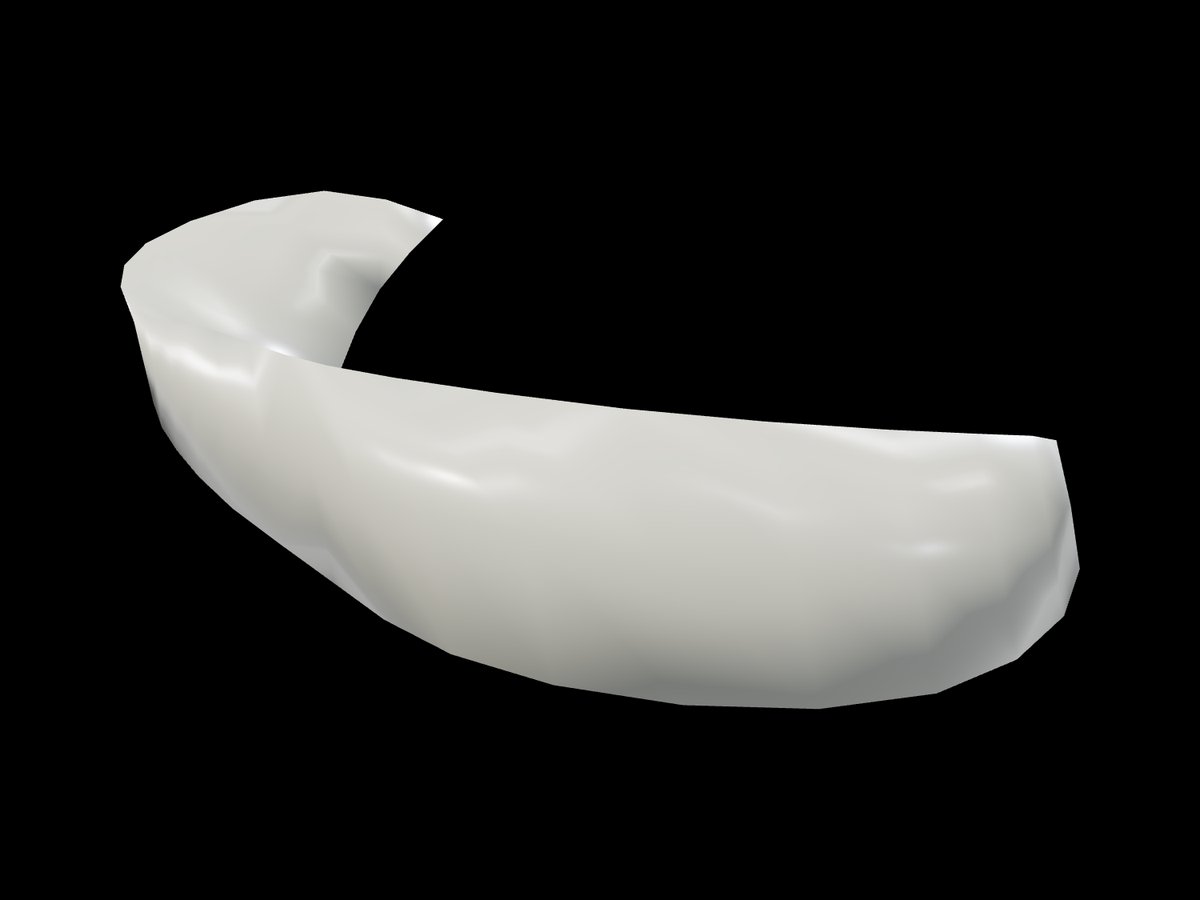
The medial meniscus is a C-shaped wedge of fibrocartilage on the inner tibial plateau. It is firmly fixed to the joint capsule and the deep tibial collateral ligament, which makes it less mobile and more often torn than the lateral meniscus.
Other names: Meniscus medialis (Latin) · Ménisque médial (French) · Menisco medial (Spanish, Portuguese)
Key facts
- Type
- Intra-articular fibrocartilage (meniscus)
- Arterial supply
- Medial genicular arteries supply the outer third (red zone); the inner part is avascular (white zone)
- Function
- Spreads body weight over a larger area, absorbs shock, deepens the tibial surface, adds stability and helps lubricate the joint.
Location and relations
Medial tibial plateau; its anterior horn attaches in front of the anterior cruciate ligament, its posterior horn in front of the posterior cruciate ligament. Wider behind than in front.
Clinical notes
- Torn by twisting on a bent, weight-bearing knee; symptoms are joint-line pain, swelling, clicking and locking
- A bucket-handle tear can flip into the joint and lock the knee
- Tears in the outer, vascular part can heal or be repaired; inner tears are usually trimmed
- Loss of the meniscus speeds up osteoarthritis
Quick answers
Where is the medial meniscus located?
Medial tibial plateau; its anterior horn attaches in front of the anterior cruciate ligament, its posterior horn in front of the posterior cruciate ligament. Wider behind than in front.
What does the medial meniscus do?
Spreads body weight over a larger area, absorbs shock, deepens the tibial surface, adds stability and helps lubricate the joint.
What is the blood supply of the medial meniscus?
Medial genicular arteries supply the outer third (red zone); the inner part is avascular (white zone)
Notes written for anatmy3d and checked against Gray’s Anatomy, Moore’s Clinically Oriented Anatomy and Netter. Last reviewed .