Joints and ligamentsKnee joint
Posterior cruciate ligament
Ligamentum decussatum posterius
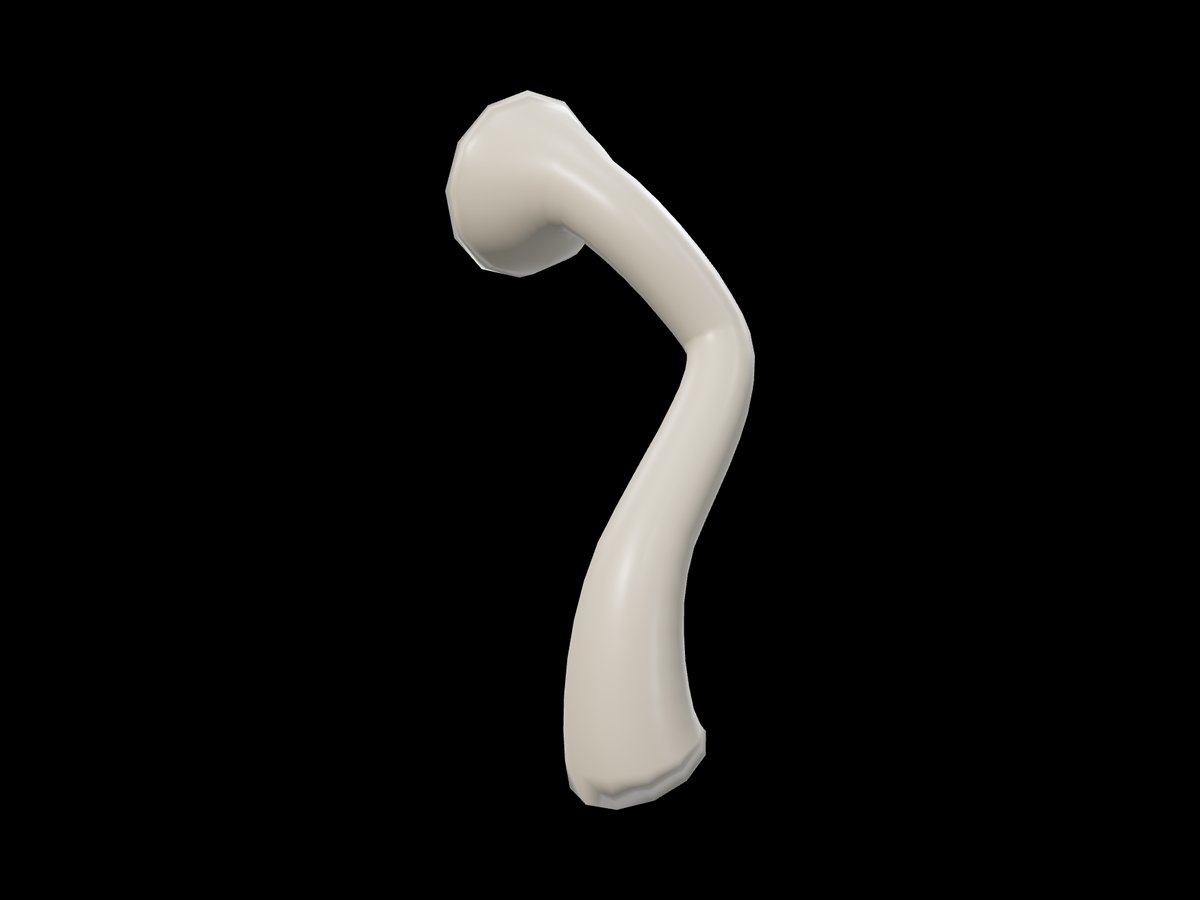
The posterior cruciate ligament (PCL) runs inside the knee from the back of the tibia up and forward to the inner side of the medial femoral condyle. It is thicker and stronger than the ACL and stops the tibia sliding backwards.
Other names: Ligamentum decussatum posterius (Latin) · Ligament croisé postérieur (French) · Ligamento cruzado posterior (Spanish, Portuguese)
Key facts
- Type
- Intracapsular, extrasynovial ligament (anterolateral and posteromedial bundles)
- Arterial supply
- Middle genicular artery
- Function
- Prevents backward displacement of the tibia on the femur; main stabiliser of the bent, weight-bearing knee (for example walking downhill); tight in flexion.
Location and relations
From the posterior intercondylar area of the tibia, extending onto its back surface, to the lateral surface of the medial femoral condyle.
Clinical notes
- Torn by a blow to the front of the bent knee (dashboard injury) or a fall onto the bent knee
- The tibia sags backwards when the knee is bent (posterior sag sign); posterior drawer test
- Many isolated tears are treated with rehabilitation; combined injuries may need reconstruction
Quick answers
Where is the posterior cruciate ligament located?
From the posterior intercondylar area of the tibia, extending onto its back surface, to the lateral surface of the medial femoral condyle.
What does the posterior cruciate ligament do?
Prevents backward displacement of the tibia on the femur; main stabiliser of the bent, weight-bearing knee (for example walking downhill); tight in flexion.
What is the blood supply of the posterior cruciate ligament?
Middle genicular artery
Notes written for anatmy3d and checked against Gray’s Anatomy, Moore’s Clinically Oriented Anatomy and Netter. Last reviewed .