Palatopharyngeus muscle
Musculus palatopharyngeus
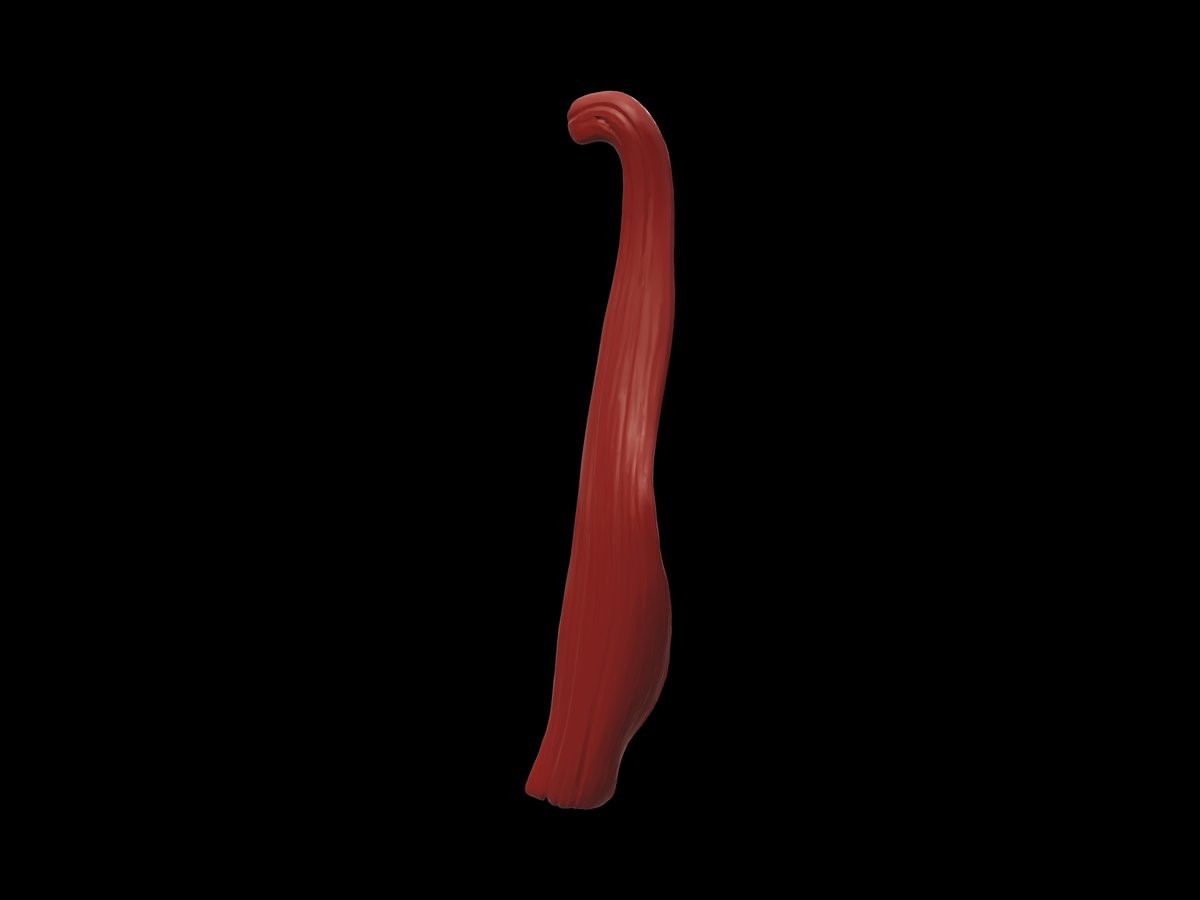
Palatopharyngeus runs from the soft palate down into the wall of the pharynx, forming the palatopharyngeal arch (the back pillar of the tonsil). It helps close off the nose from the throat in swallowing.
Other names: Musculus palatopharyngeus (Latin) · Muscle palatopharyngien (French) · Músculo palatofaríngeo (Spanish, Portuguese)
Key facts
- Origin
- Hard palate and palatine aponeurosis
- Insertion
- Lateral wall of the pharynx and posterior border of the thyroid cartilage
- Action
- Tenses the soft palate; pulls the pharynx up in swallowing
- Nerve supply
- Pharyngeal plexus (vagus, CN X)
- Arterial supply
- Ascending palatine and ascending pharyngeal arteries
- Function
- Pulls the pharynx up and the palatopharyngeal folds together, narrowing the opening from the mouth to the throat during swallowing.
Location and relations
Within the posterior pillar of the fauces, behind the palatine tonsil.
Clinical notes
- Supplied by the pharyngeal plexus (vagus nerve)
- Reshaped in some operations for snoring and sleep apnoea
Quick answers
What are the origin and insertion of the palatopharyngeus muscle?
Origin: Hard palate and palatine aponeurosis. Insertion: Lateral wall of the pharynx and posterior border of the thyroid cartilage.
What does the palatopharyngeus muscle do?
Tenses the soft palate; pulls the pharynx up in swallowing
What is the nerve supply of the palatopharyngeus muscle?
Pharyngeal plexus (vagus, CN X)
What is the blood supply of the palatopharyngeus muscle?
Ascending palatine and ascending pharyngeal arteries
Where is the palatopharyngeus muscle located?
Within the posterior pillar of the fauces, behind the palatine tonsil.
Notes written for anatmy3d and checked against Gray’s Anatomy, Moore’s Clinically Oriented Anatomy and Netter. Last reviewed .