Vagus nerve (X)
Nervus vagus (X)
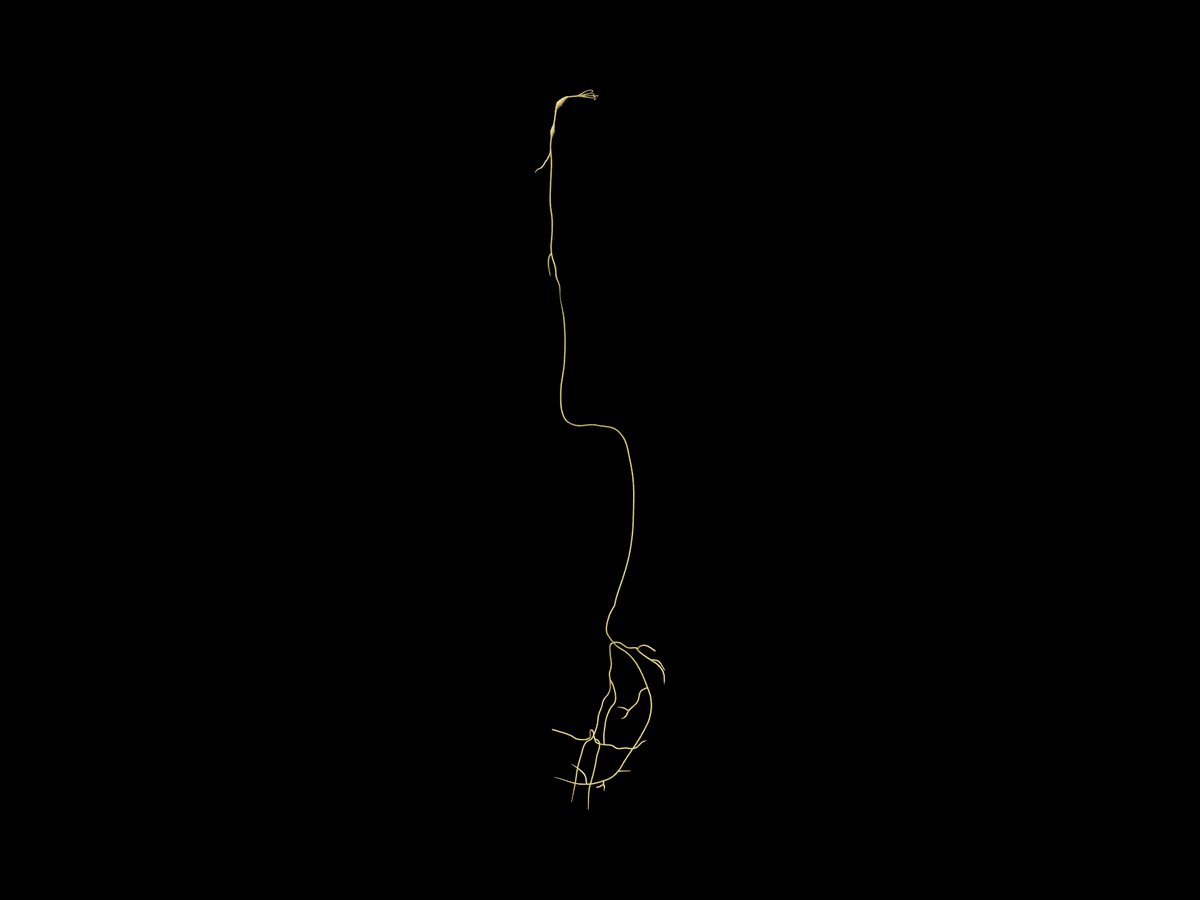
The vagus nerve is the longest cranial nerve, wandering from the brainstem through the neck and chest into the abdomen. It carries most of the parasympathetic supply to the heart, lungs and gut and controls the muscles of the throat and voice box.
Other names: Nervus vagus (X) (Latin) · Nerf vague (X) (French) · Nervio vago (X) (Spanish) · Nervo vago (X) (Portuguese)
Key facts
- Type
- Cranial nerve X (motor, sensory and parasympathetic)
- Branches
- Auricular, pharyngeal, superior laryngeal and recurrent laryngeal nerves; cardiac, pulmonary and oesophageal branches; anterior and posterior vagal trunks to the abdominal organs
- Course
- Leaves the medulla behind the olive, exits through the jugular foramen, descends in the carotid sheath, crosses the root of the neck (the right in front of the subclavian artery, the left in front of the aortic arch), passes behind the lung roots and onto the oesophagus, and enters the abdomen through the oesophageal opening.
- Function
- Swallowing and speaking (pharynx, larynx, soft palate); slowing the heart; airway constriction and secretion; gut movement and secretion as far as the transverse colon; sensation from the larynx, gut and ear canal.
Clinical notes
- Damage causes hoarseness, difficulty swallowing and a soft palate that pulls away from the weak side
- A reflex surge of vagal activity slows the heart while sympathetic tone to the blood vessels falls, causing fainting (vasovagal syncope)
- Vagus nerve stimulators are used for some types of epilepsy and depression
Quick answers
What is the course of the vagus nerve (X)?
Leaves the medulla behind the olive, exits through the jugular foramen, descends in the carotid sheath, crosses the root of the neck (the right in front of the subclavian artery, the left in front of the aortic arch), passes behind the lung roots and onto the oesophagus, and enters the abdomen through the oesophageal opening.
What does the vagus nerve (X) do?
Swallowing and speaking (pharynx, larynx, soft palate); slowing the heart; airway constriction and secretion; gut movement and secretion as far as the transverse colon; sensation from the larynx, gut and ear canal.
What are the branches of the vagus nerve (X)?
Auricular, pharyngeal, superior laryngeal and recurrent laryngeal nerves; cardiac, pulmonary and oesophageal branches; anterior and posterior vagal trunks to the abdominal organs
Notes written for anatmy3d and checked against Gray’s Anatomy, Moore’s Clinically Oriented Anatomy and Netter. Last reviewed .