Piriformis muscle
Musculus piriformis
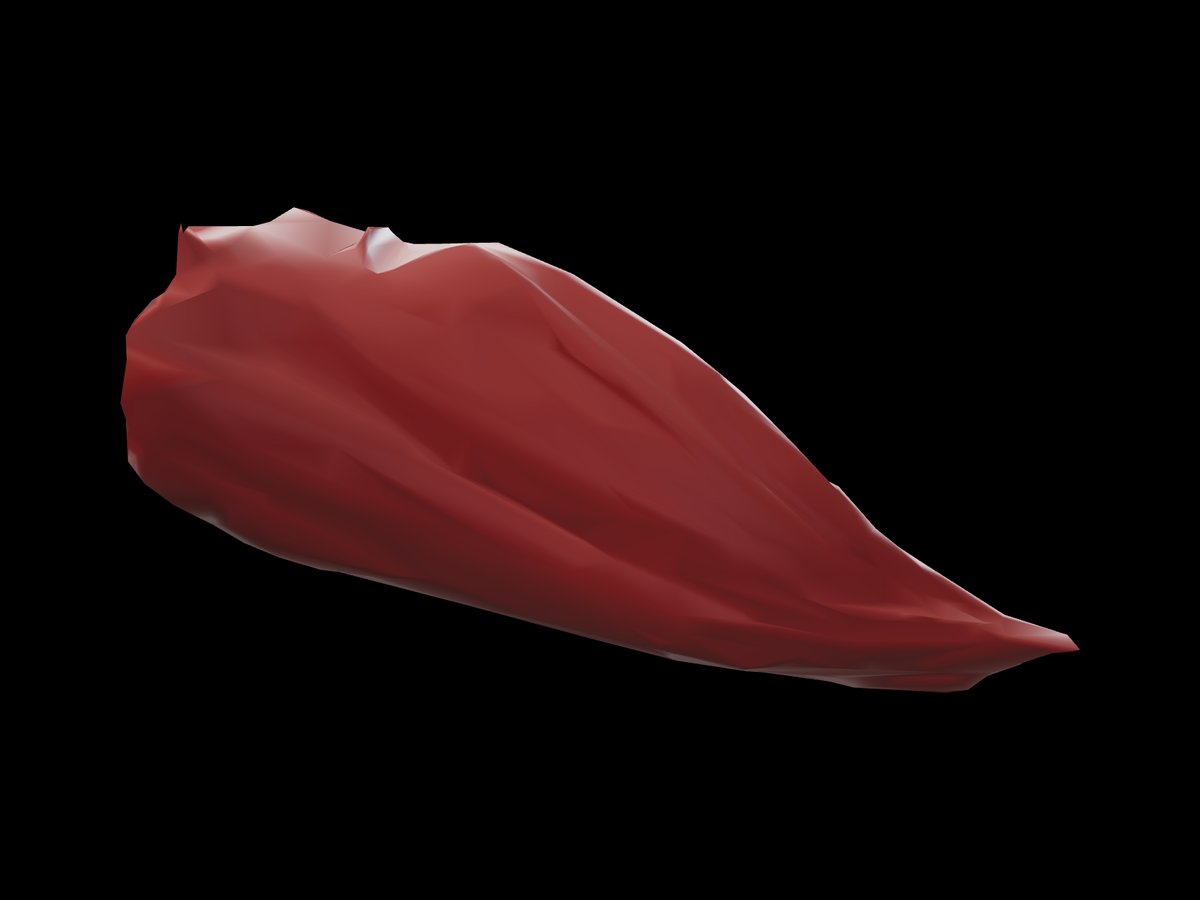
Piriformis is a pear-shaped muscle running from the front of the sacrum through the greater sciatic foramen to the greater trochanter. It is the key landmark of the buttock: every nerve and vessel leaving the pelvis there is named for passing above or below it.
Other names: Musculus piriformis (Latin) · Muscle piriforme (French) · Músculo piriforme (Spanish, Portuguese)
The same notes are on the main page: Piriformis muscle (Muscles).
Key facts
- Origin
- Anterior surface of the sacrum (S2–S4) and the sacrotuberous ligament
- Insertion
- Superior border of the greater trochanter
- Action
- Laterally rotates the extended thigh; abducts the flexed thigh; steadies the femoral head
- Nerve supply
- Nerve to piriformis (S1–S2)
- Arterial supply
- Superior and inferior gluteal arteries
- Function
- Laterally rotates the extended hip and abducts the flexed hip; steadies the femoral head.
Location and relations
Deep buttock, deep to gluteus maximus; the superior gluteal nerve and vessels pass above it, the sciatic nerve, inferior gluteal and pudendal nerves and vessels below it.
Clinical notes
- Piriformis syndrome: the sciatic nerve is irritated by the muscle, causing buttock pain and sciatica-like symptoms; in some people part of the nerve passes through the muscle
Quick answers
What are the origin and insertion of the piriformis muscle?
Origin: Anterior surface of the sacrum (S2–S4) and the sacrotuberous ligament. Insertion: Superior border of the greater trochanter.
What does the piriformis muscle do?
Laterally rotates the extended thigh; abducts the flexed thigh; steadies the femoral head
What is the nerve supply of the piriformis muscle?
Nerve to piriformis (S1–S2)
What is the blood supply of the piriformis muscle?
Superior and inferior gluteal arteries
Where is the piriformis muscle located?
Deep buttock, deep to gluteus maximus; the superior gluteal nerve and vessels pass above it, the sciatic nerve, inferior gluteal and pudendal nerves and vessels below it.
Notes written for anatmy3d and checked against Gray’s Anatomy, Moore’s Clinically Oriented Anatomy and Netter. Last reviewed .