Digestive systemDigestive system
Gallbladder
Vesica biliaris
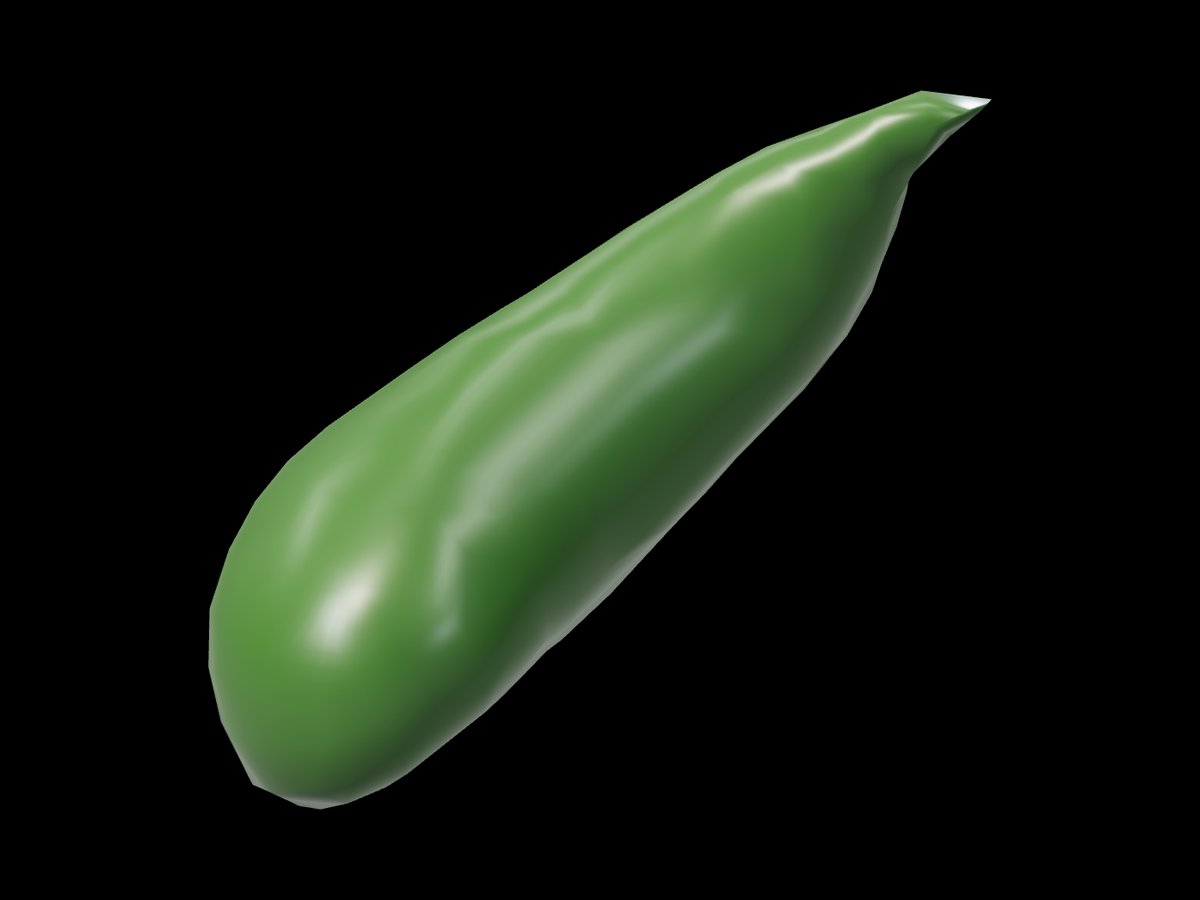
The gallbladder is a small pear-shaped sac under the liver that stores and concentrates bile and squeezes it into the duodenum after fatty meals.
Other names: Vesica biliaris (Latin) · Vésicule biliaire (French) · Vesícula biliar (Spanish, Portuguese)
Key facts
- Type
- Digestive organ (bile reservoir)
- Nerve supply
- Coeliac plexus and vagus; pain can be referred to the right shoulder
- Arterial supply
- Cystic artery (usually from the right hepatic artery)
- Function
- Stores and concentrates bile, releasing it when the hormone cholecystokinin is released after eating.
Location and relations
In a shallow fossa on the underside of the liver between segments IV and V; its fundus touches the abdominal wall at the tip of the right ninth costal cartilage.
Parts and features
Fundus, body, neck, cystic duct
Surface anatomy
Tenderness under the right ribs that stops breathing in (Murphy sign) suggests inflammation.
Clinical notes
- Gallstones are very common; they can cause biliary colic, inflammation (cholecystitis), jaundice or pancreatitis
- Removal (cholecystectomy), usually by keyhole surgery, is one of the commonest operations; the bile duct must be clearly identified to avoid injury
Quick answers
Where is the gallbladder located?
In a shallow fossa on the underside of the liver between segments IV and V; its fundus touches the abdominal wall at the tip of the right ninth costal cartilage.
What does the gallbladder do?
Stores and concentrates bile, releasing it when the hormone cholecystokinin is released after eating.
What is the nerve supply of the gallbladder?
Coeliac plexus and vagus; pain can be referred to the right shoulder
What is the blood supply of the gallbladder?
Cystic artery (usually from the right hepatic artery)
Notes written for anatmy3d and checked against Gray’s Anatomy, Moore’s Clinically Oriented Anatomy and Netter. Last reviewed .