Digestive systemExtrahepatic bile ducts
Bile duct
Ductus biliaris
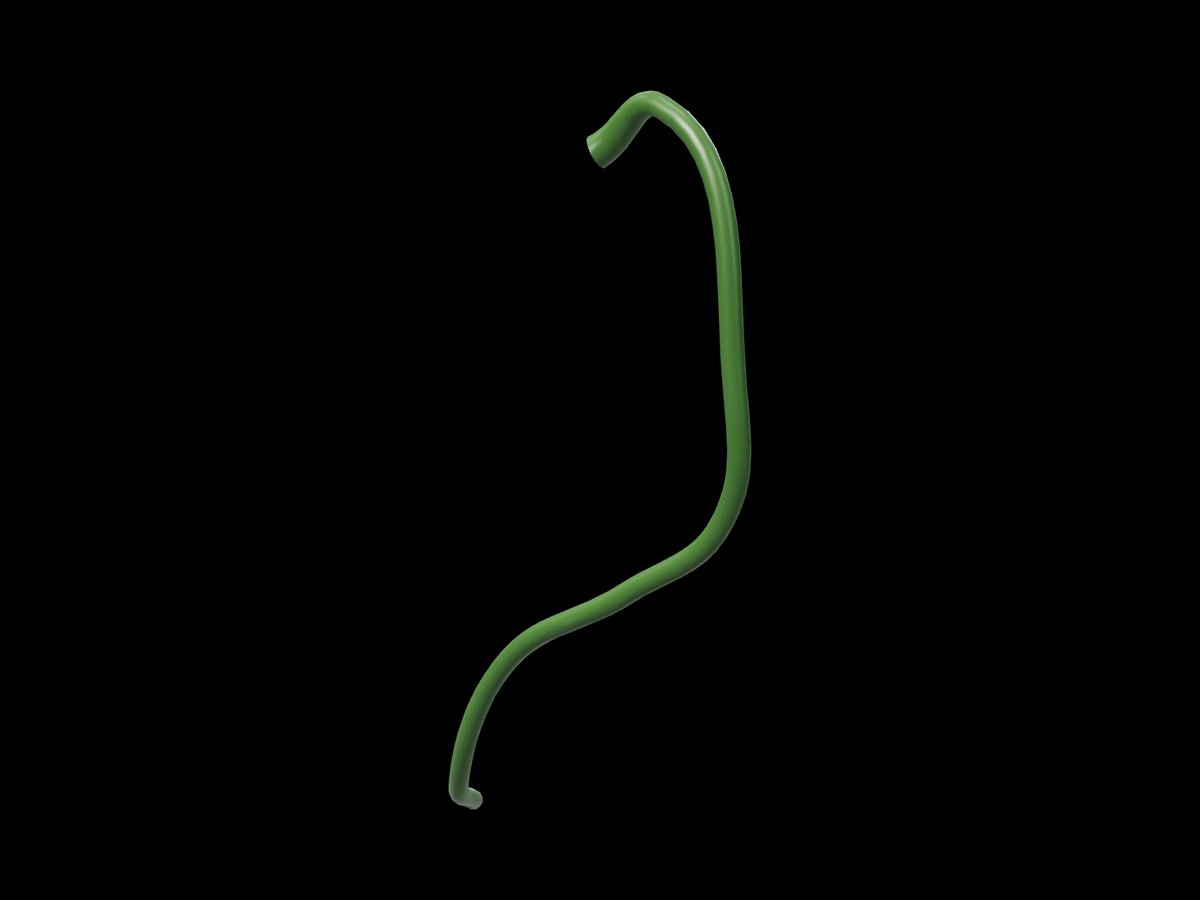
The (common) bile duct carries bile from the liver and gallbladder to the duodenum. It is formed by the joining of the common hepatic duct and the cystic duct.
Other names: Ductus biliaris (Latin) · Canal biliaire (French) · Conducto biliar (Spanish) · Ducto biliar (Portuguese)
Key facts
- Type
- Bile duct
- Course
- Descends in the free edge of the lesser omentum, passes behind the first part of the duodenum and through the head of the pancreas, and joins the pancreatic duct to open at the major duodenal papilla, controlled by the sphincter of Oddi.
- Function
- Delivers bile for fat digestion and excretion of bilirubin.
Clinical notes
- Stones or cancers (of the pancreatic head or bile duct) block it, causing jaundice, dark urine and pale stools
- Stones are removed endoscopically (ERCP)
- Injury during gallbladder surgery is a serious complication
Notes written for anatmy3d and checked against Gray’s Anatomy, Moore’s Clinically Oriented Anatomy and Netter. Last reviewed .