Brain and spinal cordTelencephalon
Stria terminalis
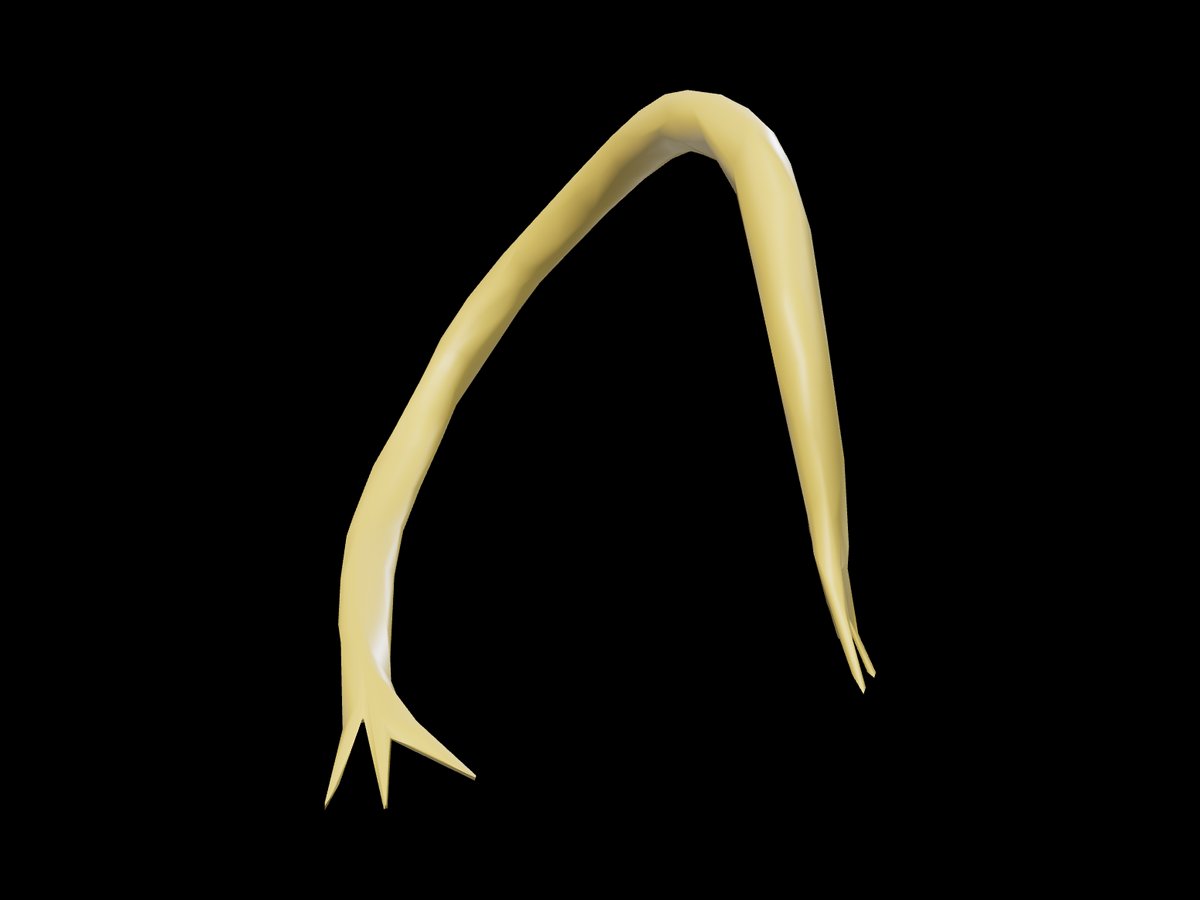
The stria terminalis is a slender bundle of fibres running in the groove between the caudate nucleus and the thalamus. It is the main output pathway of the amygdala.
Other names: Strie terminale (French)
Key facts
- Type
- White matter tract (limbic system)
- Function
- Carries signals from the amygdala to the hypothalamus and septal area, controlling stress and anxiety responses; its bed nucleus is involved in long-lasting anxiety.
Location and relations
Curves alongside the caudate nucleus from the amygdala in the temporal lobe, around the floor of the lateral ventricle, to the septal area and hypothalamus.
Clinical notes
- The bed nucleus of the stria terminalis has been studied in anxiety disorders
Quick answers
Where is the stria terminalis located?
Curves alongside the caudate nucleus from the amygdala in the temporal lobe, around the floor of the lateral ventricle, to the septal area and hypothalamus.
What does the stria terminalis do?
Carries signals from the amygdala to the hypothalamus and septal area, controlling stress and anxiety responses; its bed nucleus is involved in long-lasting anxiety.
Notes written for anatmy3d and checked against Gray’s Anatomy, Moore’s Clinically Oriented Anatomy and Netter. Last reviewed .