NervesThoracolumbar part of the autonomic division
Sympathetic trunk
Truncus sympathicus
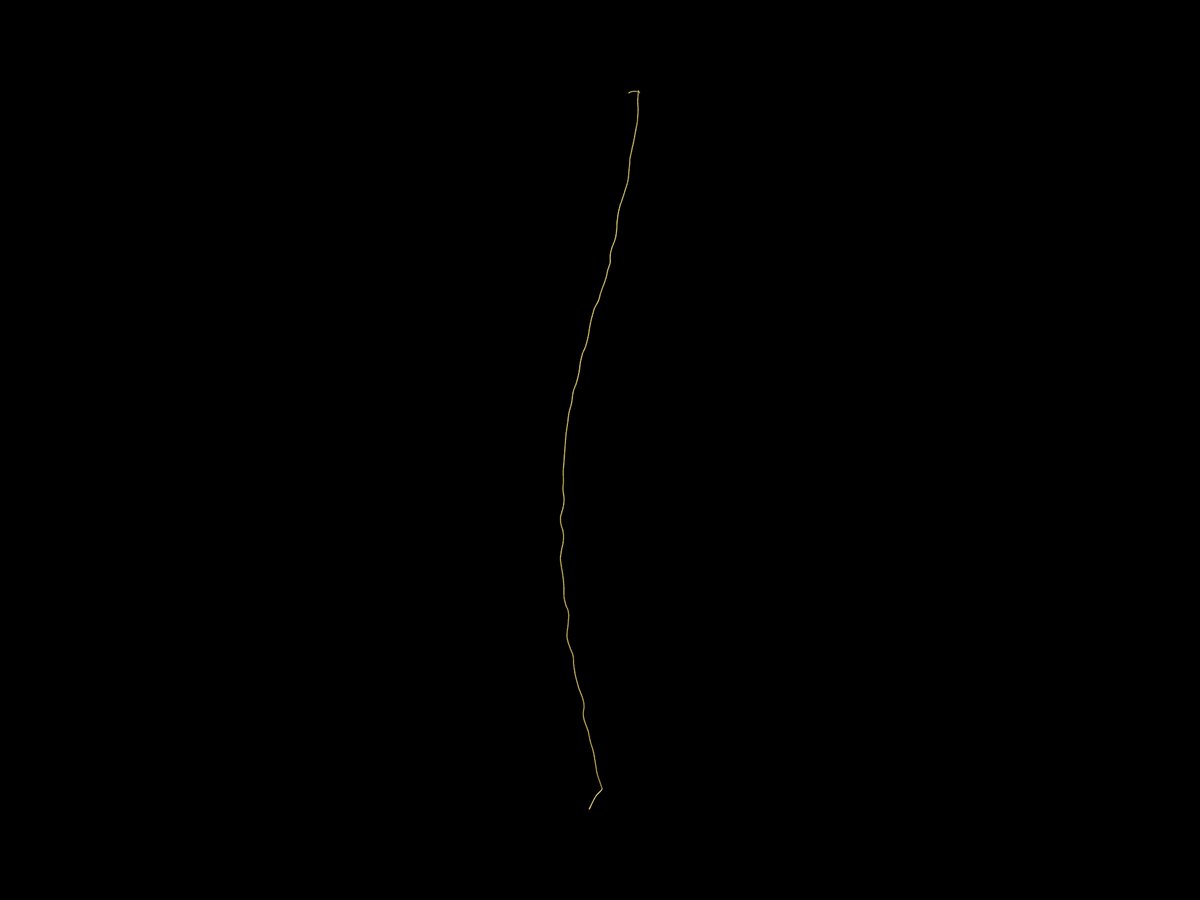
The sympathetic trunks are two chains of nerve ganglia running down each side of the spine from the skull base to the coccyx. They distribute sympathetic ("fight or flight") nerves throughout the body.
Other names: Truncus sympathicus (Latin) · Tronc sympathique (French) · Tronco simpático (Spanish, Portuguese)
Key facts
- Type
- Part of the autonomic nervous system
- Function
- Receives preganglionic fibres from T1–L2 and sends postganglionic fibres to every spinal nerve and to the head, heart and lungs; fibres for the abdominal and pelvic organs pass through it without relaying, as splanchnic nerves to the prevertebral ganglia.
Location and relations
Beside the vertebral bodies: in the neck behind the carotid sheath, in the chest over the rib heads, in the abdomen along the vertebral bodies, and in the pelvis in front of the sacrum; the two trunks meet in front of the coccyx at the ganglion impar.
Clinical notes
- Damage to the cervical part causes Horner syndrome: drooping eyelid, small pupil and reduced sweating on that side of the face
- Cutting or clipping the upper thoracic trunk (sympathectomy) treats severe sweating of the hands
Quick answers
What does the sympathetic trunk do?
Receives preganglionic fibres from T1–L2 and sends postganglionic fibres to every spinal nerve and to the head, heart and lungs; fibres for the abdominal and pelvic organs pass through it without relaying, as splanchnic nerves to the prevertebral ganglia.
Where is the sympathetic trunk located?
Beside the vertebral bodies: in the neck behind the carotid sheath, in the chest over the rib heads, in the abdomen along the vertebral bodies, and in the pelvis in front of the sacrum; the two trunks meet in front of the coccyx at the ganglion impar.
Notes written for anatmy3d and checked against Gray’s Anatomy, Moore’s Clinically Oriented Anatomy and Netter. Last reviewed .