Trigeminal nerve (V)
Nervus trigeminus (V)
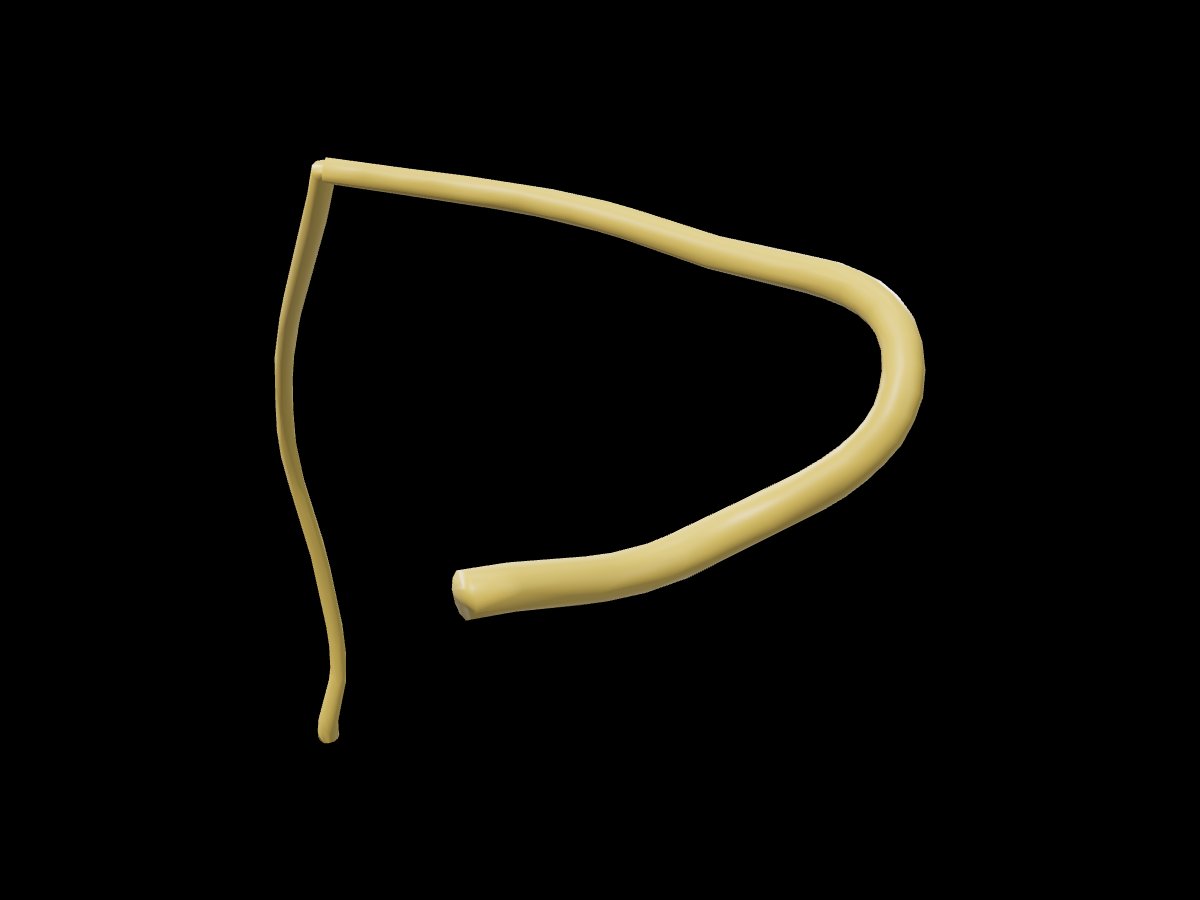
The trigeminal nerve is the largest cranial nerve. It carries sensation from the face, mouth and much of the scalp, and controls the muscles of chewing.
Other names: Nervus trigeminus (V) (Latin) · Nerf trijumeau (V) (French) · Nervio trigémino (V) (Spanish) · Nervo trigêmeo (V) (Portuguese)
Key facts
- Type
- Cranial nerve V (sensory and motor)
- Branches
- Ophthalmic (V1), maxillary (V2) and mandibular (V3) nerves
- Course
- Leaves the side of the pons as a large sensory root and a small motor root, crosses the petrous apex to the trigeminal ganglion in a pocket of dura (Meckel's cave) and divides into the ophthalmic, maxillary and mandibular nerves.
- Function
- Sensation of the face, eyes, nose, mouth, teeth and the front two-thirds of the tongue (general sensation, not taste), and the dura; motor supply to the muscles of mastication and a few others.
Clinical notes
- Trigeminal neuralgia causes brief electric-shock pains in the face, often triggered by touch or chewing, and is commonly due to a blood vessel pressing on the root
- Shingles of the ophthalmic division can affect the eye and needs urgent treatment
Quick answers
What is the course of the trigeminal nerve (V)?
Leaves the side of the pons as a large sensory root and a small motor root, crosses the petrous apex to the trigeminal ganglion in a pocket of dura (Meckel's cave) and divides into the ophthalmic, maxillary and mandibular nerves.
What does the trigeminal nerve (V) do?
Sensation of the face, eyes, nose, mouth, teeth and the front two-thirds of the tongue (general sensation, not taste), and the dura; motor supply to the muscles of mastication and a few others.
What are the branches of the trigeminal nerve (V)?
Ophthalmic (V1), maxillary (V2) and mandibular (V3) nerves
Notes written for anatmy3d and checked against Gray’s Anatomy, Moore’s Clinically Oriented Anatomy and Netter. Last reviewed .