Teres minor muscle
Musculus teres minor
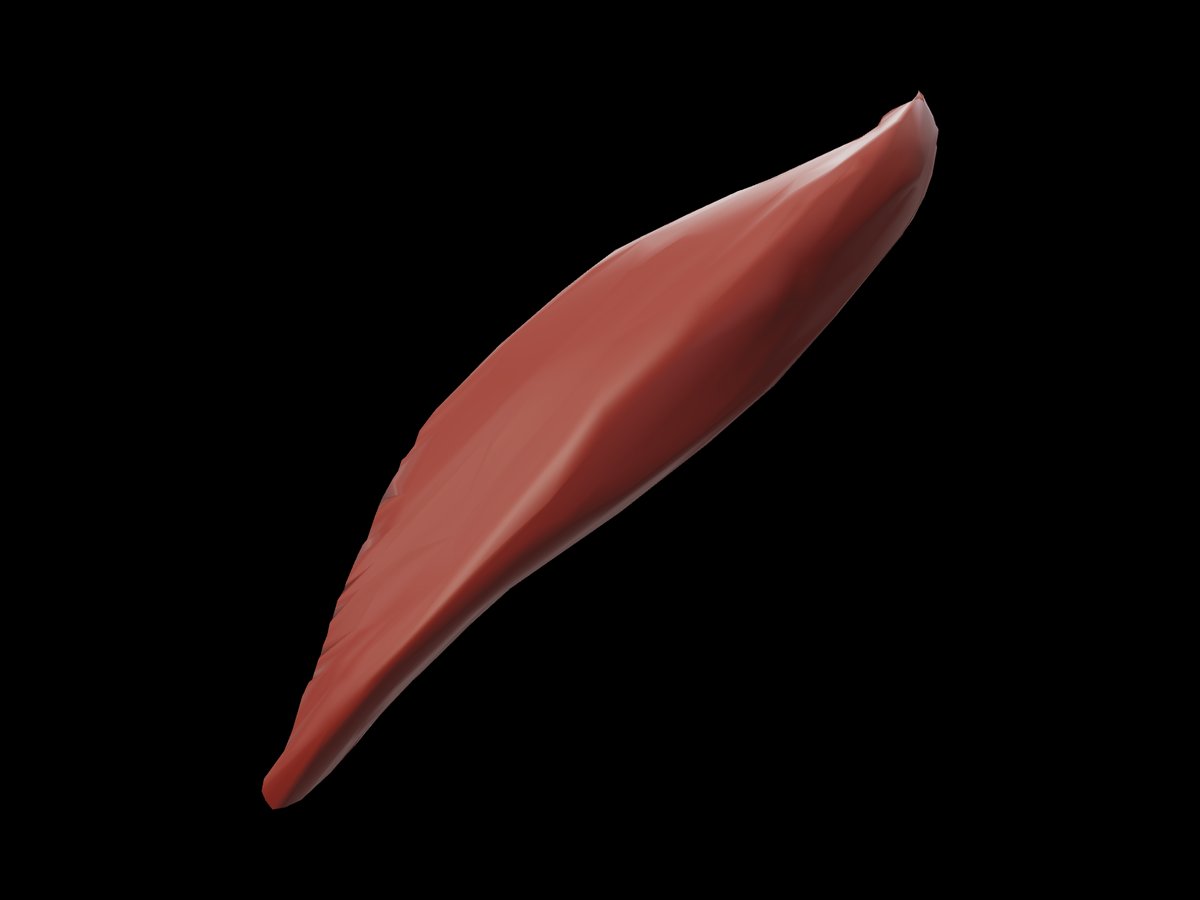
Teres minor is a small, narrow rotator cuff muscle along the lateral border of the scapula. It helps rotate the arm outwards and holds the humeral head in the socket.
Other names: Musculus teres minor (Latin) · Muscle petit rond (French) · Músculo redondo menor (Spanish, Portuguese)
The same notes are on the main page: Teres minor muscle (Muscles).
Key facts
- Origin
- Middle part of the lateral border of the scapula
- Insertion
- Inferior facet of the greater tubercle of the humerus
- Action
- Laterally rotates the arm; stabilises the shoulder (rotator cuff)
- Nerve supply
- Axillary nerve (C5–C6)
- Arterial supply
- Circumflex scapular and posterior circumflex humeral arteries
- Function
- Lateral rotation and slight adduction of the arm; stabilises the shoulder joint.
Location and relations
Runs from the upper lateral border of the scapula to the lowest facet of the greater tubercle, just below infraspinatus; it forms the upper boundary of the quadrangular and triangular spaces.
Surface anatomy
Not separately visible; it lies under the posterior deltoid along the lateral border of the scapula.
Clinical notes
- It is supplied by the axillary nerve (unlike the other rotator cuff muscles), so axillary nerve injury weakens both deltoid and teres minor
Quick answers
What are the origin and insertion of the teres minor muscle?
Origin: Middle part of the lateral border of the scapula. Insertion: Inferior facet of the greater tubercle of the humerus.
What does the teres minor muscle do?
Laterally rotates the arm; stabilises the shoulder (rotator cuff)
What is the nerve supply of the teres minor muscle?
Axillary nerve (C5–C6)
What is the blood supply of the teres minor muscle?
Circumflex scapular and posterior circumflex humeral arteries
Where is the teres minor muscle located?
Runs from the upper lateral border of the scapula to the lowest facet of the greater tubercle, just below infraspinatus; it forms the upper boundary of the quadrangular and triangular spaces.
Notes written for anatmy3d and checked against Gray’s Anatomy, Moore’s Clinically Oriented Anatomy and Netter. Last reviewed .