Digestive systemPeritoneal structures
Greater omentum
Omentum maius
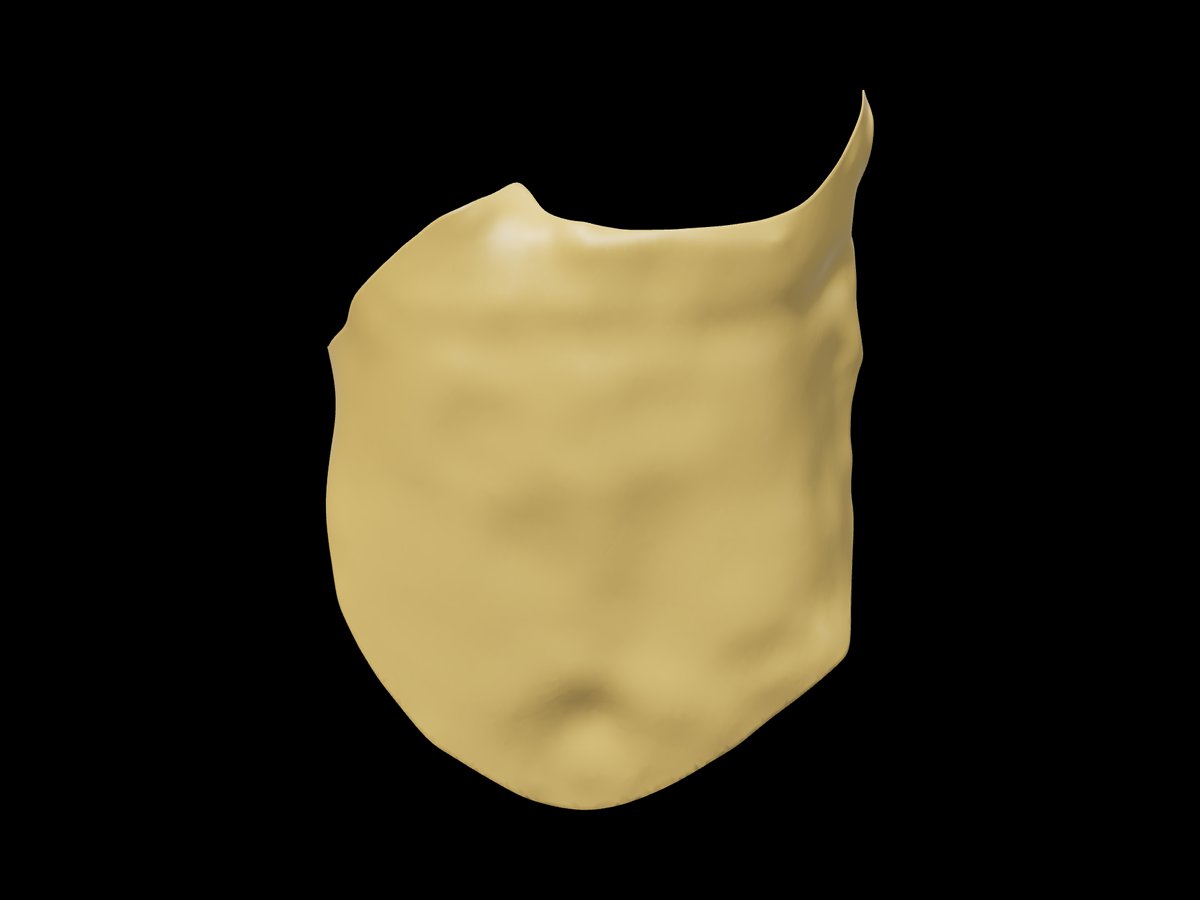
The greater omentum is a large apron of fatty peritoneum hanging from the stomach over the intestines. It helps fight infection and limits its spread in the abdomen.
Other names: Omentum maius (Latin) · Grand omentum (French) · Omento mayor (Spanish) · Maior omento (Portuguese)
Key facts
- Type
- Peritoneal fold
- Arterial supply
- Right and left gastro-omental arteries
- Function
- Stores fat, contains immune cells and wraps around inflamed organs (the "policeman of the abdomen").
Location and relations
Hangs down from the greater curvature of the stomach in front of the small intestine and folds back up to the transverse colon.
Clinical notes
- It often seals off an inflamed appendix or a perforation
- Cancers of the ovary and gut can spread into it ("omental cake")
- It can be moved on its blood supply to fill defects in the chest or abdomen
Quick answers
Where is the greater omentum located?
Hangs down from the greater curvature of the stomach in front of the small intestine and folds back up to the transverse colon.
What does the greater omentum do?
Stores fat, contains immune cells and wraps around inflamed organs (the "policeman of the abdomen").
What is the blood supply of the greater omentum?
Right and left gastro-omental arteries
Notes written for anatmy3d and checked against Gray’s Anatomy, Moore’s Clinically Oriented Anatomy and Netter. Last reviewed .