Superior tarsus
Tarsus superior
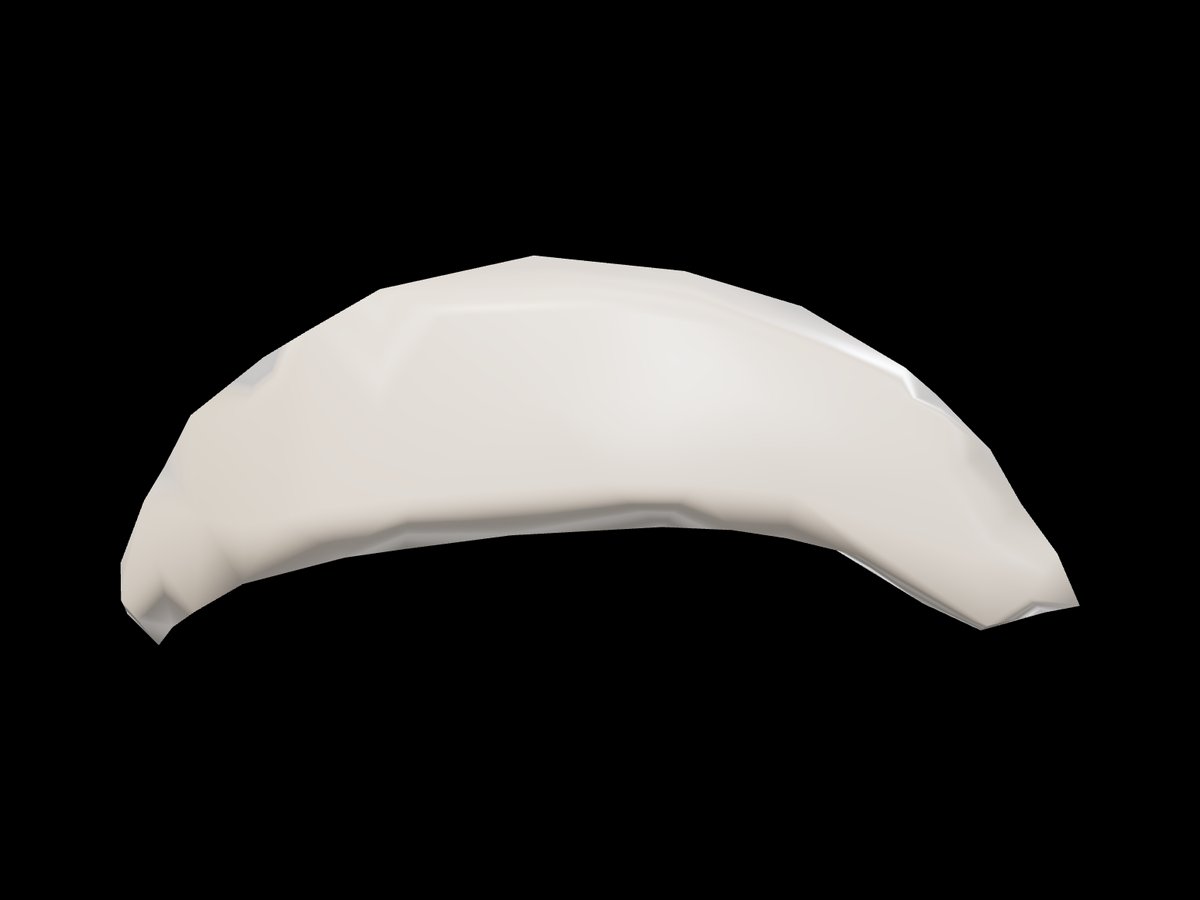
The superior tarsus (upper tarsal plate) is a firm plate of dense connective tissue that gives the upper eyelid its shape and stiffness. It contains the meibomian (tarsal) glands, which make the oily layer of the tear film.
Other names: Tarsus superior (Latin) · Tarse supérieur (French) · Tarso superior (Spanish, Portuguese)
Key facts
- Origin
- Dense connective-tissue plate of the upper eyelid, receiving levator palpebrae superioris and the superior tarsal muscle
- Action
- Gives the upper eyelid its shape; houses the tarsal (meibomian) glands
- Nerve supply
- Superior tarsal muscle: sympathetic fibres
- Arterial supply
- Palpebral arcades of the ophthalmic artery
- Function
- Supports the upper lid; anchors the levator aponeurosis and superior tarsal muscle; houses the tarsal glands.
Location and relations
Within the upper eyelid, behind orbicularis oculi and in front of the conjunctiva; about 10 mm tall at its centre.
Clinical notes
- Blocked meibomian glands cause a chalazion (a painless lump in the lid)
- Meibomian gland dysfunction is a major cause of dry eye
- Everting the upper lid over the tarsus is done to look for foreign bodies
Quick answers
What does the superior tarsus do?
Gives the upper eyelid its shape; houses the tarsal (meibomian) glands
What is the nerve supply of the superior tarsus?
Superior tarsal muscle: sympathetic fibres
What is the blood supply of the superior tarsus?
Palpebral arcades of the ophthalmic artery
Where is the superior tarsus located?
Within the upper eyelid, behind orbicularis oculi and in front of the conjunctiva; about 10 mm tall at its centre.
Notes written for anatmy3d and checked against Gray’s Anatomy, Moore’s Clinically Oriented Anatomy and Netter. Last reviewed .