ArteriesSystemic arteries
Long posterior ciliary arteries
Arteriae ciliares posteriores longae
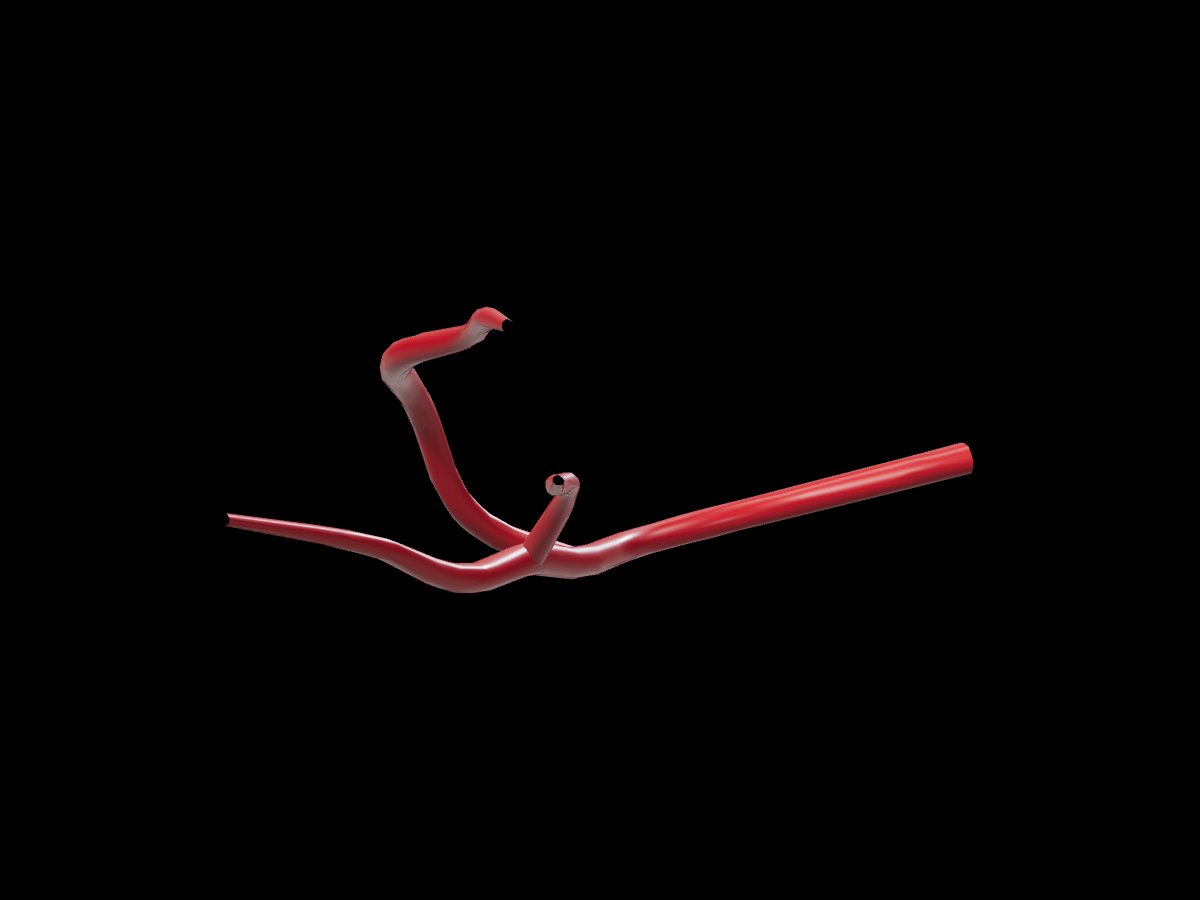
The long posterior ciliary arteries are two arteries that pierce the back of the eyeball and run forward to the front of the eye.
Other names: Arteriae ciliares posteriores longae (Latin) · Artères ciliaires postérieures longues (French) · Arterias ciliares posteriores largas (Spanish) · Artérias ciliares posteriores longas (Portuguese)
Key facts
- Type
- Small arteries
- Supplies
- Ciliary body and iris (forming the major arterial circle of the iris with the anterior ciliary arteries)
- Course
- Arise from the ophthalmic artery, pierce the sclera beside the optic nerve and run forward, one on each side, between the sclera and choroid to the ciliary body.
- Function
- Carry oxygen-rich blood forward between sclera and choroid to the ciliary body and iris, joining the anterior ciliary arteries in the major arterial circle of the iris.
Clinical notes
- Their course at the 3 and 9 o'clock positions is avoided when placing instruments in some eye operations
Quick answers
What is the course of the long posterior ciliary arteries?
Arise from the ophthalmic artery, pierce the sclera beside the optic nerve and run forward, one on each side, between the sclera and choroid to the ciliary body.
What do the long posterior ciliary arteries supply?
Ciliary body and iris (forming the major arterial circle of the iris with the anterior ciliary arteries)
Notes written for anatmy3d and checked against Gray’s Anatomy, Moore’s Clinically Oriented Anatomy and Netter. Last reviewed .