Popliteus muscle
Musculus popliteus
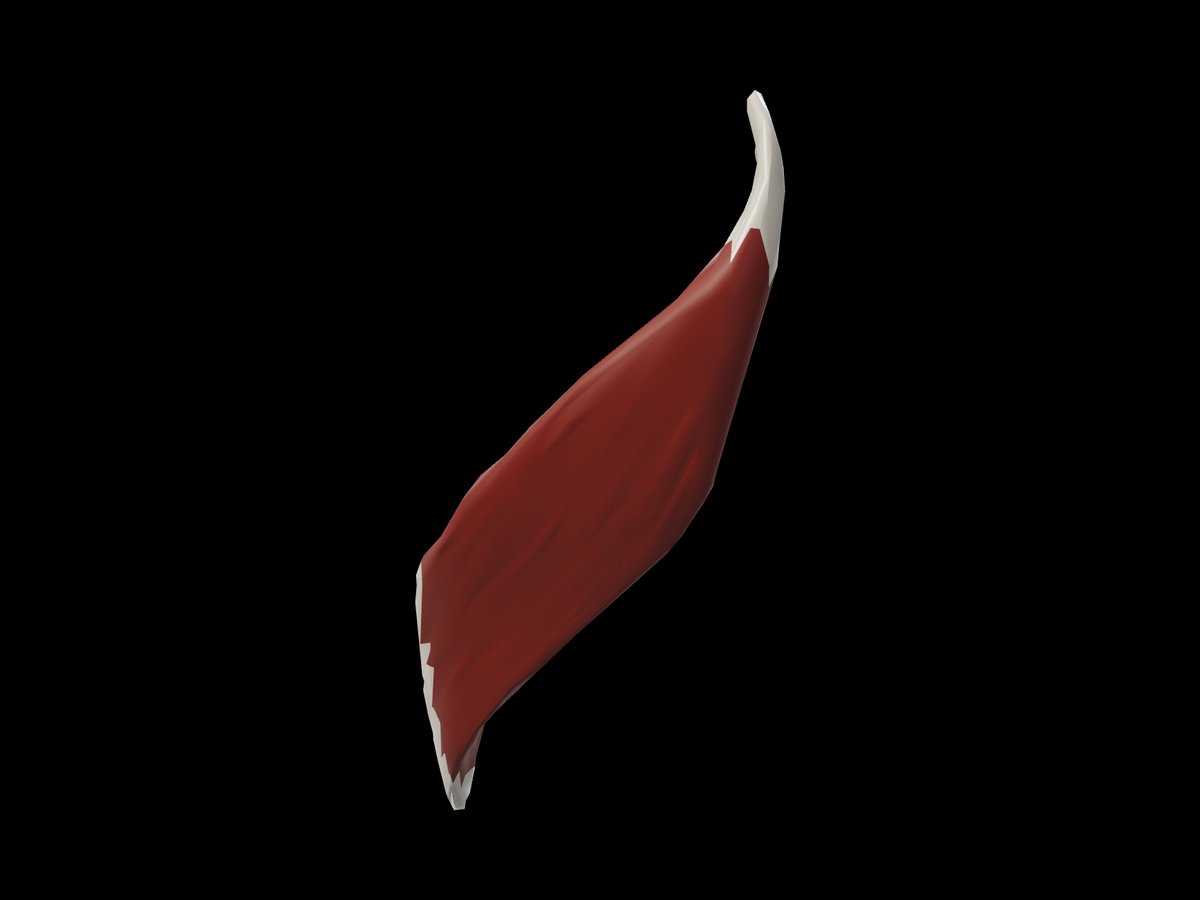
Popliteus is a small, flat muscle deep in the back of the knee. It "unlocks" the fully straightened knee by rotating the femur outwards on the tibia, allowing the knee to start bending.
Other names: Musculus popliteus (Latin) · Muscle poplité (French) · Músculo poplíteo (Spanish, Portuguese)
The same notes are on the main page: Popliteus muscle (Muscles).
Key facts
- Origin
- Lateral surface of the lateral femoral condyle and the lateral meniscus
- Insertion
- Posterior surface of the tibia above the soleal line
- Action
- Unlocks the extended knee by rotating the femur laterally on the tibia; weakly flexes the knee
- Nerve supply
- Tibial nerve (L4–S1)
- Arterial supply
- Inferior medial and lateral genicular arteries
- Function
- Unlocks the extended knee (medial rotation of the tibia or lateral rotation of the femur); pulls the lateral meniscus backwards during flexion.
Location and relations
Floor of the popliteal fossa, from the lateral femoral condyle (inside the joint capsule) to the back of the upper tibia.
Clinical notes
- Popliteus tendinitis causes posterolateral knee pain, especially running downhill
Quick answers
What are the origin and insertion of the popliteus muscle?
Origin: Lateral surface of the lateral femoral condyle and the lateral meniscus. Insertion: Posterior surface of the tibia above the soleal line.
What does the popliteus muscle do?
Unlocks the extended knee by rotating the femur laterally on the tibia; weakly flexes the knee
What is the nerve supply of the popliteus muscle?
Tibial nerve (L4–S1)
What is the blood supply of the popliteus muscle?
Inferior medial and lateral genicular arteries
Where is the popliteus muscle located?
Floor of the popliteal fossa, from the lateral femoral condyle (inside the joint capsule) to the back of the upper tibia.
Notes written for anatmy3d and checked against Gray’s Anatomy, Moore’s Clinically Oriented Anatomy and Netter. Last reviewed .