Genioglossus muscle
Musculus genioglossus
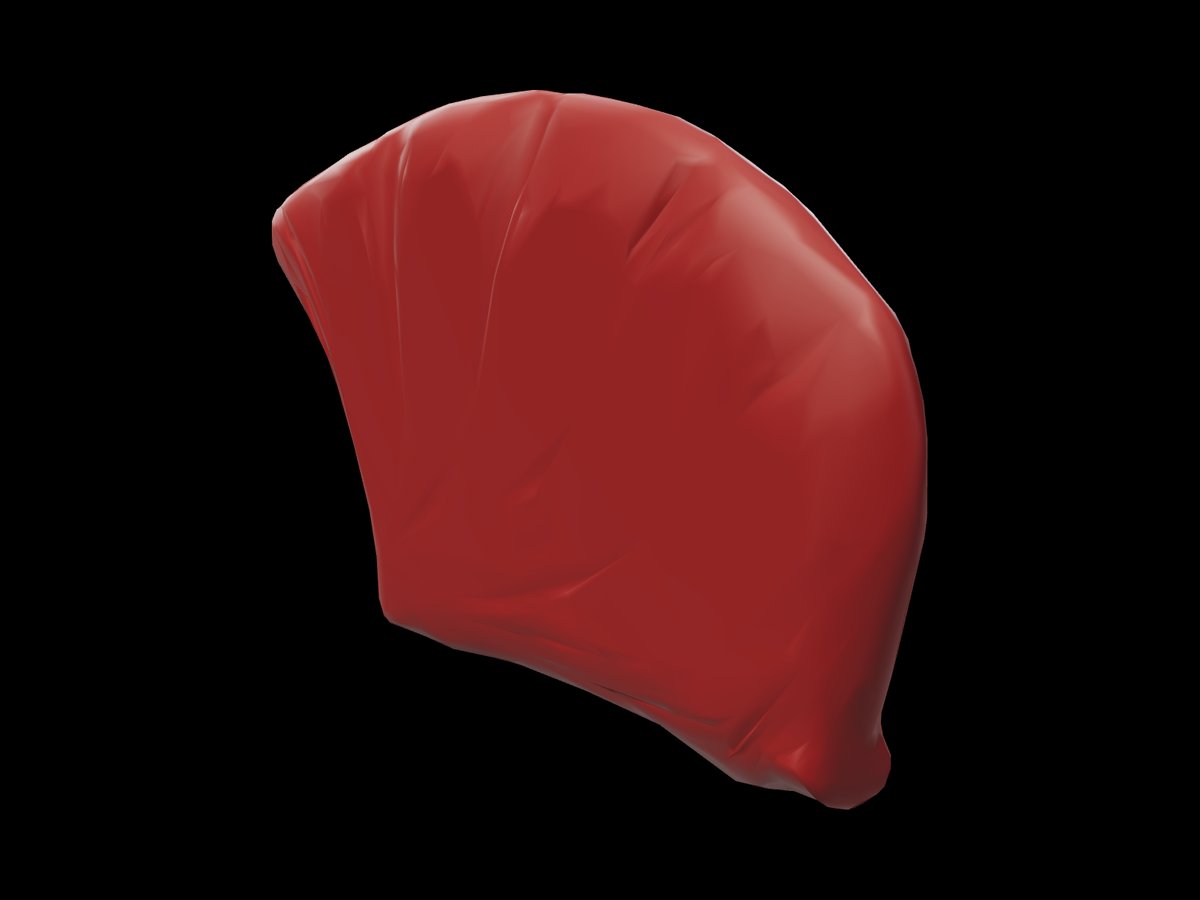
Genioglossus is the fan-shaped muscle that forms most of the bulk of the tongue. It pushes the tongue forwards (sticking it out) and keeps it from falling back against the airway.
Other names: Musculus genioglossus (Latin) · Muscle génioglosse (French) · Músculo geniogloso (Spanish) · Músculo genioglosso (Portuguese)
Key facts
- Origin
- Superior mental spine of the mandible
- Insertion
- Whole dorsum of the tongue; body of the hyoid
- Action
- Protrudes and depresses the tongue; keeps the airway open
- Nerve supply
- Hypoglossal nerve (CN XII)
- Arterial supply
- Sublingual and deep lingual arteries
- Function
- Protrudes the tongue and depresses its centre; holds the airway open.
Location and relations
From the superior mental spine inside the chin to the whole length of the tongue and the hyoid bone.
Clinical notes
- Hypoglossal nerve injury: the tongue deviates towards the weak side when stuck out, because the healthy genioglossus pushes it across
- Loss of tone during sleep or anaesthesia lets the tongue fall back, obstructing the airway (relieved by jaw thrust)
Quick answers
What are the origin and insertion of the genioglossus muscle?
Origin: Superior mental spine of the mandible. Insertion: Whole dorsum of the tongue; body of the hyoid.
What does the genioglossus muscle do?
Protrudes and depresses the tongue; keeps the airway open
What is the nerve supply of the genioglossus muscle?
Hypoglossal nerve (CN XII)
What is the blood supply of the genioglossus muscle?
Sublingual and deep lingual arteries
Where is the genioglossus muscle located?
From the superior mental spine inside the chin to the whole length of the tongue and the hyoid bone.
Notes written for anatmy3d and checked against Gray’s Anatomy, Moore’s Clinically Oriented Anatomy and Netter. Last reviewed .