Hyoglossus muscle
Musculus hyoglossus
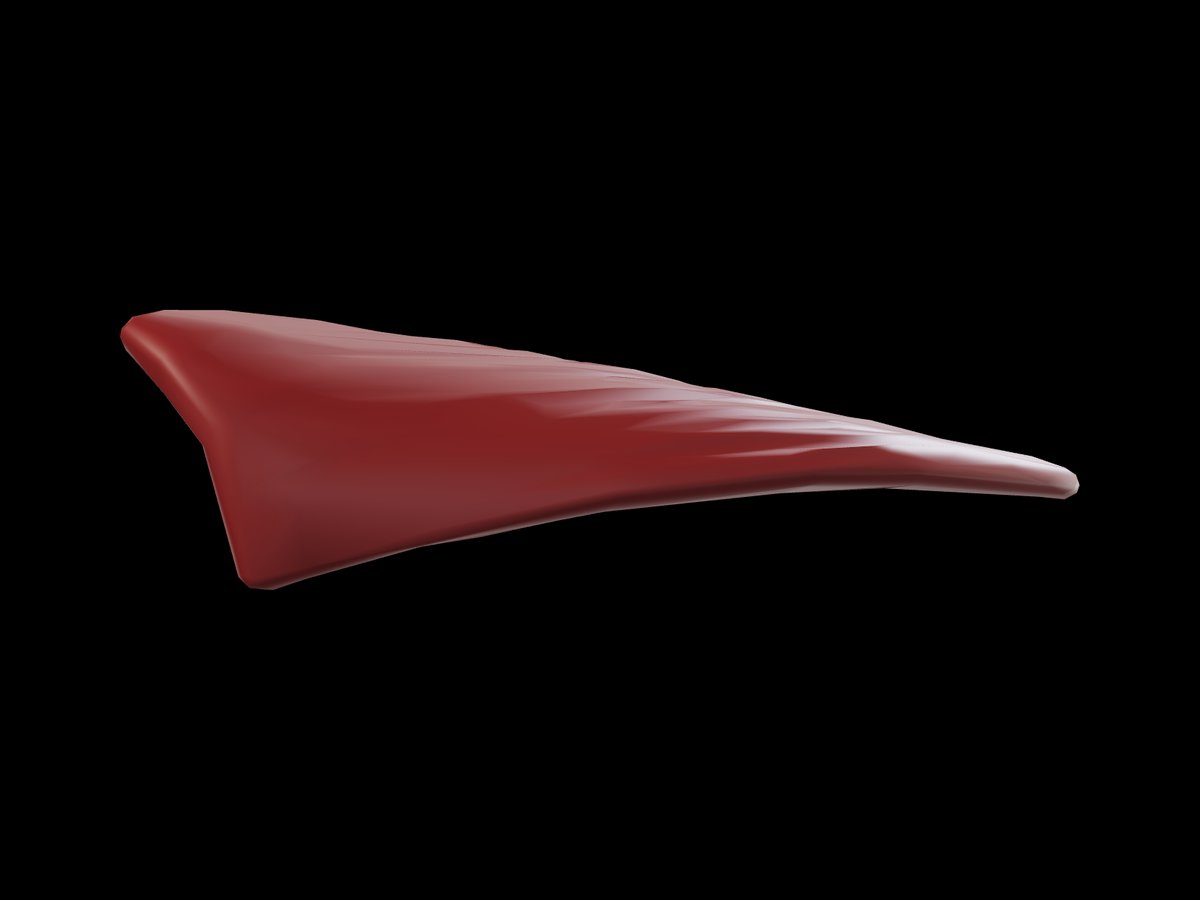
Hyoglossus is a flat, quadrilateral muscle running from the hyoid bone up into the side of the tongue. It pulls the sides of the tongue down.
Other names: Musculus hyoglossus (Latin) · Muscle hyoglosse (French) · Músculo hiogloso (Spanish) · Músculo hioglosso (Portuguese)
Key facts
- Origin
- Body and greater horn of the hyoid bone
- Insertion
- Side and underside of the tongue
- Action
- Depresses and retracts the tongue
- Nerve supply
- Hypoglossal nerve (CN XII)
- Arterial supply
- Sublingual and submental arteries
- Function
- Depresses and retracts the tongue.
Location and relations
Side of the tongue, deep in the floor of the mouth; the hypoglossal nerve and submandibular duct cross its outer surface and the lingual artery runs deep to it.
Clinical notes
- An important landmark in surgery of the submandibular region, separating the hypoglossal nerve (outside) from the lingual artery (inside)
Quick answers
What are the origin and insertion of the hyoglossus muscle?
Origin: Body and greater horn of the hyoid bone. Insertion: Side and underside of the tongue.
What does the hyoglossus muscle do?
Depresses and retracts the tongue
What is the nerve supply of the hyoglossus muscle?
Hypoglossal nerve (CN XII)
What is the blood supply of the hyoglossus muscle?
Sublingual and submental arteries
Where is the hyoglossus muscle located?
Side of the tongue, deep in the floor of the mouth; the hypoglossal nerve and submandibular duct cross its outer surface and the lingual artery runs deep to it.
Notes written for anatmy3d and checked against Gray’s Anatomy, Moore’s Clinically Oriented Anatomy and Netter. Last reviewed .